
Perpignan, capital of Pyrénées-Orientales
Perpignan is a city in southern France near the Spanish border. It is the prefecture of Pyrénées-Orientales, historically linked to Catalonia and formerly capital of the Kingdom of Majorca.
Overview
Perpignan (Perpinyà in Catalan) is a city in the far south of metropolitan France, located close to the Mediterranean coast and the border with Spain. It serves as the administrative center of the Pyrénées-Orientales department and functions as a commune with urban, cultural and commercial roles in the region. Its identity combines French administrative structures with a long Catalan cultural tradition; the city is often presented in local materials as a meeting point between these influences (France). Perpignan has rail and road links that connect it to regional hubs and neighboring Catalonia.
Image gallery
10 Images




Characteristics and landmarks
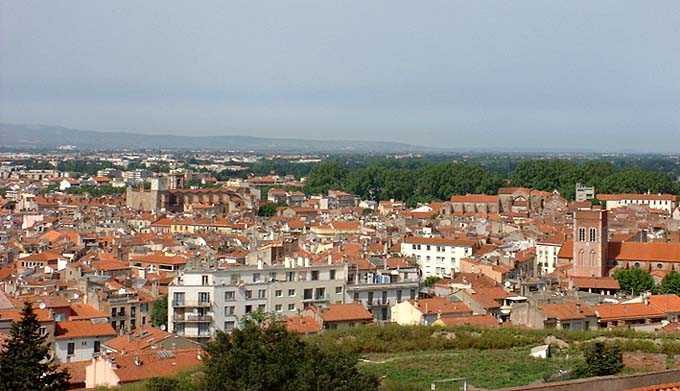
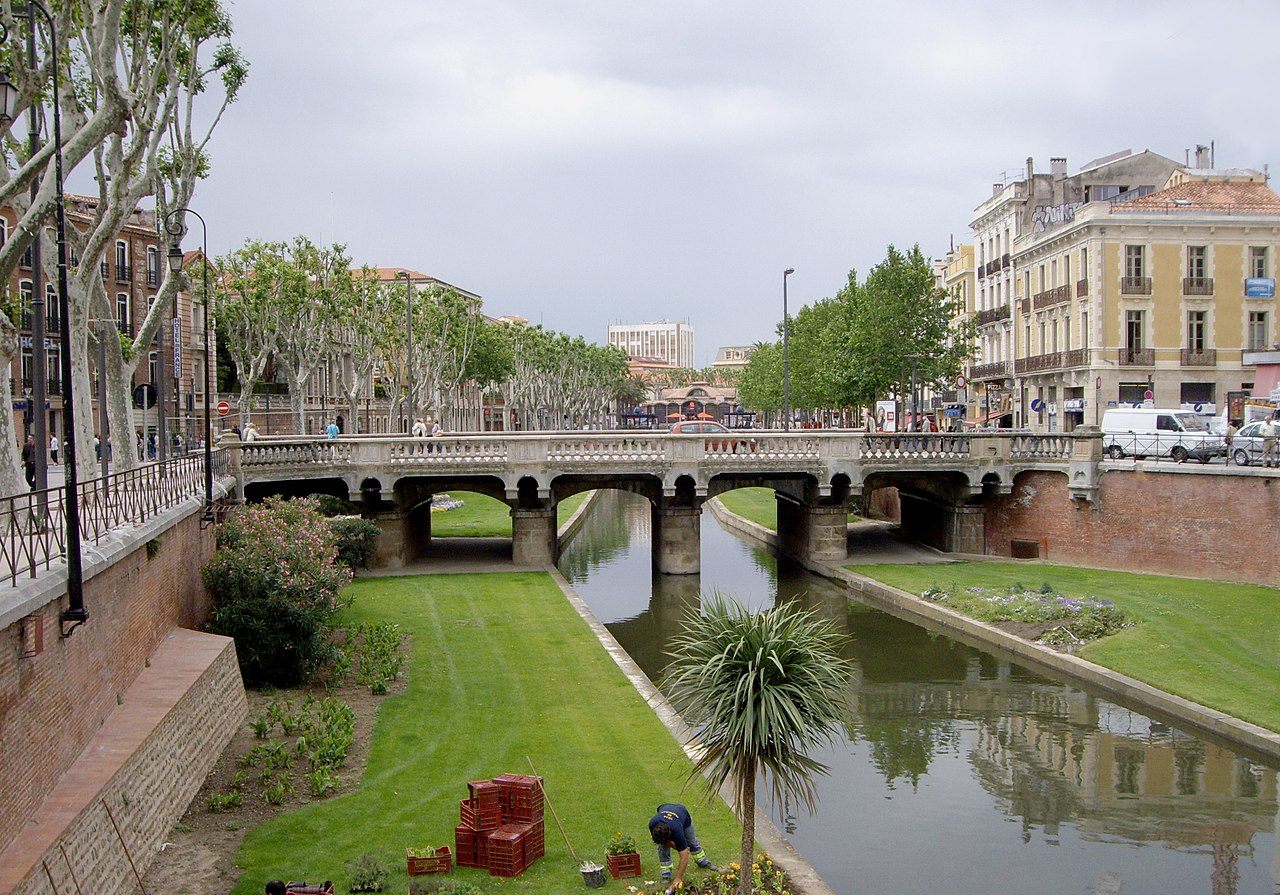
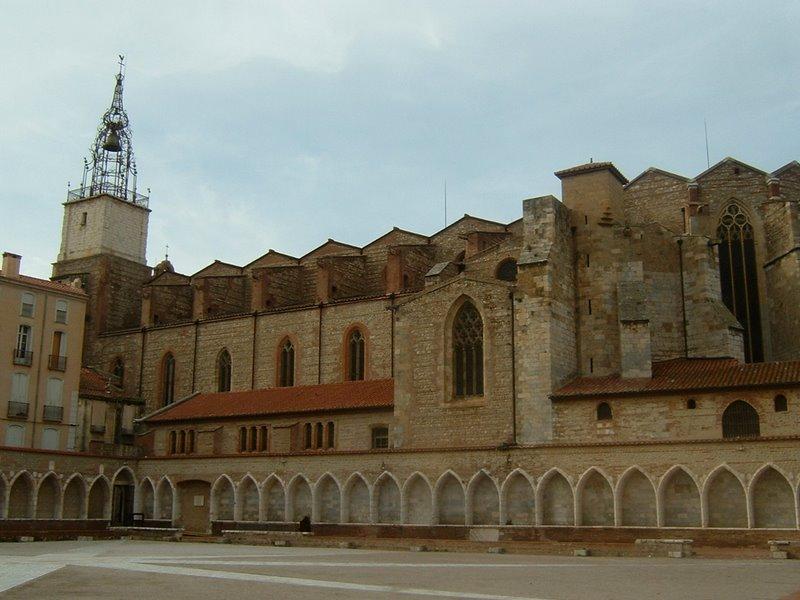
The urban fabric mixes medieval streets, 19th-century boulevards and modern districts. Important historical landmarks include the Palace of the Kings of Majorca, the Gothic Cathedral of Saint-Jean, the Castillet (an old town gate and symbol of the city) and the Campo Santo cloister. Civic institutions and museums display the area's Catalan heritage and local art. Perpignan operates as both a local cultural center and the seat of departmental government (prefecture).
History and development
Perpignan grew around medieval fortifications and became prominent in the Middle Ages. From the 13th to the 14th centuries it was the continental capital of the Kingdom of Majorca, a period that left architectural and urban traces. Later centuries brought shifts in sovereignty and administrative status as modern nation-states took shape. The city was historically part of the province and county of Roussillon (Roussillon / Rosselló in Catalan), an area with a distinct linguistic and cultural profile.
Culture, designation and civic life
Perpignan's public life emphasizes its artistic and historic patrimony. Since 2001 it has been officially recognized as a Ville d'Art et d'Histoire by the national Ministry responsible for cultural policy, a label that highlights conservation and educational projects supported by the Cultural administration and the Communication services. Festivals, markets and culinary traditions reflect Mediterranean and Catalan influences; local gastronomy features dishes and products shared across the eastern Pyrenean zone.
Economy and transport
The local economy combines public administration, services, tourism and some light industry. Perpignan functions as a transport hub for the department with regional train services, road connections to the A9 motorway corridor and links toward Barcelona. Tourism is oriented both toward cultural heritage within the city and coastal leisure in nearby resorts.
Notable facts and distinctions
- The city's bilingual heritage is visible in place names, festivals and signage (Catalan and French cultural references).
- Its medieval and Majorcan-era monuments attract scholarly interest and visitors.
- Perpignan is the administrative capital of Pyrénées-Orientales and retains a regional role connecting southern France with Catalonia (urban center).
For further reading on local history, administration and cultural programs consult municipal guides, regional heritage inventories and cultural portals that catalogue monuments, events and preservation projects (commune resources). Additional cultural background and tourism information is available through regional networks and tourism offices linked to the Catalan and Mediterranean context (national and regional references).
Questions and answers
Q: Where is Perpignan located?
A: Perpignan is located in the south of France.
Q: What is Perpignan?
A: Perpignan is a city and commune.
Q: What is the capital of the Pyrénées-Orientales department?
A: The capital of the Pyrénées-Orientales department is Perpignan.
Q: What was Perpignan the capital of in the past?
A: Perpignan was the capital of the old province and county of Roussillon and continental capital of the Kingdom of Majorca in the 13th and 14th centuries.
Q: When was Perpignan named as a City of Art and History?
A: Perpignan was named as a City of Art and History by the French Ministry of Culture and Communication in 2001.
Q: What is the Catalan name of Perpignan?
A: The Catalan name of Perpignan is Perpinyà.
Q: Which kingdom was Perpignan the capital of in the 13th and 14th centuries?
A: Perpignan was the continental capital of the Kingdom of Majorca in the 13th and 14th centuries.
Related articles
Author
AlegsaOnline.com Perpignan, capital of Pyrénées-Orientales Leandro Alegsa
URL: https://en.alegsaonline.com/art/75896
Sources
- vpah.culture.fr : "Villes et Pays d'art et d'histoire"
- perpignantourisme.com : "History of Perpignan"
- publicacions.iec.cat : Nomenclàtor toponímic de la Catalunya del Nord
- pyreneescatalanes.free.fr : "Histoire du Roussillon - Chronologie des évènements historiques"
- pyreneescatalanes.free.fr : "Blason de Perpignan"
- map-france.com : "Perpignan"
- weatherbase.com : "Perpignan, France - Köppen Climate Classification"
- insee.fr : "Régions, départements, arrondissements, cantons et communes"
- insee.fr : "Aire urbaine de Perpignan (031)"
- insee.fr : "Unité urbaine de Perpignan (66601)"