
Period instruments
Musical instruments built, restored or reproduced to historical designs, materials and tunings so earlier repertoire can be heard closer to its original sound and context.
Period instruments are musical instruments constructed, restored or reproduced according to historical designs, materials and setup so that music from earlier eras can be heard in a sound world closer to that intended by composers of the time. The term is used in connection with historically informed performance, instrument making, scholarship and practical restoration. For general typologies and definitions see instruments.
Image gallery
5 Images

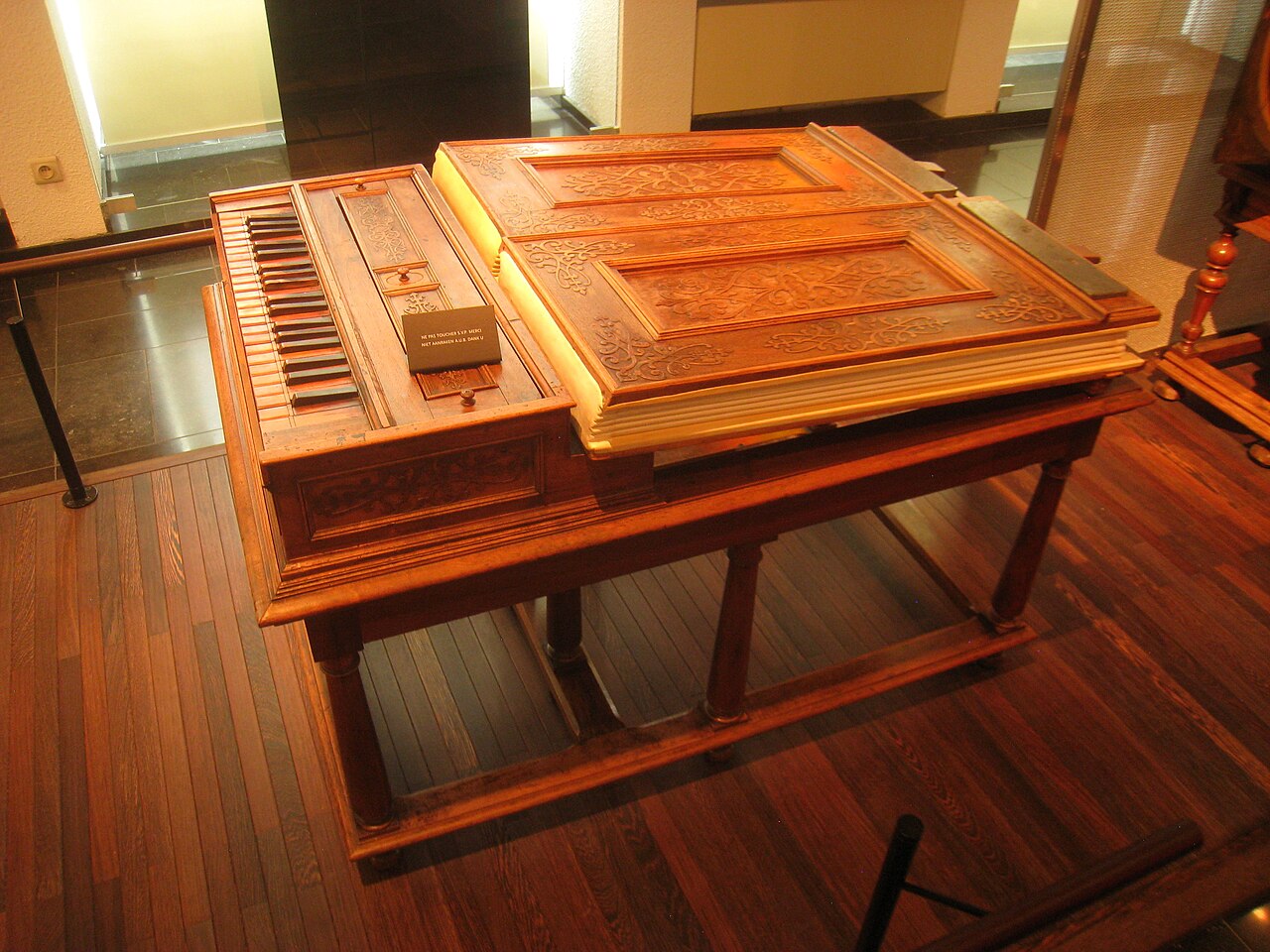


Key characteristics
Instruments described as period typically differ from modern counterparts in construction, materials, mechanical details and tuning. These differences affect tone, response, dynamic range and projection. Typical characteristics include:
- Use of historic materials such as gut or silk strings, wooden bores for wind instruments, and historically treated soundboards rather than modern alloys or composite materials.
- Alternative mechanical features: fewer or simpler keys on wind instruments, natural trumpets without valves, and historical action on keyboard instruments.
- Different setup and geometry: shallower bridges and neck angles on string instruments, baroque bows rather than modern Tourte-style bows, and lighter case and plate designs on keyboard predecessors.
- Historical pitch and temperament: lower or regionally variable pitch standards and unequal temperaments that influence ensemble balance and harmonic color.
Historical development
From the later 18th century into the 19th and 20th centuries many instruments were adapted to meet the demands of larger concert halls and expanding orchestral forces. By the mid-20th century a revival of interest in early repertoires led performers and scholars to re-examine historical treatises, surviving instruments and period sources. This movement sought to recover how composers such as Johann Sebastian Bach and their contemporaries expected instruments to sound and how ensembles were balanced. Research into early music practices stimulated renewed instrument making and the formation of specialist groups.
Common period instruments and ensembles
Many modern instrument families have period counterparts, and specialist ensembles range from soloists and chamber groups to full period orchestras and choirs. Common examples include:
- Baroque violin, viola and cello with gut strings and baroque bows
- Viola da gamba and other bowed instruments that became rare after the 18th century
- Natural trumpet, sackbut (early trombone) and horns without modern valves
- Wooden transverse flutes, recorders and historical clarinets
- Harpsichord, clavichord and fortepiano as predecessors of the modern piano
Specialist groups and modern orchestras perform using these instruments, while conservatories and workshops train makers and players in traditional techniques.
Performance practice, tuning and interpretation
Playing period instruments often requires study of historical articulation, ornamentation, phrasing and phrasing conventions. Ensembles make deliberate choices about pitch (for example A=415 Hz for some Baroque repertoire), temperament and ensemble size to match surviving sources. Research in historical performance studies and editions of primary treatises inform performance decisions. Some modern composers write for period instruments or for combinations of period and modern instruments, extending their practical use beyond strictly historical repertoire.
Restoration, making and resources
Period instruments are distinct from museum exhibits: many are playable reconstructions guided by historical scholarship and specialist craftsmanship. Restoration aims to preserve original material where possible and to recreate missing features using historically appropriate methods. Workshops, maker networks and instrument collections provide practical and documentary resources. Practical guidance and directories of makers, ensembles and libraries can be consulted through specialist portals and guides such as research portals and introductory composer and technique materials.
Questions and answers
Q: What are period instruments?
A: Period instruments are musical instruments which have been made in the same way they were made hundreds of years ago, so that earlier music will sound like it did when it was first composed.
Q: How have musical instruments changed over time?
A: Musical instruments have changed a lot during the last few centuries. Instrument makers have made changes to them, often giving the instruments a bigger sound so that they could be heard well in large concert halls. Orchestras also have increased in size.
Q: Why do people want to hear what music sounded like back in the 17th and early 18th centuries?
A: During the 20th century musicians started to realize that the way we play the music of Bach and other composers was making the music sound different from how it would have been first heard. People became interested in hearing what this music would have sounded like back in these earlier periods (the Baroque period).
Q: What happened to many of the old instruments?
A: Many of the old instruments had survived but had been “modernized”, meaning they had been altered from their original form.
Q: What did instrument makers start doing as a result?
A: As a result, instrument makers started to make new versions of these older instruments using traditional methods and materials, so that they were like those used during earlier periods.
Q: How are these new versions of older musical instruments referred to?
A: These new versions of older musicals are often referred to as "period instruments" (or "authentic Instruments" or "historical Instruments").
Q: Who plays period Instruments?
A: Some musicians and orchestras started playing these period Instruments so that they could recreate how certain pieces of music would originally have sounded.
Related articles
Author
AlegsaOnline.com Period instruments Leandro Alegsa
URL: https://en.alegsaonline.com/art/75822