
Acrobatics: physical discipline, performance and sport
Acrobatics is a physical art and athletic practice emphasizing balance, agility and control. It appears in ancient cultures and today spans circus performance, competitive sport, dance and stunt work.
Overview
Acrobatics is a physical discipline and performing art that emphasizes balance, flexibility, agility and precise control of the body. Practiced as entertainment, a competitive sport, and a training method for dance, theatre and stunt work, acrobatics blends strength with coordination and mental focus. A performer of these skills is commonly called an acrobat.
Image gallery
10 Images




Characteristics
Acrobatic skills require a mix of athletic and technical qualities. Common attributes are:
- Balance — maintaining steady control of the body’s center of gravity (balance).
- Agility and quick movement transitions.
- Flexibility to achieve extreme positions safely.
- Coordination, timing and concentration.
- Partner skills such as lifts, catches and synchronized movement.
History and origins
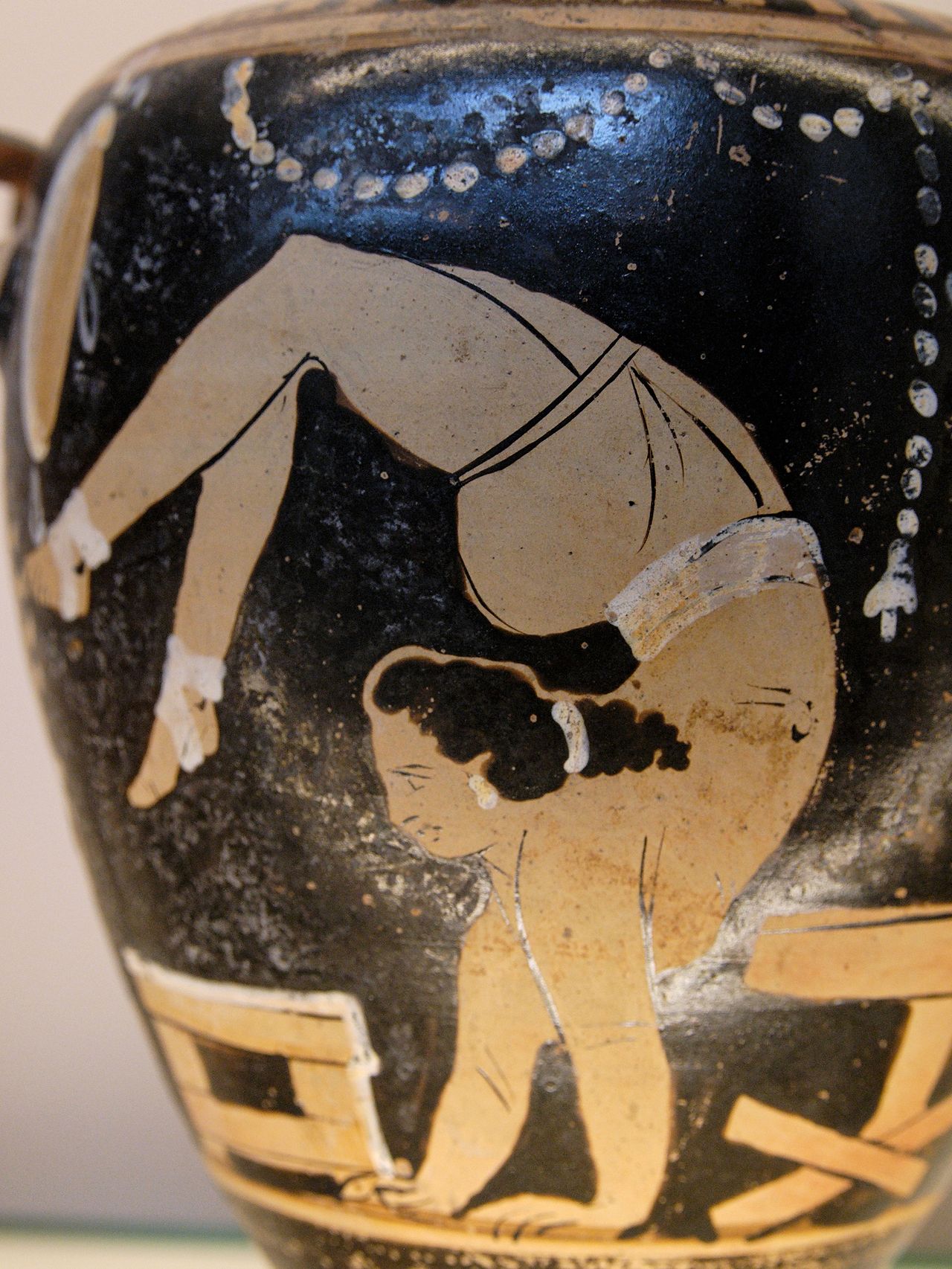
Elements of acrobatics appear across ancient civilizations. Performers and tumblers are attested in ancient Egypt, theatrical and athletic displays in ancient Greece and ancient Rome, and long-standing acrobatic traditions exist in China. The modern public spectacle emerged when acrobatic acts became staples of circuses in 19th-century Europe, and during the 20th century many acrobatic forms were codified for competitive practice.
Forms, disciplines and contexts
Acrobatics appears in many forms: floor tumbling, hand balancing, contortion, partner and group acrobatics, and aerial work such as trapeze, silks and straps. It overlaps with gymnastics, circus arts and contemporary dance; when structured for competition it is organized as a formal sport with rules and scoring.
Training, safety and applications
Training emphasizes progressive skill-building, strength conditioning, flexibility and safe progressions under supervision. Safety measures include spotting, mats and certified rigging for aerial acts. Beyond stage shows, acrobatic skills are applied in film stunts, circus production, physical theatre, cheerleading and fitness programs.
Notable distinctions
Acrobatics is distinct from dance in its focus on physically demanding feats and from competitive gymnastics in its emphasis on theatrical presentation in many contexts. Practitioners may perform solo, in pairs or in ensembles and combine technical difficulty with artistic expression.
Questions and answers
Q: What is acrobatics?
A: Acrobatics is a kind of physical exercise, performing art, and sport that requires balance, agility, flexibility, control, concentration, and motor coordination.
Q: What is a person who performs acrobatics called?
A: A person who performs acrobatics is called an acrobat.
Q: Where were acrobatic skills known in ancient times?
A: Acrobatic skills were known in ancient Egypt, Greece, Rome, and China.
Q: In what century did acrobatic performance become popular in circuses of Europe?
A: In the 19th century, acrobatic performance became popular in circuses of Europe.
Q: What happened to acrobatics in the 20th century?
A: In the 20th century, acrobatics became an organized sport with leagues and championships.
Q: What are the requirements for acrobatics?
A: The requirements for acrobatics are extraordinary balance, agility, flexibility, control, concentration, and motor coordination.
Q: What is the Latin origin of the word acrobatics?
A: The Latin origin of the word acrobatics is akrobateō, which means to climb upward.
Related articles
Author
AlegsaOnline.com Acrobatics: physical discipline, performance and sport Leandro Alegsa
URL: https://en.alegsaonline.com/art/758