
Per-Bast (Bubastis): the House of the Cat-Goddess Bast
Per-Bast, known in Greek as Bubastis, was an ancient Egyptian city in the Nile Delta and the principal cult center of the cat-goddess Bast; its temple and festivals made it a major religious site in Lower Egypt.
Overview
Per-Bast was an ancient Egyptian city best known as the principal sanctuary of the goddess Bast. Its Egyptian name literally means "house of Bast," reflecting the town's role as the heart of the cult devoted to that deity. Bast is typically represented as a cat or as a woman with a cat's head and is often described as the protectress of Ra.
Image gallery
6 Images



Location and name
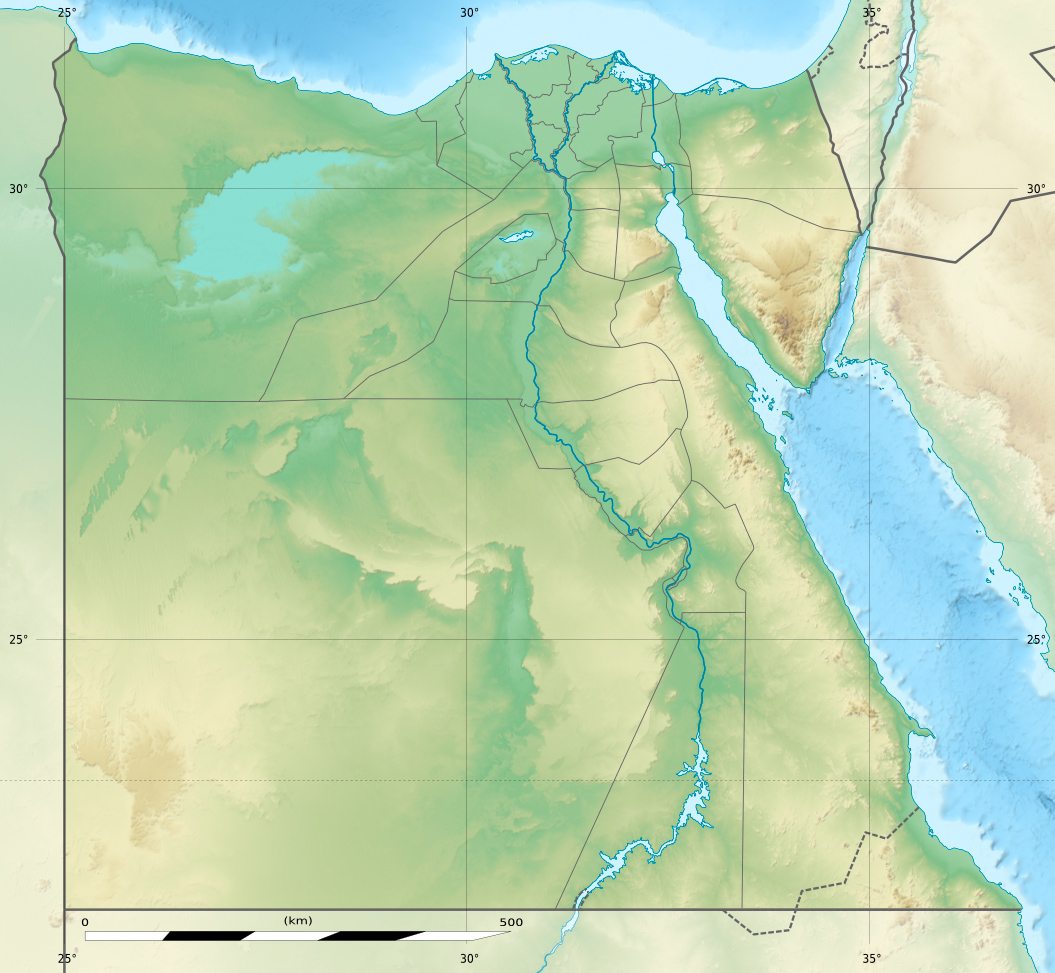
The site lay in the eastern Nile Delta, an agriculturally rich and densely inhabited region of Lower Egypt. Archaeologists identify its remains with the modern mound at Tell Basta. As the capital of the nome called Am-Khent, Per-Bast occupied an important local administrative and religious position in Lower Egypt and within the riverine network of the Nile Delta.
Religious significance
Per-Bast served as the main center for worship of Bast, a feline deity associated with protection, home and fertility. Textual and material evidence indicate the town housed a major temple complex where priests performed rituals, maintained cult images, and organized public festivals. The cult of Bast linked the goddess both to domestic care—hence the prominence of cats—and to wider protective functions tied to the sun god.
History and archaeology
Classical writers recorded the fame of Per-Bast's festivals; later archaeological work at Tell Basta has uncovered temple foundations, shrines and burial deposits. Excavations have revealed remains that point to a lively cult life, including caches of votive offerings and large numbers of animal burials connected with Bast's worship. Scholars continue to study the site to trace its development from earlier periods through later phases of Egyptian history.
Features and legacy
- Central temple precinct dedicated to Bast and attendant priestly institutions.
- Evidence of animal cult practice and mummified animals associated with worship.
- Importance as a nome capital and a focal point for regional pilgrimage and festivals.
Known to the Greeks as Bubastis, Per-Bast remains an instructive example of how specific towns in ancient Egypt combined administrative, economic and religious roles. Its archaeological remains and long-standing place in Egyptian religion have made it a subject of continuing interest for historians and archaeologists alike.
Per-Bast and the cult of Bast illustrate the intertwining of place, deity and community in ancient Egypt; the site also appears in wider studies of the cult practices of the Nile valley and the relationship between animal symbolism and Egyptian religion.
Questions and answers
Q: What is Per-Bast?
A: Per-Bast is an ancient city located in the Nile Delta of Lower Egypt.
Q: What is the significance of Per-Bast?
A: Per-Bast is the center of the cult of Bast, an ancient Egyptian cat-goddess who is the protectress of Ra.
Q: What does the name Per-Bast mean?
A: The name Per-Bast means "house of Bast" in ancient Egyptian.
Q: In which nome did Per-Bast serve as the capital?
A: Per-Bast served as the capital of the 18th nome in Lower Egypt, known as Am-Khent.
Q: Who was Bast?
A: Bast is an ancient Egyptian cat-goddess who is the protectress of Ra.
Q: Why is Bast important in ancient Egyptian mythology?
A: Bast was a highly revered goddess in ancient Egyptian mythology as she was associated with fertility, motherhood, and protection.
Q: Where is Per-Bast located?
A: Per-Bast is located in the Nile Delta of Lower Egypt.
Related articles
Author
AlegsaOnline.com Per-Bast (Bubastis): the House of the Cat-Goddess Bast Leandro Alegsa
URL: https://en.alegsaonline.com/art/75726