
Peoria, Arizona
Peoria, Arizona, is a suburban city northwest of Phoenix, mainly in Maricopa County with a northern portion in Yavapai County. Founded by settlers from Illinois, it is governed by an elected mayor–council.

Overview
Peoria is a city located primarily in Maricopa County with a northern section extending into Yavapai County. It lies in the U.S. state of Arizona and functions as a principal suburb of the metropolitan area around Phoenix. As a residential and commercial community, Peoria grew during the 20th century and, according to the 2010 United States Census, had a population of about 154,000, making it one of the larger cities in the state. The city is commonly referred to as a suburb of Phoenix, reflecting its role in the region's commuting, retail, and service patterns.
Image gallery
5 Images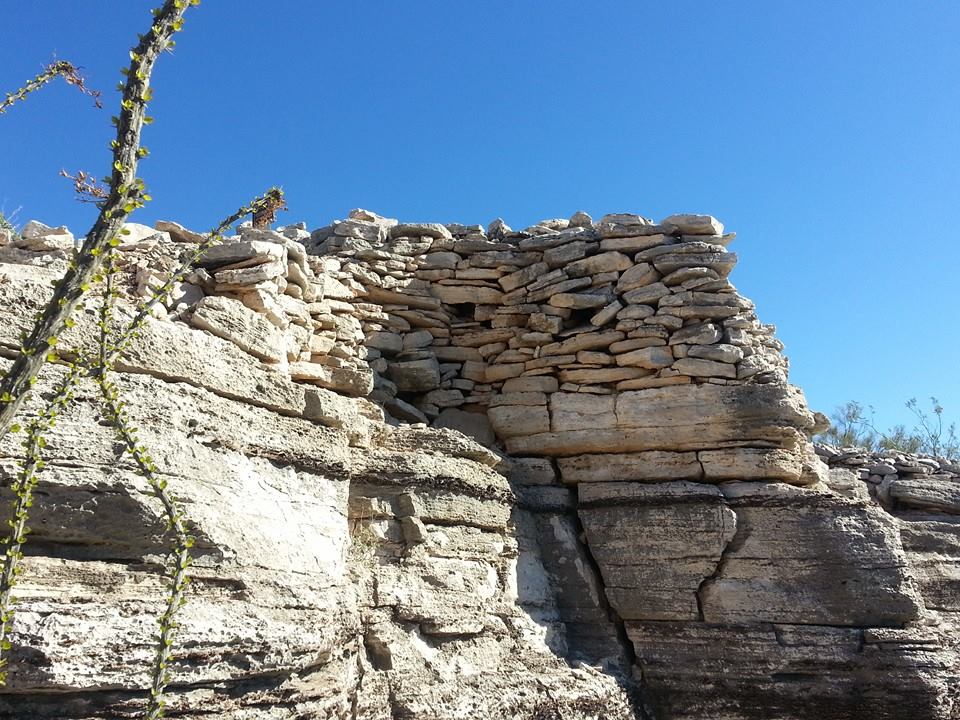




History and origins
The name "Peoria" reflects the background of many early inhabitants who came from Peoria, Illinois. Settlement in the area took place in the late 19th and early 20th centuries as agricultural and ranching activities attracted families and entrepreneurs. Local histories note the influence of those early settlers in shaping the city's street layout, community institutions and place names, while later decades brought suburban development linked to Phoenix's growth.
Government and municipal structure
Peoria operates under a mayor–council form of municipal government. Residents elect a mayor and a multi-member council to set policy, approve budgets and oversee municipal services; most municipal leaders are elected at large or by district depending on local rules. The city government administers land use planning, public safety, parks and recreation, and infrastructure projects that support a steadily expanding population.
Economy, recreation and community life
As part of the Phoenix metropolitan area, Peoria's economy blends retail, professional services, light industry and tourism tied to outdoor recreation. The city maintains parks, trails and facilities for sports and cultural events; notable recreational attractions and community venues help draw visitors from the region. Growth has prompted the development of neighborhood centers, schools and transportation links that connect residents to employment centers in the valley.
Notable features
- Historic commercial districts and civic buildings that reflect the city’s early development.
- Public parks, trail networks and sports complexes that serve residents and regional visitors.
- A municipal government focused on planning and services for a suburban population.

For official information, planning documents and community resources, consult municipal sources and regional planning agencies linked from the city's information pages and local archives.
Questions and answers
Q: Where is Peoria located?
A: Peoria is located in the US state of Arizona, primarily in Maricopa County with a small portion extending into Yavapai County.
Q: What city does Peoria serve as a suburb for?
A: Peoria serves as a major suburb of Phoenix.
Q: How many people lived in the city according to the 2010 United States Census?
A: According to the 2010 United States Census, 154,065 people lived in the city.
Q: How large is Peoria compared to other cities in Arizona?
A: Peoria is the ninth largest city in Arizona.
Q: What type of government does Peoria have?
A: Peoria has a Mayor–council government; a mayor and six councilmen who are all elected.
Q: Why was it named after its namesake from Illinois?
A: It was named for Peoria, Illinois because that is where many of the early settlers came from.
Related articles
Author
AlegsaOnline.com Peoria, Arizona Leandro Alegsa
URL: https://en.alegsaonline.com/art/75687
Sources
- citytowninfo.com : "Peoria, Arizona"
- censusviewer.com : "Peoria Arizona Population"
- raregoldnuggets.com : "Early Days in Wickenburg and the Vulture Gold Mine"
- peoriaaz.gov : "A Brief Look at Peoria Through the Years"