
Penthouse (top-floor apartment and rooftop structure)
A penthouse is a dwelling or structure located on a building's highest level. It commonly denotes a luxury apartment set back from the roofline but may also refer to mechanical or commercial roof structures.
Overview
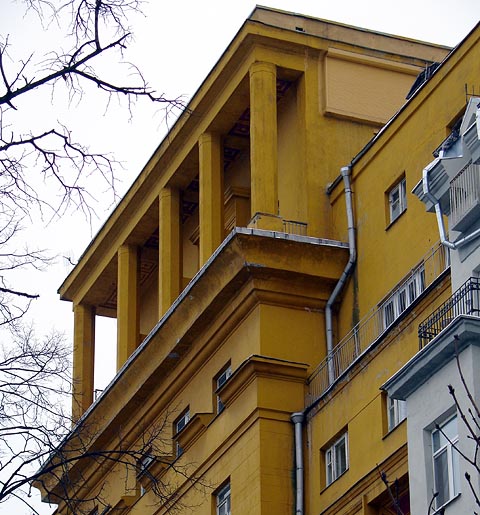
A penthouse is most commonly understood as a residential unit located on the highest floor of a building. In everyday use it refers to an apartment or suite that occupies part of a building's top story and often benefits from superior views, outdoor terraces and elevated privacy. The term can describe units within a conventional apartment or purpose-built roof structures set above the highest floor of an apartment building, sometimes occupying a portion of the roof.
Image gallery
10 Images




Design and typical features
Penthouses tend to emphasize spacious layouts and premium finishes. Common characteristics include higher ceilings, larger glazing for panoramic views, private terraces or rooftop gardens, setback floor plans that create outdoor spaces, and often direct or semi-private elevator access. Some penthouses are single-storey units; others are duplex or triplex layouts occupying multiple levels.
- Private outdoor areas and roof terraces
- Luxury interior fittings and bespoke layouts
- Enhanced privacy and reduced shared walls
- Dedicated elevator access or private lobbies
History and terminology
The term originally referred to a small structure with a sloped roof appended to a larger building. The modern sense—referring to a top-floor house or suite—became common in the United States in the early 20th century as tall buildings and skyscrapers reshaped urban skylines. During that period architects and marketers began calling roof-level living spaces a "penthouse." The word's meaning has broadened and sometimes overlaps with roof-level amenities or separate roof structures.
In addition to residential uses, the label is sometimes applied to non-residential rooftop spaces or enclosures.
Uses and variations
While most penthouses are marketed as high-end residences, they can vary widely in size and function. Some are single luxury apartments with expansive terraces; others are smaller setback units sold at premium rates. Office or hospitality buildings may have penthouse suites used for executive offices, private meeting rooms, or exclusive hotel accommodations. The term may also be used for rooftop mechanical enclosures that house elevators, HVAC equipment or service machinery.
For commercial or non-residential examples see dedicated listings and design references such as those that treat commercial space on rooftops.
Regulation, market and notable distinctions
Penthouses often command price premiums in the real estate market because of views, privacy and outdoor space. They are subject to the same building codes and zoning rules as other parts of a structure, and in some jurisdictions special setback, height or floor-area rules affect whether rooftop space can be counted as livable area. Condominium declarations may also define what areas are private penthouse space versus common roof.
- Mechanical penthouse: an enclosed roof structure devoted to equipment rather than habitation.
- Marketing penthouse: not always the literal topmost unit, but a branded premium dwelling.
- Rooftop amenity vs penthouse: rooftop pools, lounges and gardens may accompany, but are distinct from, a private penthouse unit.
Further reading
For historical context and contemporary examples see resources on early 20th-century American architecture and reviews of high-rise residential design. Additional sources discuss the evolution of rooftop structures and how the penthouse concept developed alongside urban growth in the era of America's high-rise building boom and continued skyscrapers development.
Practical guides to buying, designing or converting penthouse spaces often address legal and technical issues, including how a roof-level unit differs from other top-floor apartments and how condominiums treat rooftop ownership and maintenance.
Related topics and technical descriptions include references to rooftop construction, condominium law, and examples in both residential and apartment-style developments; see also municipal zoning guides and developer materials linked to specific projects (highest floor, apartment building, roof, commercial space).
Questions and answers
Q: What is a penthouse?
A: A penthouse is typically an apartment on the highest floor of an apartment building.
Q: How much of the entire roof does a penthouse usually take up?
A: A penthouse usually takes up less than half of the entire (flat) roof of the building.
Q: What did the word “penthouse” originally mean?
A: The word “penthouse” originally meant a small building with a sloped roof.
Q: When did the modern use of the word “penthouse” start in America?
A: The modern use of the word “penthouse” started in the 1920s in America.
Q: In what age were the “houses” on the roofs of skyscrapers called penthouses?
A: In the age of skyscrapers, the “houses” on the roofs were called penthouses.
Q: Can a penthouse also be commercial space?
A: Yes, a penthouse can also be commercial space.
Q: What is the usual location of a penthouse in an apartment building?
A: A penthouse is usually located on the highest floor of an apartment building.
Related articles
Author
AlegsaOnline.com Penthouse (top-floor apartment and rooftop structure) Leandro Alegsa
URL: https://en.alegsaonline.com/art/75647
Sources
- commons.wikimedia.org : Penthouses