
Peak oil: concept, history, and implications
Peak oil is the point of maximum production of crude oil for a well, region, or the world. This article explains the concept, history, drivers, consequences, and modern debates around supply and demand.
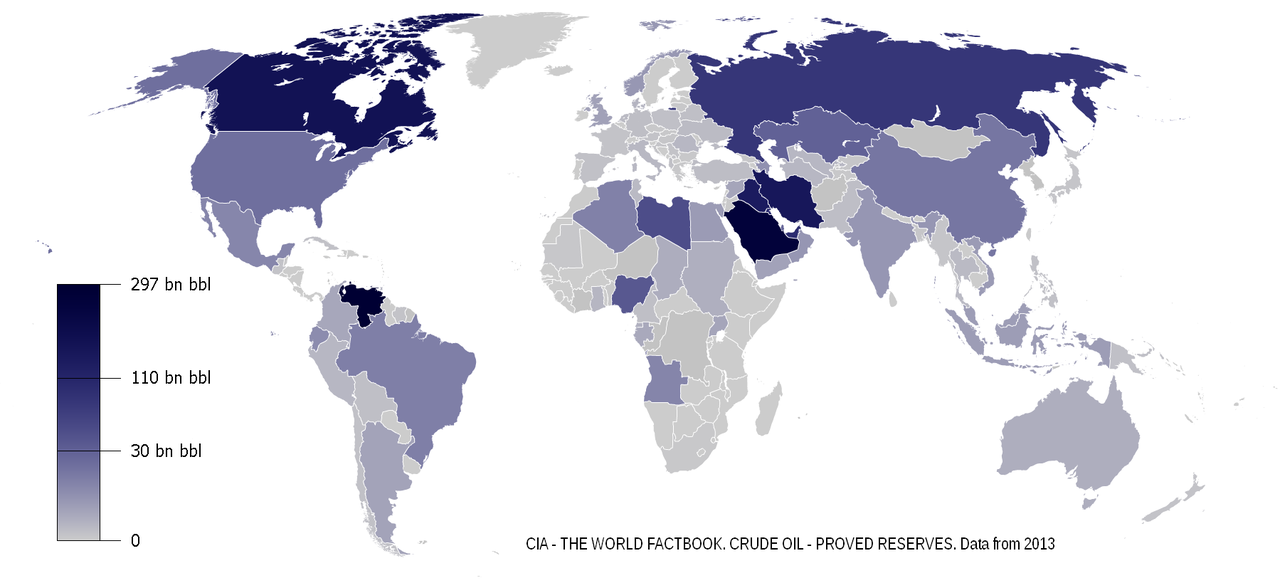
Peak oil is the idea that oil production from a given source — whether an individual oil well, an oil field, a country such as the United States, or the entire planet — will reach a highest possible rate and then enter an irreversible decline. The term is used to describe a geological and production phenomenon rather than a sudden disappearance of oil. When production peaks, available supply tends to tighten and prices, investment patterns, and consumption habits may all change.
Image gallery
10 Images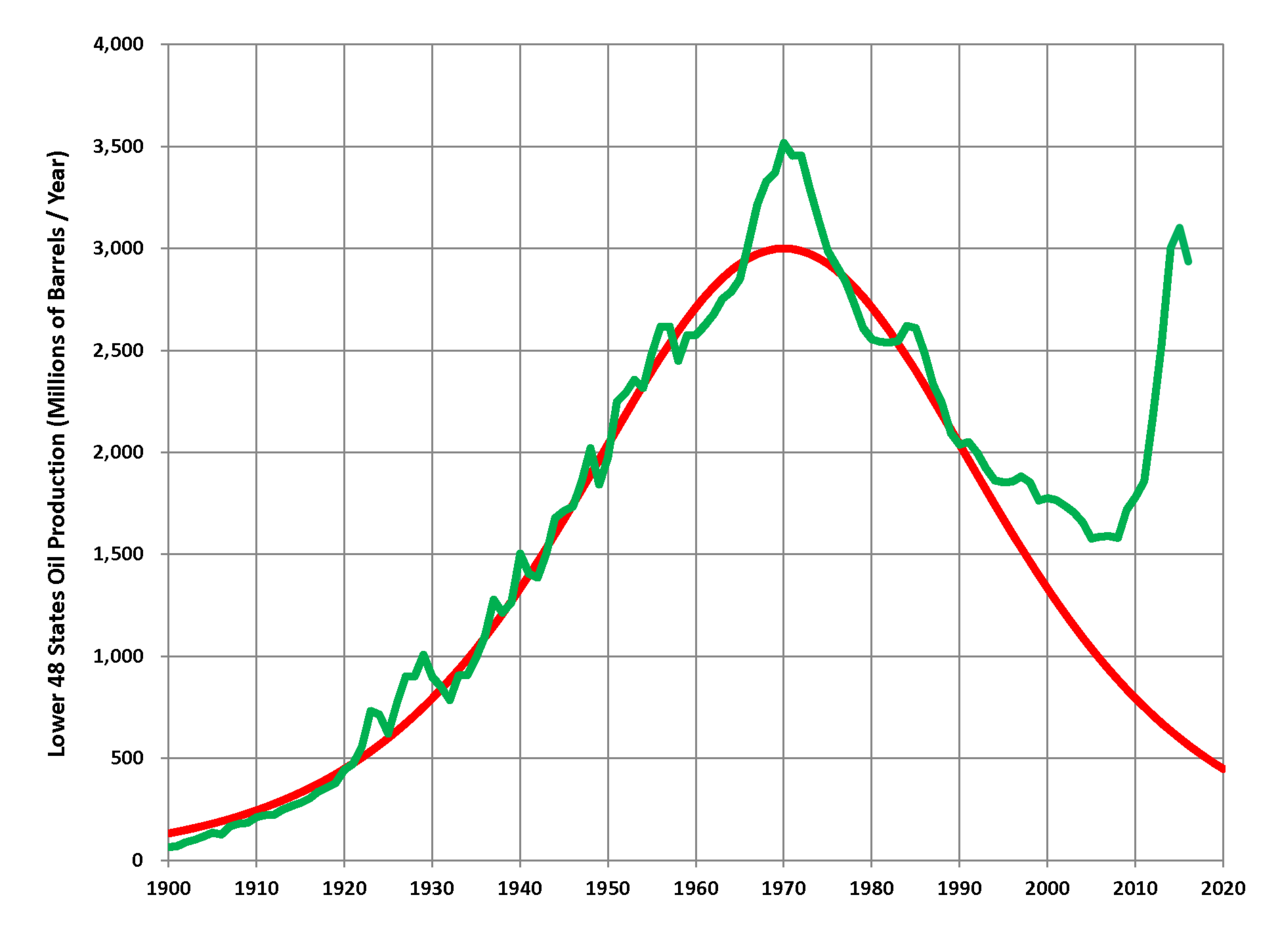






How the concept works
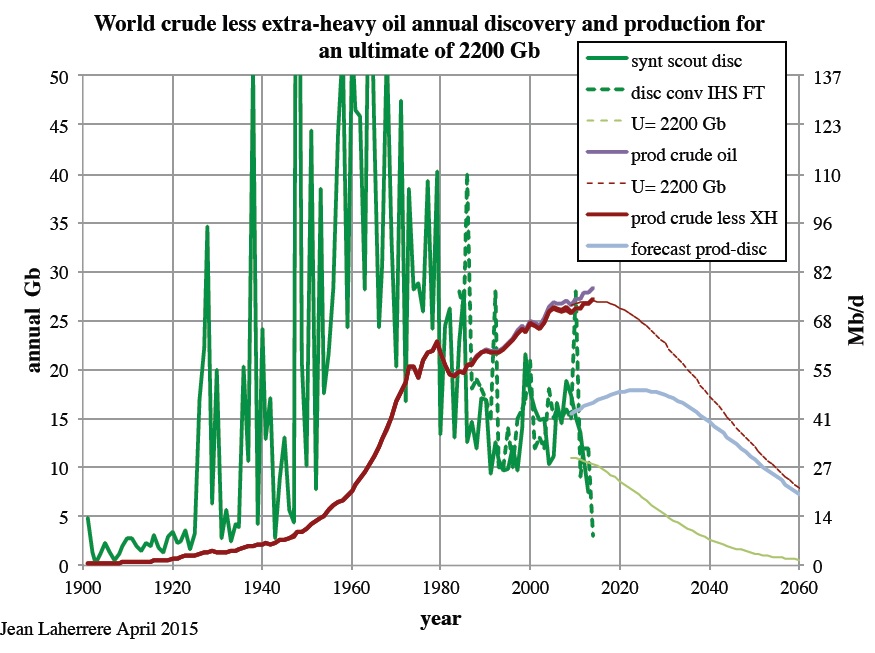
Peak oil is commonly visualized as a bell-shaped curve of production over time. The curve reflects the interplay of discovery, development, and depletion. Early on, production increases as easy-to-access resources are discovered and developed. At some point discovery and recovery improvements are outpaced by depletion of reservoirs, causing production to fall. The timing of a peak depends on geology, technology, market prices, extraction rates and policy decisions.
Key factors that influence timing
- Geology: The size and quality of reservoirs set the physical limits on production.
- Technology: Improved drilling, directional drilling, hydraulic fracturing and offshore techniques can raise recoverable volumes.
- Economics: Higher prices can make marginal resources economical, while low prices can slow investment.
- Policy and geopolitics: National decisions, sanctions, conflict and cartel behavior affect output and investment.
- Demand and substitution: Efficiency improvements or shifts to other fuels reduce demand, changing how scarcity is expressed.
Origins and historical examples
The concept is most often associated with geoscientist M. King Hubbert, who in the 1950s and 1960s proposed that production from a finite resource follows a roughly symmetric curve. Hubbert famously predicted that production in the United States would peak in the early 1970s; U.S. conventional crude production did decline around that period. Since then, different regions and individual fields have shown peak-like behavior at different times. International bodies and analysts have debated whether global conventional oil production peaked in the early 2000s; for example, in 2010 the International Energy Agency noted that global conventional crude output may have plateaued around 2006, while also highlighting uncertainties and the role of non-conventional supplies.
Modern developments and debate
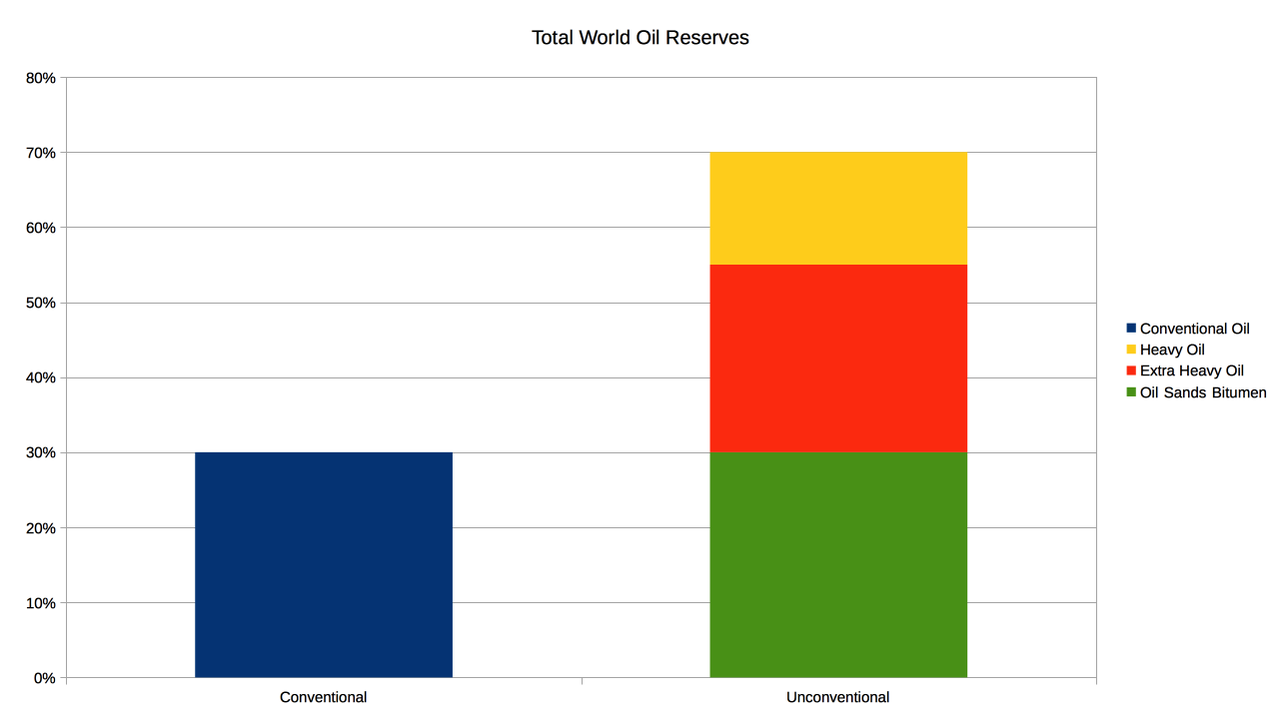
Since Hubbert’s era the industry has changed. Deepwater projects, heavy oil, oil sands and the shale (tight oil) revolution expanded supplies that were once uneconomic, shifting production profiles and delaying some predicted peaks. At the same time, climate policies, electric vehicles and efficiency gains have accelerated discussion of “peak demand” — a separate idea where consumption, not supply, reaches a maximum and then declines. The interplay of these trends means forecasts vary widely: some analysts emphasize geological limits, others stress market-driven substitution and technology.
Consequences and responses
When production from a major source falls, consequences can include higher and more volatile prices, shifting trade balances, altered geopolitics, and incentives for conservation and alternative energies. Governments and companies respond with increased exploration, improved recovery techniques, investment in non-oil energy sources, and policies to moderate demand. Understanding peak oil today requires combining geology with economics, technology and policy — and recognizing that both supply-side and demand-side forces will shape the energy transition.
Questions and answers
Q: What is peak oil?
A: Peak oil is the concept that at some point, a well, field, country, or the world will produce the most oil it can and thereafter produce lesser oil.
Q: Who was the first person to propose peak oil?
A: M.K. Hubbert was the first person to come up with the idea of peak oil in the 1950s and 1960s.
Q: What does Hubbert's Curve show?
A: Hubbert's Curve is a graph that predicts how much oil a particular region would produce before and after peak production levels.
Q: When did the United States reach peak oil levels?
A: The United States reached its peak oil production in the early 1970s.
Q: When did the International Energy Agency (IEA) predict peak oil may have occurred?
A: The IEA claimed that peak oil may have already occurred in 2006.
Q: Why are scientists and governments worried about peak oil?
A: Scientists and governments are worried about peak oil as it will lead to lesser oil production, and hence the prices of oil will increase significantly.
Q: When do many scientists think the world might experience peak oil?
A: Many scholars feel that the world has already experienced peak oil, around the early 2000s or before 2020, despite the exact date for it remaining unclear.
Related articles
Author
AlegsaOnline.com Peak oil: concept, history, and implications Leandro Alegsa
URL: https://en.alegsaonline.com/art/75344
Sources
- csmonitor.com : "International Energy Agency says 'peak oil' has hit. Crisis averted?"
- worldcat.org : 0882-7729