
Pavia — historic city in Lombardy, northern Italy
Pavia is an ancient university city on the Ticino River in Lombardy, Italy, known for its Roman and medieval heritage, the University of Pavia, Certosa monastery, and a lively cultural and agricultural region.
Pavia (Latin: Ticinum) is a city in northern Italy with a compact historic centre and a population of roughly seventy thousand. The town sits on the banks of the Ticino River and has roots stretching back to the Roman era.

Image gallery
10 Images

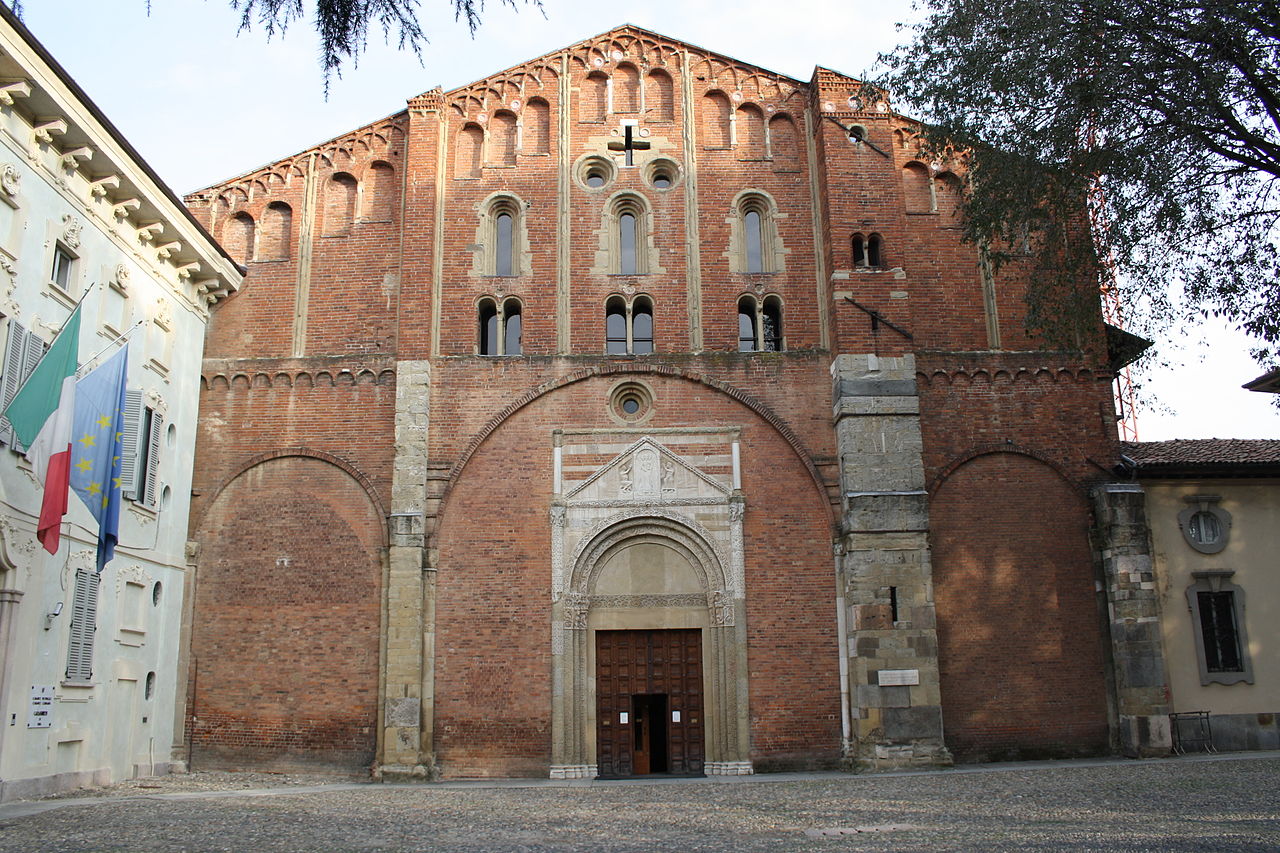


Location and character
Pavia is the seat of a provincial district in the Lombardy region and lies about 30 km south of Milan. Its setting at the edge of the Po Valley gives it a blend of riverfront streets, agricultural plains and a clear urban core dominated by university life and historic architecture.
History and development
Originally known as Ticinum in Roman sources, the town later became an important centre during the early medieval period and served as a capital under Lombard rule. Pavia preserved many medieval and Renaissance features through the centuries, and its long continuity as an administrative and religious hub shaped much of northern Italian history.
Landmarks and institutions
- University of Pavia — one of Italy's oldest universities, an important centre for teaching and research that gives the city a youthful and scholarly atmosphere.
- Certosa di Pavia — a large monastery complex on the outskirts, noted for its sculptural decoration and architecture.
- Ponte Coperto — the covered bridge over the Ticino, a visible symbol of the town's river identity.
- Castello Visconteo, the Duomo and the historic core — monuments and streets that reflect Roman, medieval and Renaissance layers of the city.
- Botanical garden and university museums — institutions linked to the academic tradition of the town.
Economy, culture and surroundings
The local economy combines services connected to education and healthcare with agriculture on the surrounding plains, where rice cultivation and vineyards are common. Pavia hosts cultural events, markets and a gastronomic scene that draws on Lombard traditions. Its museums, academic conferences and festivals make it a regional cultural centre.
Practical notes and notable facts
Pavia's compact scale makes it pleasant to explore on foot: narrow lanes and cloistered courtyards sit close to riverside promenades. The city's importance derives from its layered history, continuing academic role and proximity to Milan, and visitors often use it as a gateway to both Lombardy's cultural heritage and its agricultural landscape. For more on the city and travel, see local guides and the municipal site linked in the Pavia overview and in resources about the historic centre.
Questions and answers
Q: Where is Pavia located?
A: Pavia is located in northern Italy, in the Lombardy Region.
Q: How many people live in Pavia?
A: According to the text, there are 71.486 people living in Pavia.
Q: Is Pavia a historic city?
A: Yes, Pavia is described as a very old, historical city in the text.
Q: How far is Pavia from Milan?
A: The text states that Pavia is 30 km south of Milan.
Q: What is the Italian name of Pavia?
A: The Italian name of Pavia is "Pavia", as mentioned in the text.
Q: What is the Lombard name of Pavia?
A: The Lombard name of Pavia is also "Pavia", according to the text.
Q: What was the old name of Pavia in Latin?
A: The old Latin name of Pavia was "Ticinum", as indicated in the text.
Related articles
Author
AlegsaOnline.com Pavia — historic city in Lombardy, northern Italy Leandro Alegsa
URL: https://en.alegsaonline.com/art/75251