
Paul Morphy: American chess prodigy and influential 19th-century master
Paul Morphy (1837–1884), a New Orleans prodigy, dominated mid-19th-century chess, famously defeating Adolf Anderssen and shaping modern attacking play; later retired and remains a seminal figure in chess history.
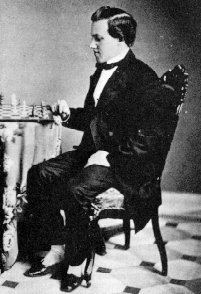
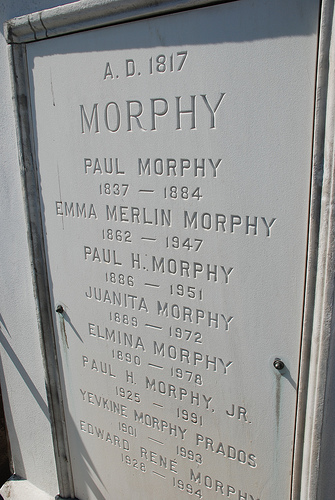
Paul Morphy (22 June 1837 – 10 July 1884) was an American chess prodigy and one of the first players widely recognized as the strongest of his era. Born and raised in New Orleans, he became celebrated for his clear, rapid development and brilliant tactical play. Contemporary observers called him "the pride and sorrow of chess," a phrase that captures both his extraordinary early achievements and the troubled later years of his life.
Image gallery
8 Images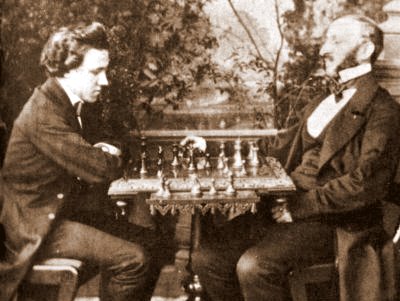


Background and early life
Morphy grew up in a cultured Creole household. His father, a respected lawyer, and his mother, who had a strong musical background, encouraged intellectual pursuits including chess and music. The family’s mixed ancestry is often noted in biographical accounts: his father had Portuguese, Irish and Spanish roots, while his mother was a French Creole. Morphy showed an exceptional aptitude for the game from childhood and by his late teens was regarded as the leading player in the United States.
Playing style and achievements
Morphy’s chess was marked by fast piece development, control of the center, and an uncanny ability to coordinate forces in sacrifice-based attacks. He favored open positions where his tactical vision could be decisive; his games often display precise calculation combined with an intuitive sense for the initiative. These qualities are on display in widely studied encounters such as the famous "Opera Game," which continues to be taught to students as a model of development and attacking technique.
Career highlights and the European tour
In 1858 Morphy traveled to Europe and played a series of important matches and casual encounters with many of the leading players of the day. The most notable result was his confrontation with Adolf Anderssen, then considered one of Europe’s best masters; their contest, played at the time in international exhibitions and matches, ended with Morphy winning decisively. Contemporary and later writers often describe him as the unofficial world champion during about 1858–1860, since a formal world championship did not yet exist. His success in Europe demonstrated that American players could compete at the highest international level.
Retirement and later life
After returning to the United States Morphy largely withdrew from serious competitive play. Although trained in the law, he never built a sustained legal career of public note and appears to have declined many offers to resume professional competitive chess. Accounts from his later years report increasing isolation and erratic behavior; historians advise caution when interpreting diagnoses made long after the fact. He died in 1884, but his reputation among chess players remained significant.
Legacy and notable facts
- Often considered the first great modern chess prodigy and among the strongest players of the 19th century.
- His games are still studied for their clarity, especially in opening play and tactical combinations.
- The match against Anderssen and his European tour established an early benchmark for international chess strength; contemporaries referred to those events as evidence of his preeminence in the absence of a formal title (Anderssen match).
- Biographical sources emphasize his Creole upbringing and family background, noting both cultural influences and the professions of his parents (chess master, household musician, and law).
- His life story—brilliant early success followed by withdrawal from public competition—has made him a subject of ongoing interest and speculation among chess historians.
Paul Morphy’s contribution to chess lies not only in his results but in the clear, principled approach to the game he demonstrated. For students of chess history and practical play alike, his recorded games remain a rich resource for learning about attack, development, and the power of coordination on the board.
Questions and answers
Q: Who was Paul Morphy?
A: Paul Morphy was an American chess master who was considered the greatest chess player of his era and an unofficial world champion from 1858-1860.
Q: How did Paul Morphy become widely recognized as the world champion?
A: Paul Morphy defeated Adolf Anderssen, with seven wins, two losses, and two draws in 1858, which led to him being widely recognized as the world champion.
Q: Was Paul Morphy a chess prodigy?
A: Yes, Paul Morphy was one of the first great chess prodigies in the modern era.
Q: What was Paul Morphy's background?
A: Paul Morphy was a creole of mixed inheritance. He was born in New Orleans, Louisiana, to a father of Portuguese, Irish, and Spanish ancestry, and a mother who was a French Creole.
Q: What was the atmosphere like in Paul Morphy's childhood home?
A: Paul Morphy grew up in an atmosphere of culture where chess and music were the typical highlights of a Sunday home gathering.
Q: In what way was Paul Morphy's mother talented?
A: Paul Morphy's mother was musically talented.
Q: What was Paul Morphy's father's profession?
A: Paul Morphy's father was a lawyer.
Related articles
Author
AlegsaOnline.com Paul Morphy: American chess prodigy and influential 19th-century master Leandro Alegsa
URL: https://en.alegsaonline.com/art/75157
Sources
- smithsonianmag.com : A Chess Champion’s Dominance—and Madness | History | Smithsonian