
Paul Keres: Estonian Chess Grandmaster and His Chess Legacy
Comprehensive overview of Paul Keres (1916–1975), his chess career, playing style, main tournaments and historical context, and his lasting reputation as a leading player who never became world champion.
Overview
Paul Keres (1916–1975) was an internationally renowned chess grandmaster from Estonia. Over a career spanning the 1930s to the 1960s he was consistently among the world’s elite, often rated informally as one of the top four players of his time. Keres combined deep opening preparation with pragmatic middlegame judgement and an ability to generate practical chances from slightly inferior positions. Popularly nicknamed the "Crown Prince of Chess," he is frequently cited as the strongest player who never held the World Championship title.
Image gallery
10 Images




Career highlights and major tournaments
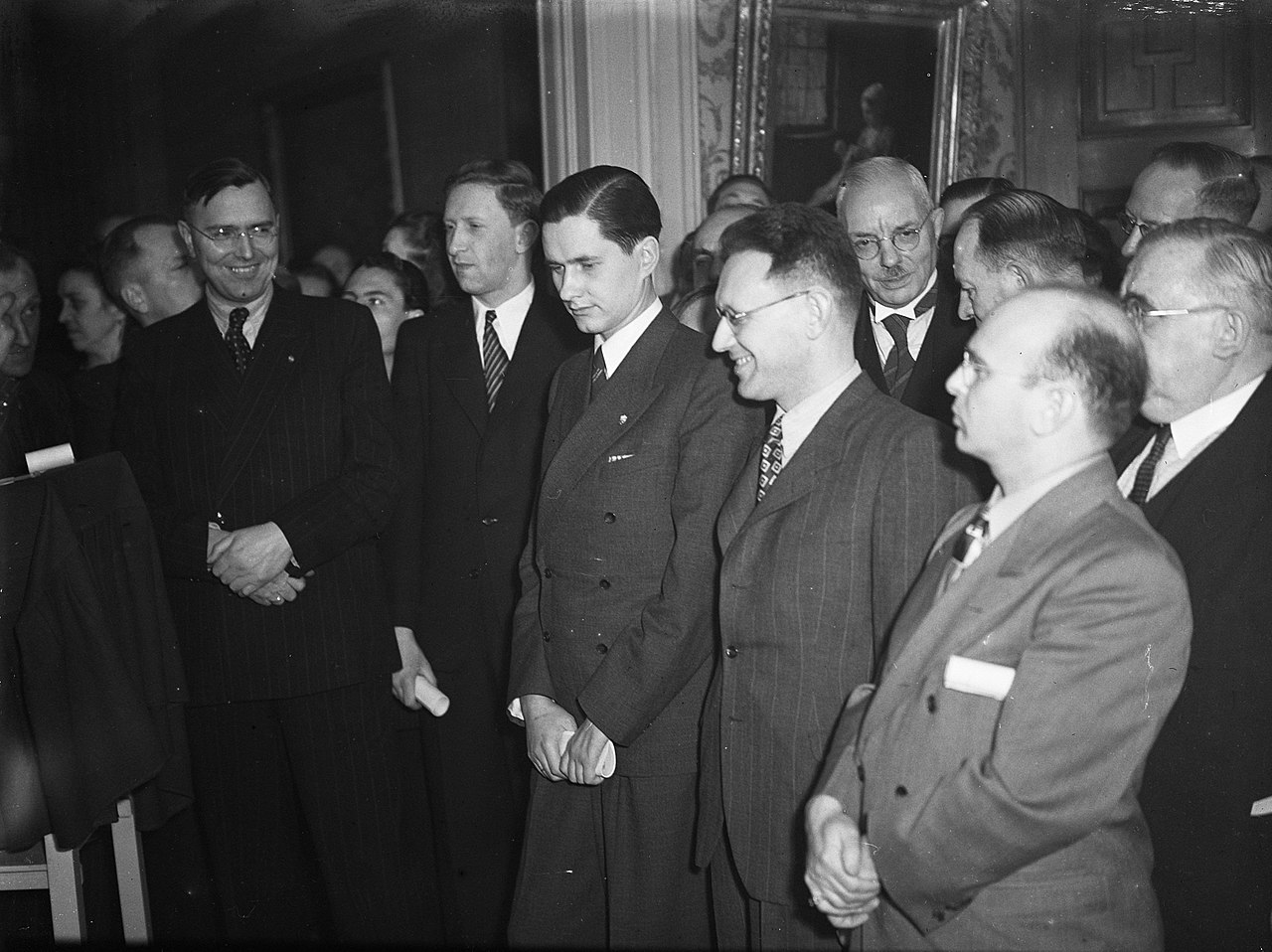
Keres rose to international prominence in the late 1930s. He shared first place at the 1938 AVRO tournament, an event that produced candidates for a possible World Chess Championship match with Alexander Alekhine. That plan dissolved with the outbreak of World War II, but Keres still demonstrated his strength by defeating former world champion Max Euwe in a 1939–1940 match held in the Netherlands. After the war he took part in the 1948 world championship tournament to select Alekhine's successor, finishing near the top, and later was runner-up in Candidates events on multiple occasions (1953, 1956, 1959 and 1962).
- AVRO 1938: joint first — boosted his international reputation.
- Euwe match 1939–40: a hard-fought 14-game match victory.
- 1948 World Championship tournament: finished among the leaders as the title moved to Mikhail Botvinnik.
- Soviet Championships: three-time winner in a period when the Soviet field was extraordinarily strong.
- Chess Olympiads: represented the Soviet team in multiple successive events with team and board medals.
Playing style, strengths and reputation
Keres' style combined classical strategic ideas with a capacity for imaginative tactics. He was admired for his opening repertoire and versatility: comfortable in both positional manoeuvring and sharp tactical play. At the board he was famously composed — observers dubbed him "Old Stoneface" because his expression revealed little of his inner calculations. Commentators and peers praised his endgame technique and practical resilience, though some later analysts suggested he sometimes faded at decisive moments in long matches.
Historical context and personal background
Keres' life and career were shaped by 20th-century upheavals. Born in an independent Estonia that emerged after World War I, he saw his homeland annexed by the Soviet Union in 1940, occupied by Nazi Germany soon after, and reabsorbed into the Soviet bloc after World War II. During the postwar period he competed under Soviet auspices and took part in national events such as the USSR championships. Anecdotes from the Cold War era include reported surveillance by state security agents during western tournaments — for example, an account of a KGB official stationed near his hotel room while he played at Hastings in the 1950s — though Keres remained outspokenly proud of his Estonian identity despite the pressures of the time.
Legacy, honors and controversies
Keres collected numerous tournament victories and podium finishes over four decades and helped the Soviet team to success in multiple Chess Olympiads. He won the USSR title on several occasions and remained a feared opponent in individual events well into his later years. Discussions about his legacy often acknowledge that he narrowly missed opportunities for a world title on several occasions. Rumours have circulated about political influence in some postwar events that affected outcomes, but there is no verifiable evidence that Keres deliberately lost critical games. He remained respected by fellow masters and commentators; upon his death leading figures described his passing as a major loss for the chess world.
Commemorations and where to learn more
Keres is commemorated by biennial memorial tournaments held in his native Tallinn and by continued study of his extensive body of games. Collections of his best encounters illustrate his flexible approach to the opening and his resourceful handling of complex positions. Modern players and historians review his games for instructive examples of middlegame technique, practical endgame play and opening innovation. For those exploring his life further, tournament archives, annotated game collections and national chess federation histories provide primary material and analysis.
Paul Keres' career remains an important chapter of 20th-century chess history: a blend of exceptional competitive achievement, stylistic clarity at the board, and a personal story shaped by the turbulent politics of his era. His games continue to be studied by enthusiasts and professionals alike as examples of strategic depth combined with practical fighting spirit.
Questions and answers
Q: When was Paul Keres born?
A: Paul Keres was born on January 7, 1916.
Q: What is the nickname given to Paul Keres?
A: Paul Keres was nicknamed "The Crown Prince of Chess".
Q: How many times did he win the USSR championship?
A: He won the USSR championship three times, in 1947, 1950 and 1951.
Q: Who did he play a 14-game match with in 1939-1940?
A: In 1939-1940, he played a 14-game match with ex-World Champion Max Euwe.
Q: Why didn't his negotiations for a world championship match with Alexander Alekhine take place?
A: His negotiations for a world championship match with Alexander Alekhine did not take place due to World War II.
Q: What were Botvinnik's thoughts on Keres' death?
A: Botvinnik thought his death was "the greatest loss suffered by chess since the death of Alekhine".
Related articles
Author
AlegsaOnline.com Paul Keres: Estonian Chess Grandmaster and His Chess Legacy Leandro Alegsa
URL: https://en.alegsaonline.com/art/75142