
Patrick White: Australian novelist and Nobel laureate
Patrick White (1912–1990) was an Australian novelist, playwright and short‑story writer. Nobel Prize winner in 1973, he is known for modernist prose, psychological depth and vivid depictions of Australian life.
Overview
Patrick Victor Martindale White (28 May 1912 – 30 September 1990) was an Australian author whose work reshaped English‑language fiction in the mid‑20th century. Over a career that began in the 1930s and continued until his death, he produced novels, plays and short stories that explored inner life, spiritual searching and the particularities of Australian experience. He received the Nobel Prize in Literature in 1973, and was named Australian of the Year in 1974. For a concise introduction to his life and career see biographical resources.
Image gallery
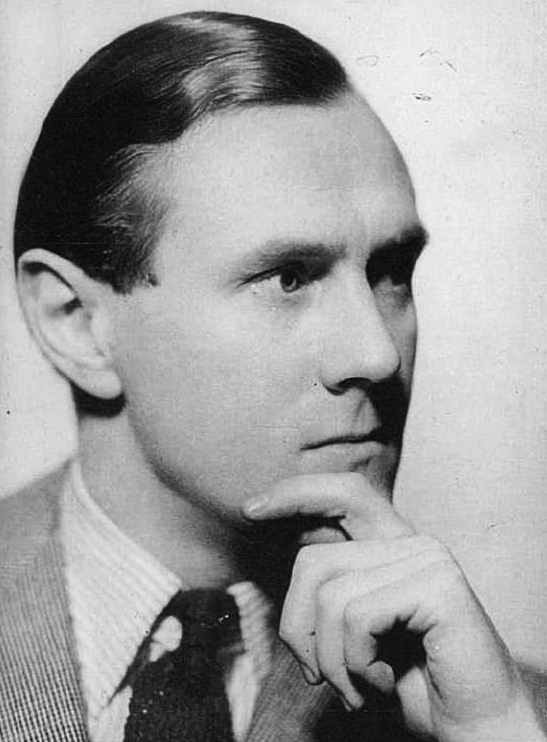
9 Images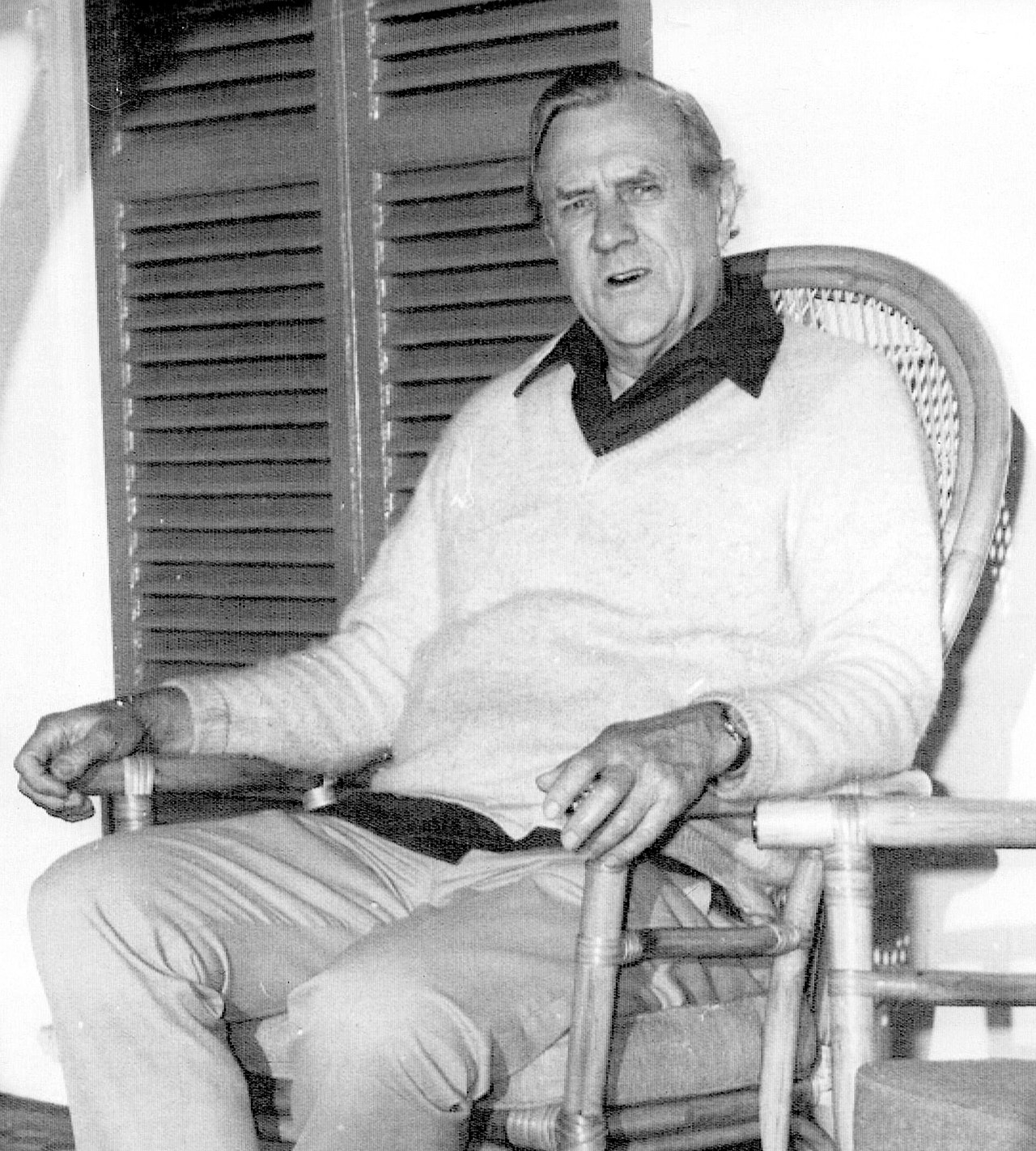






Style and themes
White's prose combines ornate description with a modernist attention to consciousness. He often employed shifting narrative vantage points, stream‑of‑consciousness passages and a darkly comic tone to probe characters' inner compulsions and moral ambiguities. Recurring themes in his work include isolation, the search for identity, spiritual or artistic vocation, and a conflicted relationship with the Australian landscape—both its physical harshness and its cultural meanings. Critics note his use of symbolic and biblical motifs alongside vivid, sometimes grotesque, realism.
Major works
Across twelve novels, two short‑story collections and numerous plays, White developed a distinct fictional world. Important books often cited by readers and scholars include:
- The Tree of Man — an expansive study of marriage and rural life.
- Voss — a historical novel that pairs a Victorian explorer with an Australian woman in a story of obsession and mythmaking.
- Riders in the Chariot — a multi‑voiced novel that examines suffering, persecution and visionary experience.
- The Vivisector — a probing portrait of an artist's life, which was later considered in discussions around the Lost Man Booker Prize.
Recognition and historical context
White's Nobel Prize made him the first Australian citizen to be awarded that honor; for many years he remained the country's only Nobel laureate until the novelist J. M. Coetzee, born in South Africa, took up Australian citizenship in 2006. His work initially polarized critics—praised for ambition and linguistic power by some, criticized by others for perceived aloofness—yet his standing in Australian letters solidified over decades. He also received formal national recognition when he was named Australian of the Year in 1974.
Legacy and influence
Patrick White's influence extends to later generations of Australian writers who sought to reckon with national identity and psychological depth in fiction. His experiments with narrative perspective and his willingness to represent spiritual and existential concerns contributed to a more international, modernist tone in Australian letters. Academic study of his work continues in literary criticism, university courses and editions of his writings, and his novels remain part of many reading lists and public discussions about canonical Australian literature.
Notable facts and distinctions
Beyond his published output, White was known for his strong views about art and culture and for guarding his privacy. He wrote across genres—novels, short stories and drama—and his work is frequently anthologized and adapted for stage and screen. Though opinions about his books vary, he is widely regarded, together with contemporaries such as Christina Stead, as one of the most significant Australian novelists of the 20th century. For further reading and archival material consult the linked resources above and specialist studies in literary scholarship.
Questions and answers
Q: Who was Patrick White?
A: Patrick Victor Martindale White was an Australian author.
Q: What was Patrick White's contribution to English-language literature in the 20th century?
A: Patrick White was an important English-language novelist of the 20th century.
Q: How many novels, short-story collections, and plays did Patrick White publish during his lifetime?
A: Patrick White published 12 novels, two short-story collections and eight plays from 1935 until his death.
Q: What techniques did Patrick White use in his fiction?
A: Patrick White's fiction uses humour, ornate prose, shifting narrative vantage points and a stream of consciousness technique.
Q: When did Patrick White receive the Nobel Prize in Literature?
A: Patrick White received the Nobel Prize in Literature in 1973.
Q: Who was the only Australian citizen with the Nobel Prize in Literature before J. M. Coetzee?
A: Patrick White was the only Australian citizen with the Nobel Prize in Literature before J. M. Coetzee became an Australian citizen in 2006.
Q: Who are widely considered the most important Australian novelists of the 20th century?
A: Patrick White and Christina Stead are widely called the most important Australian novelists of the 20th century.
Related articles
Author
AlegsaOnline.com Patrick White: Australian novelist and Nobel laureate Leandro Alegsa
URL: https://en.alegsaonline.com/art/75062
Sources
- whitehat.com.au : "Australian Nobel Prize Winners"
- mg.co.za : "[[JM Coetzee]] becomes an Australian citizen"