
Patau syndrome (Trisomy 13) — causes, features, diagnosis, and care
Patau syndrome (Trisomy 13) is a rare chromosomal disorder caused by an extra copy of chromosome 13, producing severe congenital anomalies. This article explains causes, clinical features, diagnosis, prognosis, and counseling.
Patau syndrome, also called Trisomy 13, is a genetic condition in which individuals carry an extra copy of human chromosome 13. The additional genetic material disrupts normal development and typically causes multiple congenital anomalies affecting the brain, face, heart and other organs. The condition is rare and serious; many affected pregnancies do not survive to term and infants who are born often have life-limiting complications.
Image gallery
4 Images


Genetics and causes
The underlying problem is chromosomal. In most cases an error in cell division produces an extra chromosome 13 in every cell, a process that commonly results from nondisjunction during meiosis. Less commonly, a Robertsonian translocation — a specific rearrangement between chromosomes — can produce a balanced carrier parent and increase recurrence risk. Mosaic Trisomy 13, where only a proportion of cells carry the extra chromosome, causes a more variable and sometimes milder presentation.
Typical clinical features
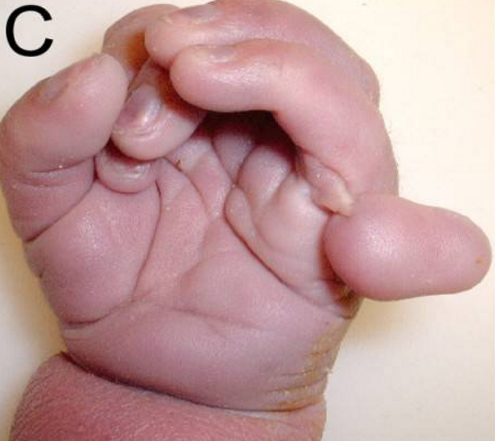
Findings vary, but common features at birth include structural brain anomalies (for example, holoprosencephaly), facial differences such as cleft lip or palate, small or malformed eyes (microphthalmia), extra fingers or toes (polydactyly), scalp defects (cutis aplasia), and severe congenital heart defects (ventricular septal defects, atrial septal defects). Growth restriction, profound intellectual disability and problems with feeding and breathing are frequent.
- Central nervous system: holoprosencephaly, seizures
- Craniofacial: cleft lip/palate, microphthalmia
- Limbs and skin: polydactyly, scalp defects
- Cardiac and visceral: complex heart defects, renal anomalies
Diagnosis and prenatal testing
Chromosomal anomalies can be suspected on prenatal ultrasound or screening tests and confirmed by diagnostic procedures. Noninvasive screening methods include maternal serum screening and cell-free fetal DNA in maternal blood; detailed ultrasound may identify structural markers. Definitive diagnosis uses invasive testing such as chorionic villus sampling or amniocentesis with karyotype or chromosomal microarray analysis. After birth, a blood karyotype or genetic testing establishes the diagnosis.
Prognosis and management
Prognosis is guarded: many affected fetuses result in miscarriage or stillbirth, and neonatal mortality is high. Infants who survive the newborn period often have severe disability and require ongoing medical, surgical and supportive care. Management focuses on treating specific anomalies (for example cardiac surgery when feasible), preventing complications, and providing nutritional, respiratory and palliative support. Decisions about interventions are individualized and often made by families with multidisciplinary clinical teams.
Epidemiology, counseling and notable distinctions
Patau syndrome is one of the autosomal trisomies encountered in clinical genetics and is the rarest of the three well-known full trisomies in live births; trisomy conditions such as Down syndrome (trisomy 21) and Edwards syndrome (trisomy 18) occur more frequently. Risk increases with advancing maternal age. Genetic counseling is recommended for affected families: karyotyping can identify translocation carriers and provide individualized recurrence risk estimates, while supportive resources and early planning help address medical and ethical decisions.
For clinicians and families, clear communication about likely outcomes, available interventions and supportive care options is essential. Long-term follow-up is coordinated among pediatrics, cardiology, neurology, surgery, genetics and palliative care teams to optimize quality of life for affected infants and children.
Questions and answers
Q: What is Patau syndrome?
A: Patau syndrome, also known as Trisomy 13 or Trisomy D, is a genetic disorder caused by having an extra copy of chromosome 13.
Q: How does someone get Patau syndrome?
A: Patau syndrome is usually caused by a problem during meiosis, but it can also be the result of Robertsonian translocation, a common rearrangement of chromosomes in humans.
Q: Who is at risk of having a baby with Patau syndrome?
A: Women who have babies later in life, around the age of 31, have an increased risk of having a baby with Patau syndrome.
Q: What is the prevalence of Patau syndrome in live births?
A: Patau syndrome affects about one in 25,000 live births.
Q: How does the prevalence of Patau syndrome compare to Down syndrome and Edwards syndrome?
A: Down syndrome and Edwards syndrome are more common than Patau syndrome.
Q: What are some other names for Patau syndrome?
A: Patau syndrome is also known as Trisomy 13 or Trisomy D.
Q: What is Robertsonian translocation?
A: Robertsonian translocation is a common rearrangement of chromosomes in humans that can result in the extra copy of chromosome 13 seen in Patau syndrome.
Author
AlegsaOnline.com Patau syndrome (Trisomy 13) — causes, features, diagnosis, and care Leandro Alegsa
URL: https://en.alegsaonline.com/art/74989
Sources
- wrongdiagnosis.com : "Prevalence and Incidence of Patau syndrome"
- miscarriage.about.com : miscarriage.about.com