
Pat Paulsen: Comedian, Satirist, and Perennial Presidential Candidate
American comedian Pat Paulsen (1927–1997) gained fame for satire on The Smothers Brothers Comedy Hour and for staged presidential campaigns that lampooned U.S. politics while engaging public debate.
Overview
Pat Paulsen (Patrick Layton Paulsen, 1927–1997) was an American comedian and actor best known for his deadpan delivery and recurring parody of a presidential candidate. Born in South Bend, Washington, he served in the U.S. Marines during World War II before attending college and trying a variety of civilian jobs. Over decades he combined stand-up, sketch work and televised mock-editorials to lampoon public figures and political processes while also calling attention to civic issues.
Image gallery
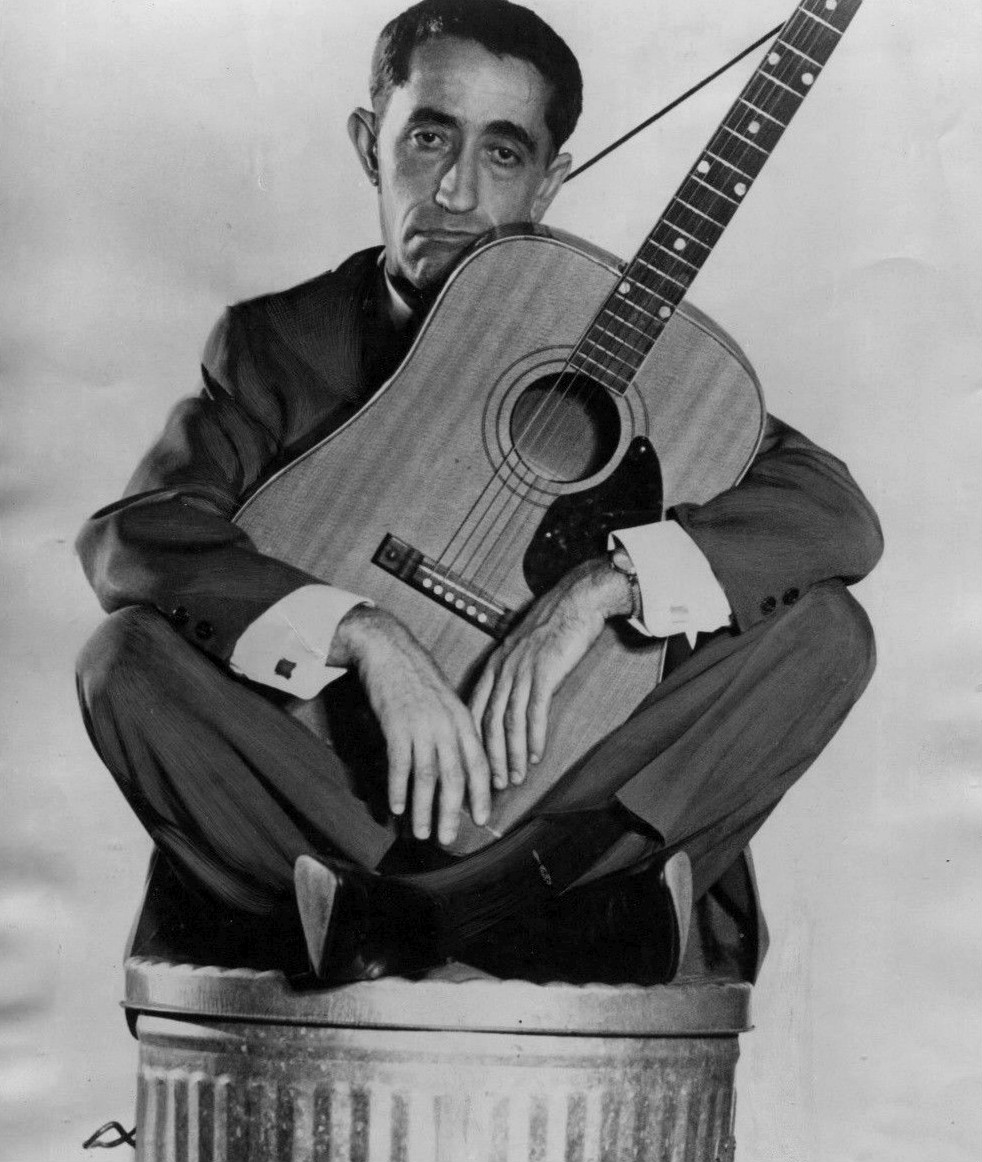
2 Images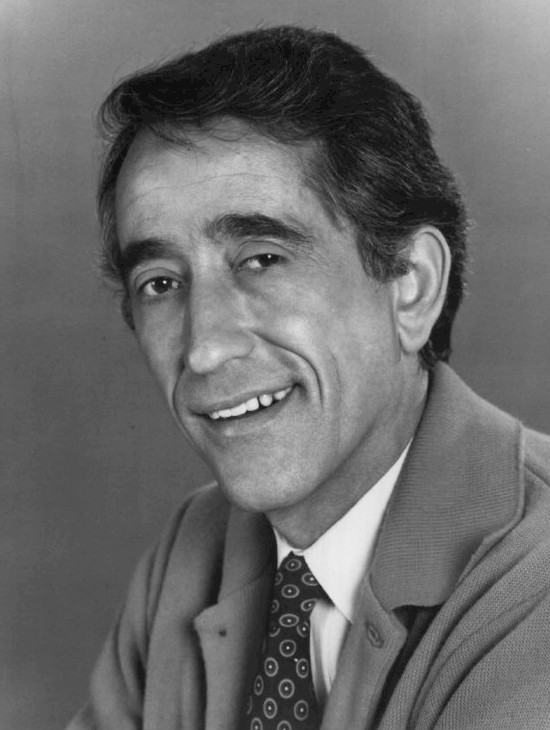
Career and comedic style
Paulsen came to wider attention through television and variety shows in the 1960s. After performing in small venues and a comedy troupe with his brother, he joined the regular cast of a prominent television variety program, where he both wrote sketches and appeared in short editorial segments. His comic persona was understated and often satirical, using apparent earnestness to highlight contradictions, hypocrisy, or absurdity in public life. Recurring themes in his material included free expression, public policy debates, and social problems such as pollution and inequality.
Presidential campaigns and political satire
In 1968 Paulsen launched a mock campaign for President of the United States. Framed as satire, the effort mimicked the trappings of a real campaign: speeches, interviews, public appearances and a stated position on issues. The campaign began as performance art and social commentary but struck a chord with voters disillusioned with mainstream choices; in some places Paulsen attracted write-in support. He continued to stage a faux candidacy in subsequent election cycles, treating the campaign format as both comedic material and a means of prompting public conversation about governance and policy.
Later work, theater ownership, and collaborations
After the television show that boosted his profile ended, Paulsen maintained a steady career in comedy and occasional acting roles. He invested in live theater, purchasing a regional playhouse where productions were staged for local audiences, and he sometimes reunited with earlier collaborators for guest appearances. On at least one later campaign cycle he named a well-known entertainer as a running mate, underscoring the performative nature of his candidacies while drawing continued media attention.
Legacy and influence
Paulsen is remembered as a figure who blurred the line between entertainment and political commentary. His work anticipated later forms of televised and performance satire that use parody to critique public life. While often humorous, much of his material encouraged listeners to reflect on civil liberties, public safety, environmental concerns and the responsibilities of elected officials. He remained a recognizable presence in American popular culture through the 1970s and beyond.
Biographical notes and notable facts
- Full name: Patrick Layton Paulsen; born July 6, 1927, in South Bend, Washington.
- Military service: served in the United States Marine Corps during World War II.
- Television work included sketch writing and spoken editorial pieces that prompted audience interest.
- Staged presidential campaigns began in 1968 and were repeated in later election years as satire.
- Owned and operated a regional theater that presented live stage productions.
- Died April 24, 1997, after complications related to cancer and pneumonia; survived by his wife.
Selected links and resources
- Pat Paulsen (overview)
- Comedian profile
- Actor roles
- Presidential campaigns
- Military service
- Education
- Early comedy troupe
- Smothers Brothers
- Television variety
- The Smothers Brothers Comedy Hour
- Mock editorials
- Political satire
- Gun control commentary
- Drug issues
- 1968 election
- Humor and irony
- American politics
- Campaign speeches
- Media interviews
- Public appearances
- Republican context
- Democratic context
- Hubert Humphrey
- Alabama politics
- Governor role
- George Wallace
- Pollution and environment
- Prejudice and civil rights
- Cherry County Playhouse
- Tiny Tim running mate
- Cause of death
- Medical treatment abroad
- Tijuana
Note: This article summarizes widely known aspects of Paulsen's public life and career. For detailed archival material, primary interviews or specific broadcast records consult specialized collections or dedicated biographies.
Questions and answers
Q: When was Patrick Layton Paulsen born?
A: Patrick Layton Paulsen was born on July 6, 1927.
Q: What did Patrick do during World War II?
A: During World War II, Patrick served in the United States Marines.
Q: How did Patrick become famous?
A: After working a variety of jobs, such as a salesman and office clerk, Patrick started a comedy troupe with his brother. After the troupe broke up, he began performing on his own and played at many of the same venues as the Smothers Brothers before they became famous. The Smothers Brothers then invited him to join their regular cast for their television variety show (The Smothers Brothers Comedy Hour). He wrote comedy sketches for the show and also appeared on camera in different roles. His mock editorials were very popular and hundreds of viewers wrote to CBS asking for copies of them.
Q: What did Paulsen do during an election year in 1968?
A: During an election year in 1968, Paulsen began a pretend "campaign" for President to show the humor and irony in American politics. He made public appearances, gave speeches, granted media interviews, and made his "stand on the issues" well known. On Election Day people around the United States voted for him as a write-in candidate because they were not satisfied with what other candidates promised to do as President.
Q: What kind of theater did Paulsen buy during the 1970s?
A: During the 1970s, Paulsen bought Cherry County Playhouse which was a theater in Traverse City Michigan that showed stage plays.
Q: Who was Pat's running mate when he ran again in 1992? A: In 1992 Pat chose singer Tiny Tim as his running mate to become his Vice President if elected.
Q: When did Pat pass away? A: Pat passed away on April 24th 1997 from pneumonia from complications of brain and colon cancer while receiving medical treatment in Tijuana Mexico at 69 years old
Related articles
Author
AlegsaOnline.com Pat Paulsen: Comedian, Satirist, and Perennial Presidential Candidate Leandro Alegsa
URL: https://en.alegsaonline.com/art/74978