
Australian Kelpie
A medium-sized Australian herding dog bred for endurance, intelligence and independent work. Used worldwide for mustering sheep, cattle and goats; noted for high energy, trainability and a range of coat colours.
Overview
The Australian Kelpie, commonly called the Kelpie, is a medium-sized herding dog developed in Australia for working livestock with minimal guidance. The breed name derives from Gaelic and is often translated as "water sprite." Kelpies are prized for their alertness, stamina and ability to make independent decisions while mustering and driving animals. They have been exported to many countries and remain one of the most widely used pastoral breeds for sheep and cattle work.
Image gallery
10 Images






Appearance and varieties
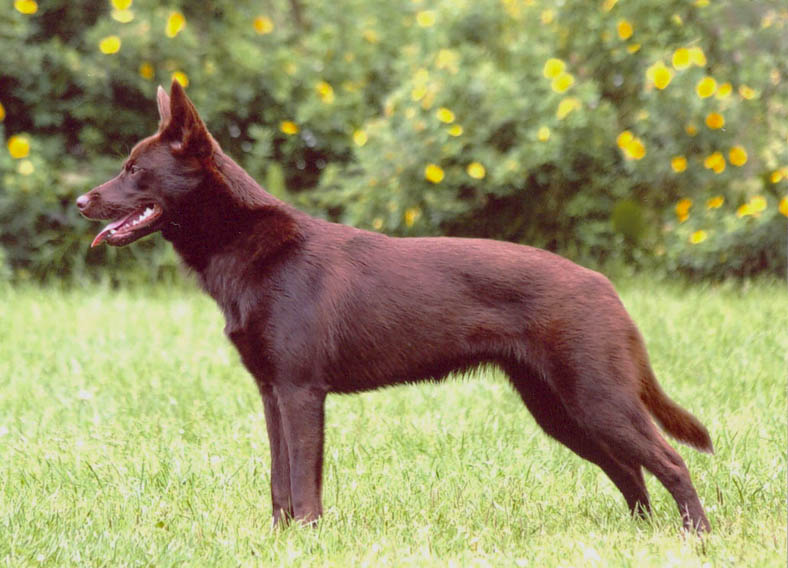
Kelpies are athletically built and agile, with a coat that is short to medium in length and weather-resistant. Ear carriage varies from fully pricked to semi-pricked. Coat colours include solid and marked patterns such as black, black-and-tan, red, fawn and chocolate; tan points and other markings are common. Two broad strains are recognised in many regions: working Kelpies, bred for herding ability and soundness, and show or conformation Kelpies, selected for appearance and registry standards.
Temperament and training
Known for high intelligence and intense focus, the Kelpie thrives on tasks and mental challenge. They form strong working bonds with handlers and often display a natural crouch and eye when herding. Because of their energy and impulse to control livestock, they require early socialisation, consistent training and abundant physical activity. With appropriate exercise and training, many make loyal family companions; without outlet they can become bored and develop problem behaviours.
History and development
Emerging in the 19th century, the breed was shaped by Australian pastoral needs: dogs that could cover long distances in hot, rugged terrain and handle large flocks with minimal supervision. Early foundation stock included collie-type dogs brought by settlers, crossed and selected over generations for working traits suited to Australian conditions. The Kelpie’s reputation grew as a dependable mustering dog and the name became broadly associated with herding skill.
Uses, working life and distinctions
Primarily employed to herd sheep, cattle and goats, Kelpies are also used for mustering across open country, yard work and competitive dog sports such as agility and obedience. Australian Kelpie handlers value them for endurance and initiative. Distinct from many show lines, pure working Kelpies may be registered with specialist organisations and emphasise temperament and ability over strict conformation. For information on herding techniques and demonstrations see sheepdog resources and practical guides (training and livestock handling).
Health, care and notable facts
Generally robust, Kelpies have a typical working-dog constitution but can be prone to some hereditary conditions such as hip concerns, certain eye diseases and epilepsy; responsible breeders use health screening. They have modest grooming needs and a lifespan often ranging into the low to mid teens. Because of their specialized instincts and energy levels, Kelpies are best suited to owners who can provide regular, purposeful exercise and mental stimulation. For breeders, handlers and enthusiasts seeking more detailed breed information, see regional kennel and working-dog organisations (resources).
Questions and answers
Q: What is the Australian Kelpie?
A: The Australian Kelpie is an Australian sheepdog.
Q: What does the word 'Kelpie' mean?
A: The word 'Kelpie' is Gaelic and means "water sprite".
Q: Are Australian Kelpies good at herding?
A: Yes, Australian Kelpies are very successful at herding and driving livestock with little or no guidance.
Q: What size is the Australian Kelpie?
A: The Australian Kelpie is a medium-sized dog.
Q: What colors does the Australian Kelpie come in?
A: The Australian Kelpie comes in both the tan markings and solid colors.
Q: What is the main purpose of the Australian Kelpie?
A: The main purpose of the Australian Kelpie is to herd sheep, cattle, and goats.
Q: Has the Australian Kelpie been exported outside of Australia?
A: Yes, the Australian Kelpie has been exported throughout the world.
Related articles
Author
AlegsaOnline.com Australian Kelpie Leandro Alegsa
URL: https://en.alegsaonline.com/art/7493
Sources
- ankc.org.au : "Extended Breed Standard of The Australian Kelpie"
- kelpiesinc.com : "The Working Kelpie"
- northbay-canine.org : "Herding Breed Characteristics"
- burkesbackyard.com.au : "Australian Working Kelpie"
- commons.wikimedia.org : Australian Kelpie