
Riversleigh World Heritage Area
Riversleigh in north‑west Queensland is a World Heritage fossil site whose exceptionally preserved Oligocene–Miocene vertebrates illuminate Australia’s ancient ecosystems and mammal evolution.
Overview
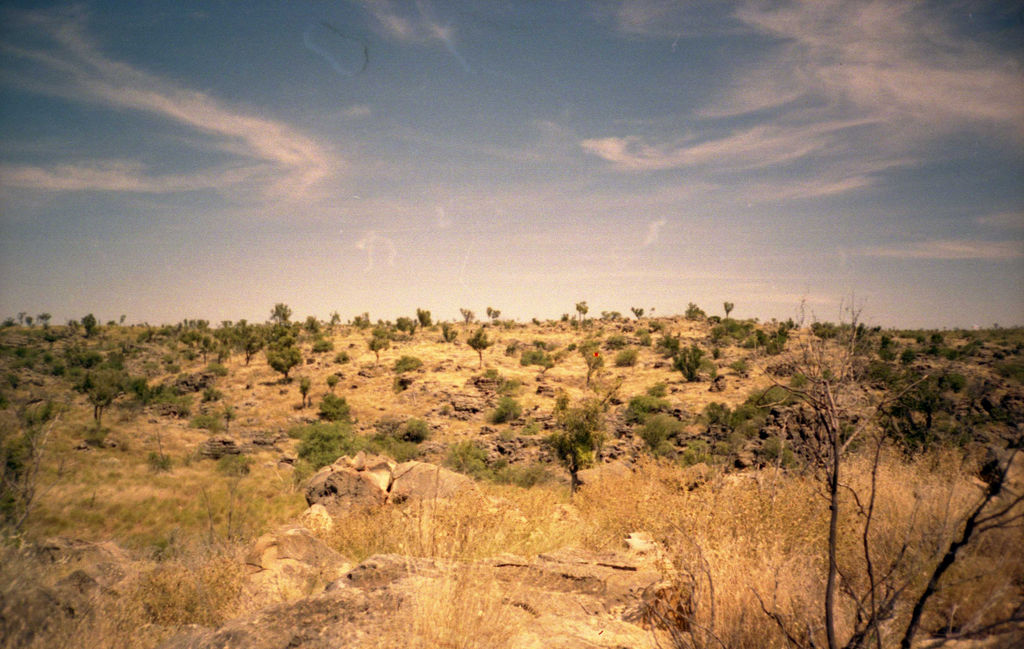
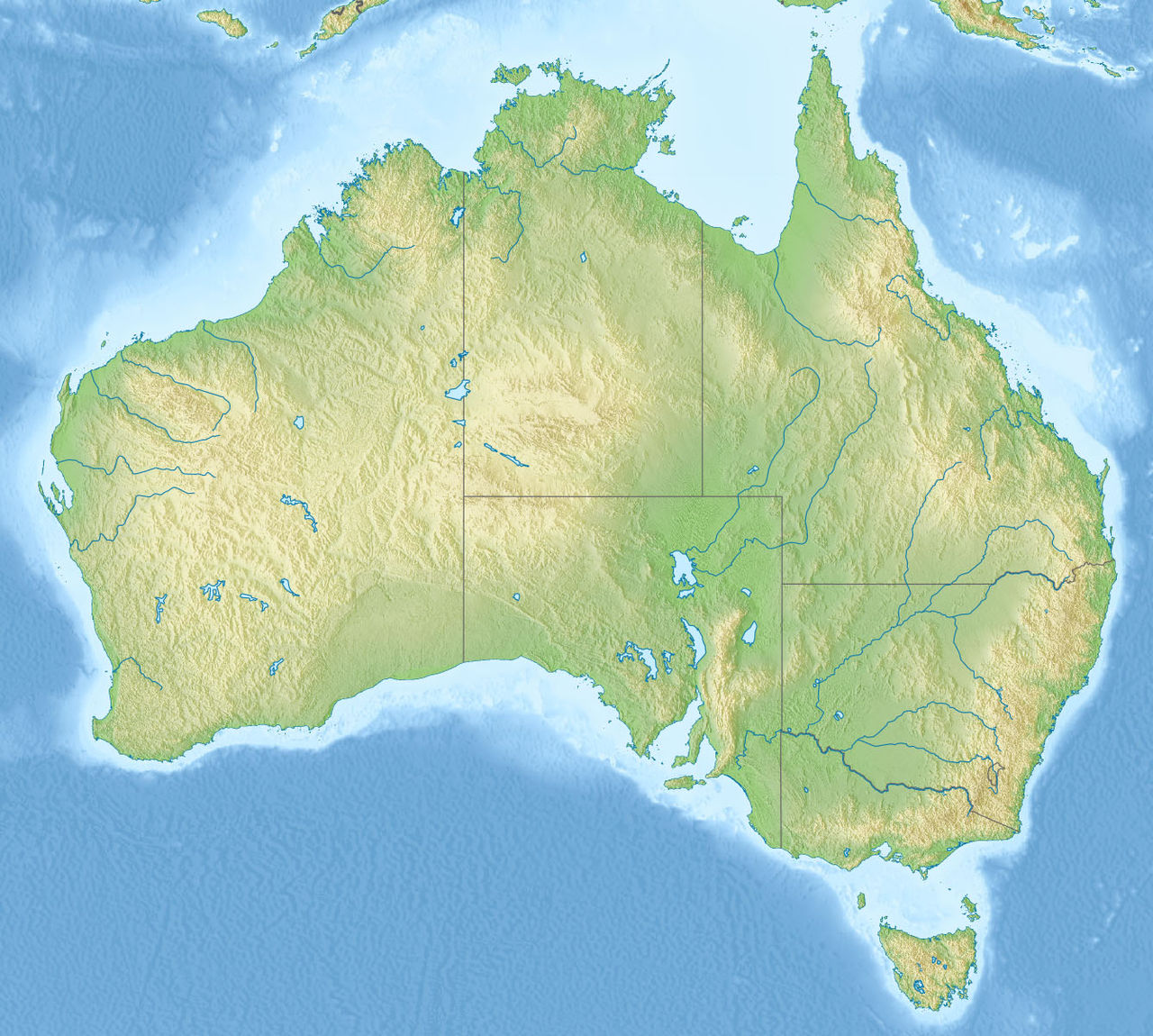
The Riversleigh World Heritage Area lies in north‑west Queensland within the greater protected landscape of Boodjamulla National Park and is part of the Australian Fossil Mammal Sites listed by UNESCO as a World Heritage Site. The Riversleigh fields cover roughly 100 km² of fossiliferous deposits and provide one of the richest records of Cenozoic vertebrate life in Australia. The site is remote and much of its scientific value derives from controlled excavation and curation rather than extensive tourism.
Image gallery
4 Images

Location and context
Riversleigh lies in a semi‑arid region of Australia and is managed within a national park framework that balances conservation with research access. Its significance is often considered alongside other Australian fossil areas such as Naracoorte Caves, together recognised for their contribution to understanding past faunas and environments.
Geology and preservation
Fossils at Riversleigh are preserved primarily in freshwater limestone deposited in karst and cave systems. Carbonate deposition filled fissures and caves, encapsulating bones and teeth in a way that avoided the severe compression typical of many sedimentary deposits. As a result many specimens retain three‑dimensional form and delicate anatomical detail, which aids anatomical, functional and phylogenetic studies. The carbonate matrices are often soft and require careful laboratory preparation.
Dating and stratigraphy
The Riversleigh sequence spans the Oligocene into the Miocene, covering important intervals of the Cenozoic when global and regional climates were changing. Stratigraphic work combines biostratigraphy, radiometric constraints where available, and sedimentological interpretation to place fossil assemblages within a temporal framework. This allows researchers to track faunal turnover and ecological shifts over millions of years.
Fossil assemblages and scientific importance
The site has produced a diverse assemblage of vertebrates, including numerous marsupials and other mammals, as well as birds and reptiles. These remains help document the evolution and radiation of Australia’s endemic groups and provide direct evidence of past diets, locomotion and ecological roles. Because specimens are often complete or articulated, Riversleigh has enabled reconstructions of whole‑animal biology and paleoecology that are rarely possible from fragmentary material.
Notable contributions to paleontology
Riversleigh specimens have clarified patterns of diversification among marsupials, illuminated previously unknown morphologies, and supplied examples of extinct ecological guilds. The quality of preservation has permitted studies of microanatomy and growth, and comparisons with living lineages have improved interpretations of behavior and habitat preferences. The site therefore plays a central role in hypotheses about how changing climates and environments shaped Australian faunal evolution.
Research history and conservation
Systematic work at Riversleigh expanded in the late twentieth century with interdisciplinary teams from museums and universities conducting field surveys, excavation and laboratory analyses. Conservation efforts focus on protecting fragile exposures from weathering and human impact, documenting in situ contexts and ensuring that collected material is curated in public institutions. Local, regional and national agencies collaborate to manage the area and to disseminate scientific findings responsibly.
Access, display and education
Because the site is remote and scientifically sensitive, most public engagement occurs through museum displays, publications and educational programs that show selected specimens and explain Riversleigh’s importance. Fieldwork is carried out under permit and guided by best practices in heritage management. Information for visitors and educators is provided by park authorities and research institutions linked through official channels.
Further reading and resources
For authoritative information consult conservation authorities and specialist literature. General resources and institutional pages provide summaries and guidance for researchers and the public. See also links to regional park services, heritage listings and scientific repositories for up‑to‑date findings and visitor guidance.
Fossil basics • Mammals of Riversleigh • Bird and reptile remains • Limestone preservation • Location details • Country context • UNESCO entry • World Heritage information • Comparator site • Oligocene epoch • Miocene epoch • Geological epochs
Questions and answers
Q: Where is Riversleigh located?
A: Riversleigh is located in north-west Queensland, Australia.
Q: What is Riversleigh known for?
A: Riversleigh is known for being one of the Australian Fossil Mammal Sites listed by UNESCO as a World Heritage Site, and for the rare fossils of ancient mammals, birds and reptiles of Oligocene and Miocene epochs found there.
Q: What is the other Australian Fossil Mammal Site listed by UNESCO?
A: The other Australian Fossil Mammal Site listed by UNESCO is the Naracoorte Caves National Park in South Australia.
Q: What is the Boodjamulla National Park?
A: The Boodjamulla National Park is the area that includes the Riversleigh fossil site.
Q: What makes the fossils at Riversleigh rare?
A: The fossils at Riversleigh are rare because they are found in soft freshwater limestone which has not been compressed. This means the animal remains retain their three dimensional shape.
Q: When was the Riversleigh site listed as a World Heritage site?
A: The Riversleigh site was listed as a World Heritage site in 1994.
Q: What types of ancient animals have been found at the Riversleigh site?
A: The Riversleigh site has yielded remains of ancient mammals, birds and reptiles of Oligocene and Miocene epochs.
Related articles
Author
AlegsaOnline.com Riversleigh World Heritage Area Leandro Alegsa
URL: https://en.alegsaonline.com/art/7485
Sources
- whc.unesco.org : "Australian Fossil Mammal Sites (Riversleigh / Naracoorte)"
- abc.net.au : "Huge skulls clues to snake evolution"
- bbc.co.uk : "Cave yields marsupial fossil haul"
- australiangeographic.com.au : Fossils reveal prehistoric life cycle
- physorg.com : "Loud and lazy but didn't chew gum: Ancient koalas"