
Parsley frog (Pelodytidae)
Parsley frogs (family Pelodytidae) are small, smooth-skinned Eurasian frogs in the single genus Pelodytes. This entry summarizes their appearance, relationships, range, life cycle, and conservation.
The parsley frogs are a small family of frogs found in parts of Europe and western Asia. Members of this family are grouped in the single genus Pelodytes and are commonly known as parsley frogs because of their green-speckled or mottled appearance in some species. They are modest in size and generally unobtrusive, but occupy an interesting position in frog classification and local wetland ecosystems.
Image gallery
4 Images


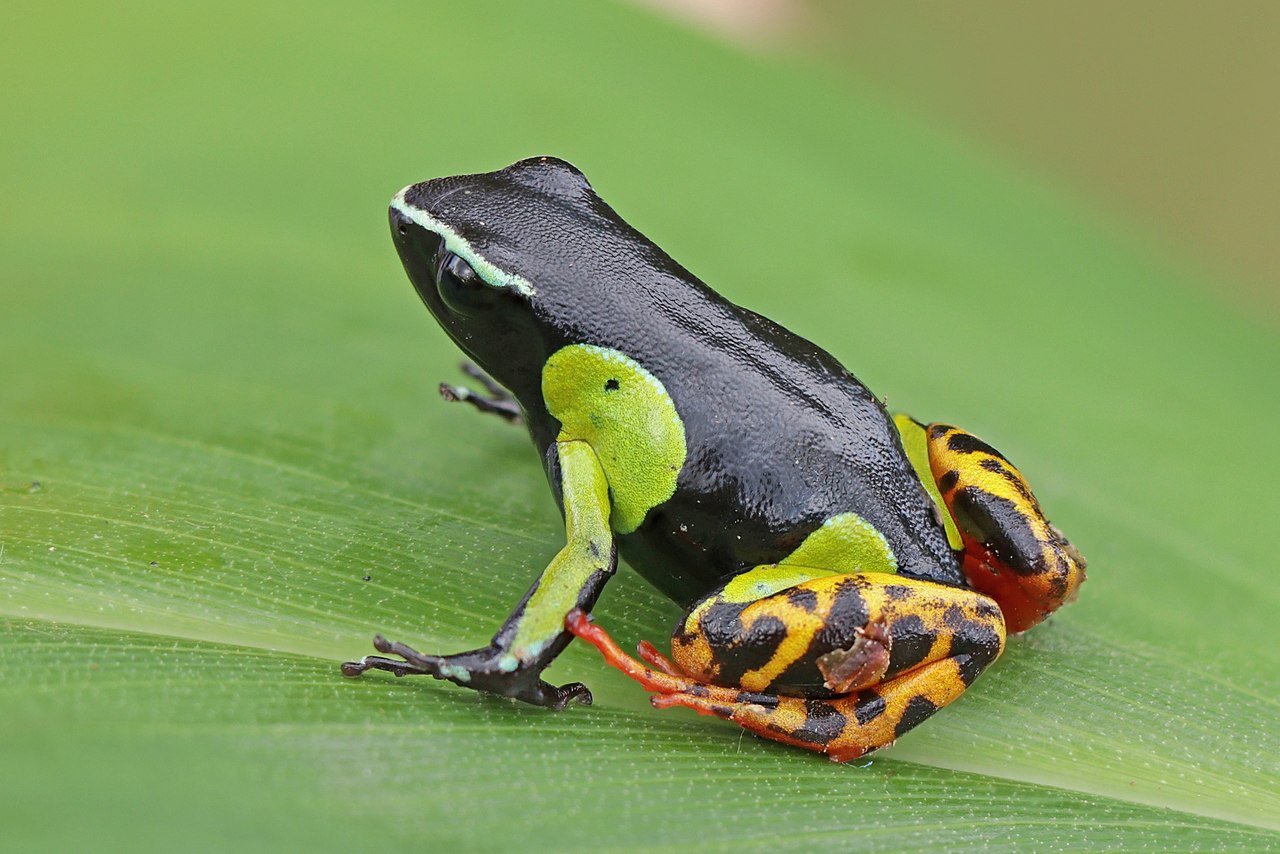
Characteristics
Parsley frogs are compact, smooth-skinned amphibians. Typical traits include a length rarely exceeding about 5 centimetres, slender limbs adapted for jumping rather than burrowing, and a coloration that ranges from drab browns to pale greens with speckling. Their anatomy and life history are typical of many small pond-breeding frogs, yet several skeletal and reproductive features set them apart.
- Small body size and smooth dorsal skin.
- Moderate hind limbs for hopping; not specialized for deep digging.
- Breeding in temporary or permanent shallow water bodies.
Distribution and habitat
These frogs occur mainly in southwestern Europe and across the Caucasus region. They occupy a variety of lowland and hilly habitats where standing or slow-moving water is available for breeding, including seasonal ponds, marshy fields and edges of streams. In their range they are often discreet and localized, favoring sheltered, vegetated aquatic sites.
Taxonomy and relationships
Parsley frogs belong to the family Pelodytidae within the broader grouping of frogs in the order Anura. Modern studies place them near other lineages such as the spadefoot toads and some Asian groups like the megophryids, though they remain distinct enough to be treated as their own family. The family contains only the genus Pelodytes, with a small number of living species; paleontological work has also revealed fossil taxa that help trace their evolutionary history.
Life cycle and behavior
Reproduction follows the common amphibian pattern: adults congregate at breeding pools where females lay strings or clumps of eggs, which hatch into tadpoles. Tadpoles usually feed on algae and detritus, metamorphosing into terrestrial juveniles in weeks to months depending on temperature and water permanence. Adults are primarily insectivorous, foraging for small invertebrates at night or during damp conditions.
Conservation and notable facts
Some parsley frog populations are stable while others have declined due to habitat loss, pollution, and changes in hydrology. Because they often rely on ephemeral wetlands, they are sensitive to land-use change and drainage. Interestingly, the family shows a modest fossil record and at times a greater number of described extinct taxa than living species, which has attracted interest from researchers studying amphibian diversity through time.
For further general information consult taxonomic or regional faunal resources: family overview, order context, or local conservation pages for southwestern Europe and the Caucasus.
Questions and answers
Q: What is the Parsley frog?
A: Parsley frog, also known as Pelodytidae, is a family of order Anura with just one genus, Pelodytes.
Q: Where do the Parsley frogs live?
A: Parsley frogs live in southwestern Europe and the Caucasus.
Q: What is the physical appearance of a parsley frog?
A: Parsley frogs are small, smooth-skinned frogs and they are typical looking frogs.
Q: What is the size of a Parsley frog?
A: The parsley frogs usually reach a length of 5 centimetres (2.0 inches).
Q: What are the relatives of Parsley frogs?
A: Parsley frogs are closely related to Spadefoot toads and Megophyrids.
Q: How many extinct species and genera are known of the Parsley frog family?
A: Parsley frog is one of the few families of frogs which have more known extinct species and genera (two or three) than living species.
Q: Do parsley frogs have multiple genuses?
A: No, parsley frogs have only one genus, Pelodytes.
Related articles
Author
AlegsaOnline.com Parsley frog (Pelodytidae) Leandro Alegsa
URL: https://en.alegsaonline.com/art/74811
Sources
- animaldiversity.ummz.umich.edu : "ADW: Pelodytidae: Information"