
Parsifal (Wagner)
Parsifal is Richard Wagner’s last completed music-drama, a three-act ‘stage-consecrating’ work drawn from medieval Grail legend and premiered at Bayreuth in 1882.
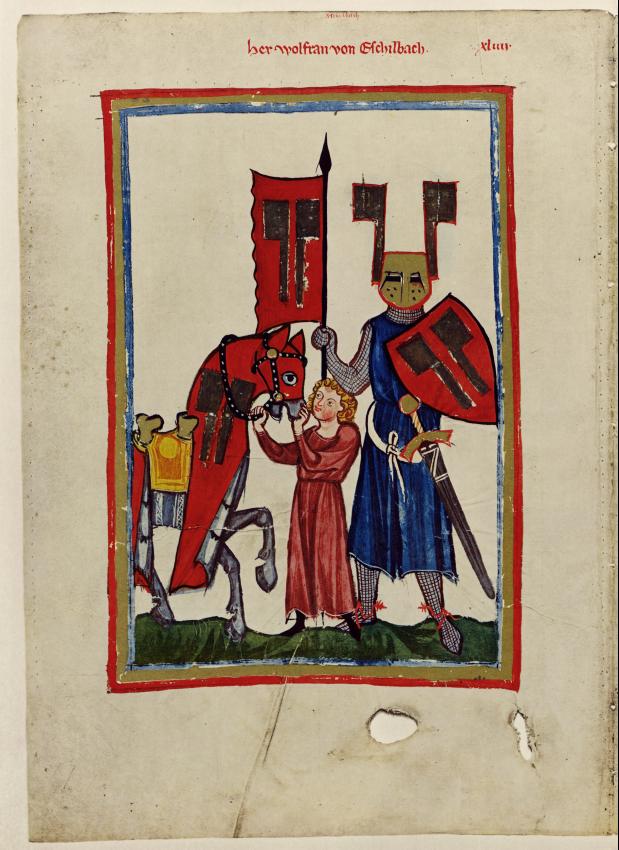
Parsifal is a music-drama in three acts by Richard Wagner, the last full-scale stage work he completed. Wagner wrote both the libretto and the music, drawing his primary narrative from the medieval epic Parzival by Wolfram von Eschenbach and from Arthurian legend. He described the work with the German label Bühnenweihfestspiel, usually translated as a “stage-consecrating festival play,” expressing his aim to create a ritual-like theatrical experience that combines myth, religious symbolism and music.
Image gallery
10 Images


Origins and composition
Wagner first conceived ideas for Parsifal in the late 1850s but returned to the project only after completing his monumental Ring cycle. The finished score was written with the acoustic and aesthetic requirements of the new Festspielhaus in Bayreuth in mind, a theatre Wagner had a major role in designing to realize his ideal of a unified dramatic and musical presentation. Parsifal premiered at Bayreuth in 1882 and was for many years closely associated with that festival and its specially tailored production conditions.
Structure and principal characters
The drama unfolds in three acts and centers on the figure of Parsifal (the innocent or “pure fool”), whose journey from ignorance to compassion brings healing to the knights of the Holy Grail. Principal roles commonly cited in synopses include:
- Parsifal — the protagonist, whose purity and eventual understanding of compassion lie at the heart of the drama;
- Amfortas — the wounded Grail-king, tormented by a grievous sin and an incurable wound;
- Kundry — an ambiguous, restless figure who alternately serves and tempts the Grail community;
- Gurnemanz — an elder knight who guides and instructs Parsifal; and
- Klingsor — a sorcerer and antagonist whose realm opposes the Grail community.
Musical and dramatic features
Parsifal is often noted for its concentrated, contemplative atmosphere and for the way Wagner adapts his mature harmonic language to solemn, liturgical textures. The score makes extensive use of recurring musical ideas or leitmotifs to bind drama and orchestra into a continuous narrative flow. Orchestral color, careful vocal writing for chorus and soloists, and long, unfolding musical phrases create a ritualistic feeling that distinguishes Parsifal from Wagner’s more overtly theatrical operas.
Reception, performance tradition and legacy
At its premiere Parsifal provoked a range of critical reactions, from admiration to perplexity. Over time it has been regarded by many as Wagner’s most inward-looking and spiritual work. Wagner envisioned Parsifal as especially tied to Bayreuth; for decades the festival maintained a distinctive, quasi-exclusive tradition of presenting the opera. Its place in cultural history became more complex in the 20th century, when performances and interpretations were affected by changing political contexts and by the varied ways artists and audiences approached its religious and ethical themes.
Musically, Parsifal influenced later composers and performers through its harmonic language, orchestral textures and thematic integration of drama and music. Directors and conductors continue to debate staging choices: whether to emphasize medieval, psychological, symbolic or ritual aspects of the text, and how to present Kundry’s ambiguous role and Parsifal’s transformation.
Further study and resources
For introductions, librettos, historical accounts and analyses, see the following resources:
- General overview of the work
- Biographical context on Richard Wagner
- The medieval poem Parzival
- Wolfram von Eschenbach: the poet
- Notes on the composition history
- Connections with the Ring cycle
- Bayreuth and the 1876 festival
- The Bayreuth Festspielhaus
- Premiering performances and critical reception
- Parsifal and the Arthurian tradition
Readers who wish to explore the opera further can consult musical scores, scholarly analyses and production histories. Scholarly work typically examines Parsifal’s textual sources, Wagner’s theological and philosophical references, performance practice at Bayreuth, and the opera’s long-term influence on theatrical and musical modernism.
Questions and answers
Q: What is Parsifal?
A: Parsifal is an opera in three acts by Richard Wagner.
Q: What is the source of the story of Parsifal?
A: Wagner took most of the story from a medieval poem Parzival by the German poet Wolfram von Eschenbach.
Q: Was Parsifal the last opera that Wagner completed?
A: Yes, Parsifal was the last opera that Wagner completed.
Q: When did Wagner start thinking about Parsifal?
A: Wagner started thinking about Parsifal in 1857.
Q: Which cycle of operas did Wagner finish before he started working on Parsifal?
A: Wagner finished the cycle of four operas known as the Ring Cycle before he started working on Parsifal.
Q: When was the first production of Parsifal?
A: The first production of Parsifal was in 1882.
Q: What are the Arthurian legends related to Parsifal?
A: The story of Parsifal is related to the Arthurian legends.
Related articles
Author
AlegsaOnline.com Parsifal (Wagner) Leandro Alegsa
URL: https://en.alegsaonline.com/art/74810