
Australian cinema: history, themes, and notable films
A concise survey of Australian cinema from its early 20th‑century origins through major movements, characteristic themes, notable films and filmmakers, and the industry’s contemporary context.
Overview
Australian cinema refers to the films produced, distributed and exhibited in Australia and to the body of work that reflects Australian society, landscape and identity. Its origins reach to the first decades of cinema: one of the earliest long-form fiction films was The Story of the Kelly Gang (1906). Over the following century the Australian screen has produced a wide range of work, from low‑budget independent features to internationally successful studio productions, and has been a training ground for actors and directors who later gained global recognition.
Image gallery
10 Images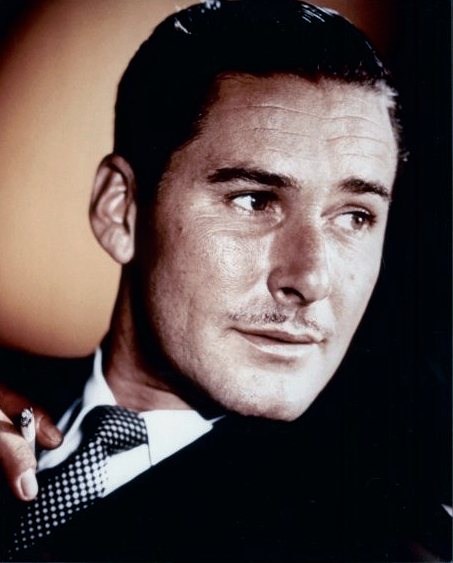





History and development
The industry experienced cycles of activity and decline. After the pioneering silent years there were periods of limited production, followed by major revivals driven by new creative movements, changing technologies and evolving public policy. From the 1970s onward government funding and specialized agencies helped rebuild a national cinema, encouraging local stories and investment in production. Festivals, film schools and television also played a role in nurturing talent and creating pathways to international co‑production.
Characteristics and themes
Australian films often engage with landscape and place, exploring the bush and the coast as settings that shape character and story. Questions of identity, colonial history, Indigenous experience and migration recur across genres. Filmmakers have mixed local realism with theatricality, dark humour and genre experimentation; this mix has produced both inward‑looking art cinema and broadly appealing popular films. Indigenous storytelling and collaborations with Aboriginal communities have become an increasingly visible and important strand of contemporary Australian cinema.
Notable films and makers
Australian cinema has generated both international hits and critically acclaimed works. A handful of well‑known titles and their creators illustrate the variety of the national output:
- The Story of the Kelly Gang — early narrative feature and a landmark in film history.
- Crocodile Dundee — a global commercial success associated with Paul Hogan.
- Moulin Rouge! — a stylized musical directed by Baz Luhrmann that reached wide international audiences.
- Babe — a family film notable for its technical craft and popular appeal.
- Picnic at Hanging Rock and Gallipoli — films that examine history and myth in distinctive cinematic ways.
- The Tracker, Shine and Ten Canoes — examples of contemporary films that received critical attention for their storytelling and cultural focus.
Notable performers
Many actors who trained or began their careers in Australia later achieved international prominence. Examples include:
- Errol Flynn
- Peter Finch
- Rod Taylor
- Mel Gibson
- Nicole Kidman
- Hugh Jackman
- Russell Crowe
- Cate Blanchett
- Heath Ledger
These names reflect the industry’s role as a launching pad: many performers move between Australian and international projects, bringing visibility back to local productions.
Contemporary context and significance
Today Australian cinema exists within a global market shaped by international co‑production, streaming platforms and festival circuits. Public funding, tax incentives and state institutions remain important for projects that might not be commercially viable alone. The industry continues to value stories that interrogate national identity, amplify Indigenous voices and respond to changing audiences. Film festivals, university programs and community initiatives help sustain a diverse film culture that balances local specificity with global exchange.
Questions and answers
Q: What does the term "Cinema of Australia" mean?
A: The term "Cinema of Australia" refers to the system of production, distribution, and showing of movies in Australia.
Q: When did making movies in Australia begin?
A: Making movies in Australia began in 1906.
Q: What was the earliest feature movie ever made in Australia?
A: The earliest feature movie ever made in Australia was The Story of the Kelly Gang.
Q: Have many movies been made in Australia since the first movie in 1906?
A: Yes, many movies have been made in Australia since the first movie in 1906.
Q: Have any Australian movies received international praise?
A: Yes, many Australian movies have received international praise.
Q: Who are some famous Australian actors that started their careers in Australian movies?
A: Some famous Australian actors that started their careers in Australian movies include Mel Gibson, Nicole Kidman, Hugh Jackman, Russell Crowe, Cate Blanchett, and Heath Ledger.
Q: What are some commercially successful Australian movies?
A: Some commercially successful Australian movies include Crocodile Dundee, Moulin Rouge!, and Babe.
Related articles
Author
AlegsaOnline.com Australian cinema: history, themes, and notable films Leandro Alegsa
URL: https://en.alegsaonline.com/art/7474
Sources
- australiamovie.net : AUSTRALIA – A Baz Luhrmann Film » Second Highest Grossing Australian Film of All Time
- variety.com : "Hollywood stuffs Thanksgiving slate"