
Parking: types, rules, history and urban planning
Comprehensive overview of parking — where and how vehicles are left, common types, legal rules and enforcement, design considerations, and modern technology affecting parking behavior.
Overview
Parking a vehicle means bringing a vehicle to a stop and leaving it unattended for a period. It is a routine part of road use and everyday mobility, but its practice involves more than simply stopping: time limits, permitted locations and vehicle types can all affect whether parking is lawful and safe. Drivers and vehicle owners should be aware of local rules before leaving a vehicle, since failure to comply is commonly met with penalties.
Image gallery
10 Images



Common types and typical locations
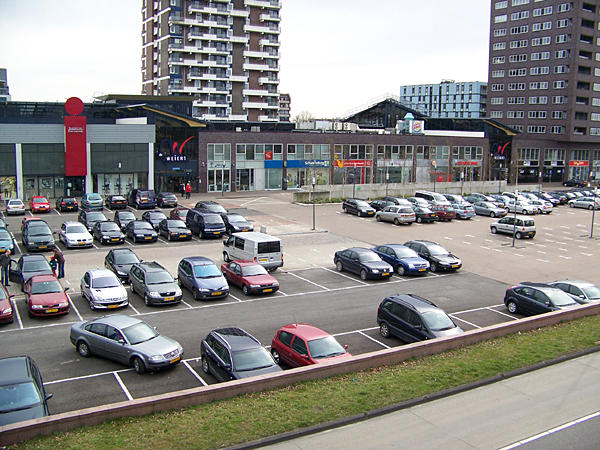
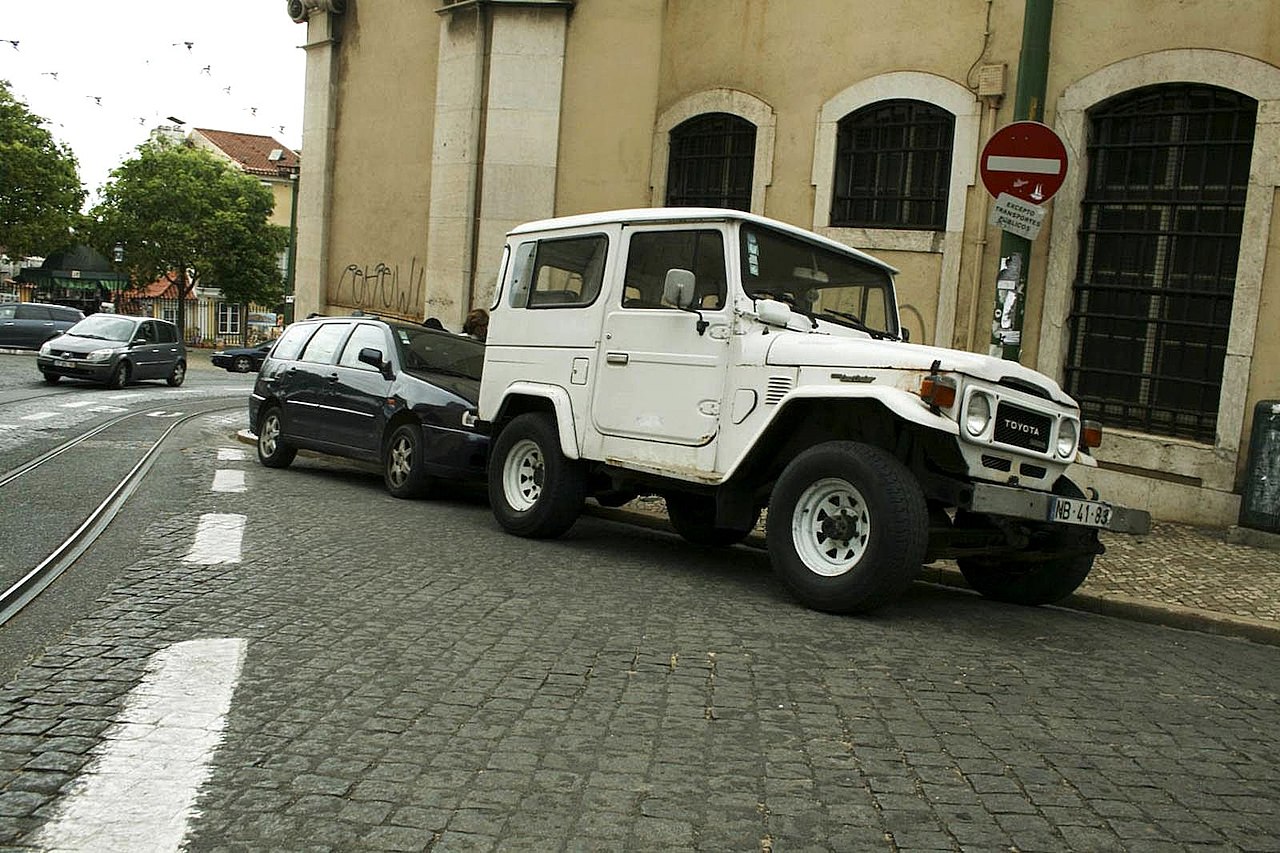
Parking occurs in many settings and formats. Typical parking locations include private driveways, dedicated parking lots, multi-storey or attached garages, and on-street spaces along the side of the street. Each setting has different markings, access arrangements and expectations of length of stay.
- On-street: marked bays, meter zones, residential permit zones.
- Off-street: surface lots and structured garages, often managed by businesses or municipalities.
- Private: driveways and private parking areas reserved for specific owners or tenants.
- Specialized: spaces for motorcycles, bicycles, electric vehicle charging, and accessible parking for people with disabilities.
Regulation, enforcement and consequences
Laws and traffic regulations define where and when parking is allowed. A permitted place may be temporary or conditional — for example, time-limited bays or loading-only areas. If a motorist or driver parks illegally, common responses include a monetary fine, issuance of a parking ticket, immobilization of the vehicle such as clamping (wheel clamps), or removal/towing in more serious cases. Rules differ between countries and municipalities, so local signage and road markings must be followed.
Practical considerations and techniques
Effective parking balances convenience, safety and compliance. Common techniques include angle, perpendicular and parallel parking; larger vehicles require more clearance and often cannot use standard on-street bays. Drivers should look for signage, pavement markings and curb colors that indicate restrictions, and take care to avoid obstructing pedestrian ways such as sidewalks, which is often prohibited. When parking in public facilities, users should note payment requirements, opening hours and any height or weight restrictions for structures.
Planning, design and technological trends
Parking influences urban design and transport patterns. Cities plan for parking supply to support businesses, residential areas and transit hubs while managing congestion and land use. Technological advances have altered how people find and pay for spaces: digital maps and smartphone apps can show available spots, while sensors, automated garages and payment systems reduce time spent searching. These tools are shaping both private services and municipal parking management.
Distinctions and notable facts
Not all parking is equal: accessible parking, short-term loading zones and emergency vehicle areas carry special legal protections. Parking rules are part of wider traffic regulation frameworks and frequently reflect policy goals such as promoting public transport or reducing street congestion. For reliable guidance in a particular area consult local transport authorities or parking guides, or follow official signage and meters when present. Additional resources and municipal pages can offer detailed local rules and enforcement procedures: general parking guidance, driver resources, penalty information, immobilization policies, parking lot standards, garage guidelines and on-street regulations.
Questions and answers
Q: What is parking?
A: Parking is the act of stopping a vehicle and leaving it somewhere.
Q: Why is it important to make sure that the vehicle is parked somewhere where parking is allowed?
A: It is important to make sure that the vehicle is parked somewhere where parking is allowed to avoid having to pay a fine or having the vehicle clamped.
Q: Where are cars usually parked?
A: Cars are usually parked in driveways, parking lots, garages, or on the side of the street.
Q: Is parking a car easier than parking a large vehicle such as a lorry or a coach?
A: Yes, parking a car is easier than parking a large vehicle such as a lorry or a coach.
Q: Where do large vehicles such as lorries or coaches often have to park?
A: Large vehicles such as lorries or coaches often have to go to special parks.
Q: Are rules about parking part of traffic rules?
A: Yes, rules about parking are part of traffic rules.
Q: Is it legal to park on the sidewalk?
A: No, it is illegal to park on the sidewalk.
Related articles
Author
AlegsaOnline.com Parking: types, rules, history and urban planning Leandro Alegsa
URL: https://en.alegsaonline.com/art/74723