
Parchment — animal-skin writing material (vellum, manuscripts, Torah)
Parchment is a durable writing surface made from specially prepared animal skins. Historically used for manuscripts, legal deeds and scrolls, it differs from leather and survives in many cultural traditions.
Overview
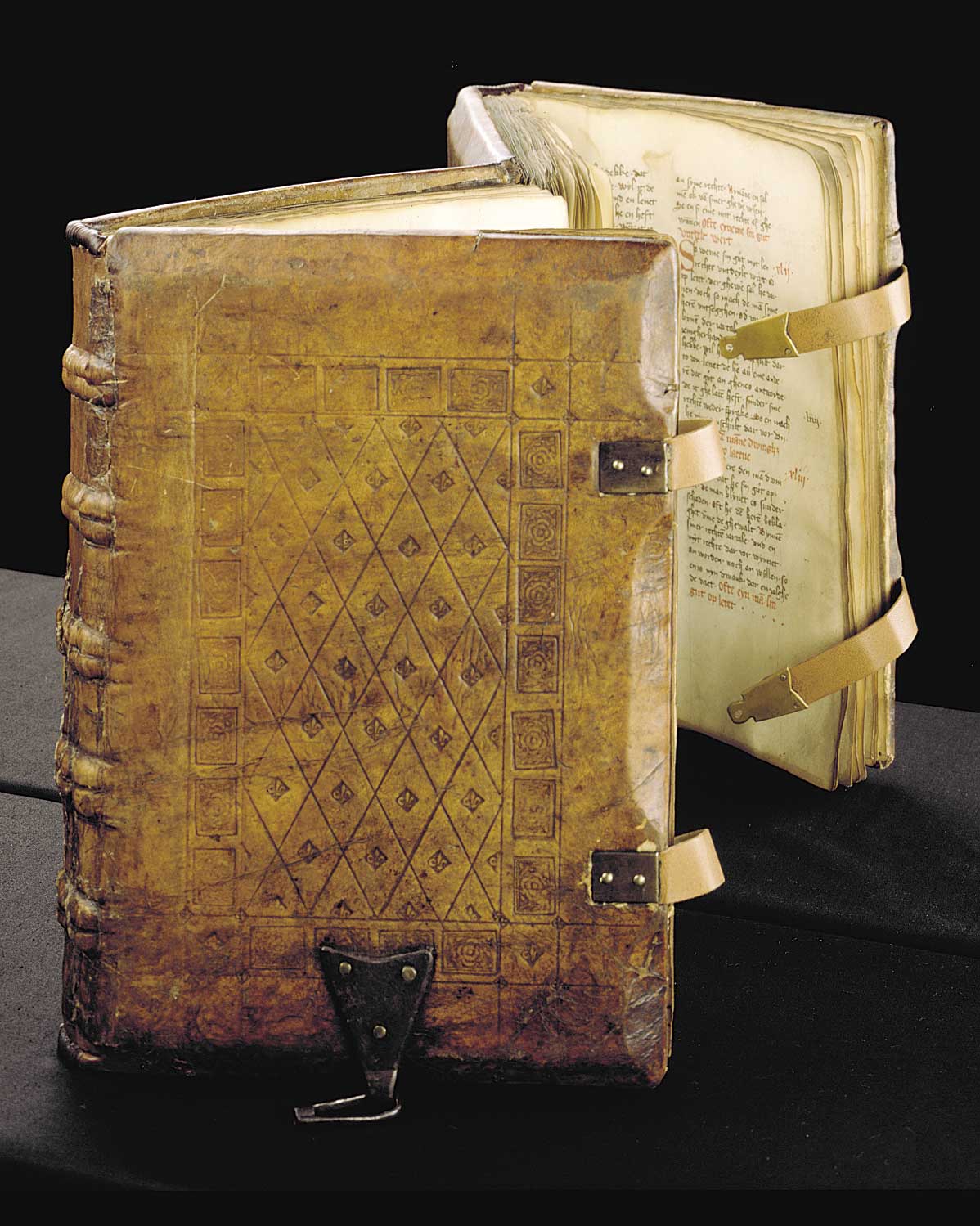
Parchment is a thin sheet produced from animal hide, prepared to serve as a stable surface for writing, drawing or binding. It was the predominant medium for book pages and documents in many cultures before paper became widespread. High-quality parchment is often called vellum, typically made from calfskin, while other parchments derive from goat or sheep skins.
Image gallery
7 Images



Characteristics and manufacture
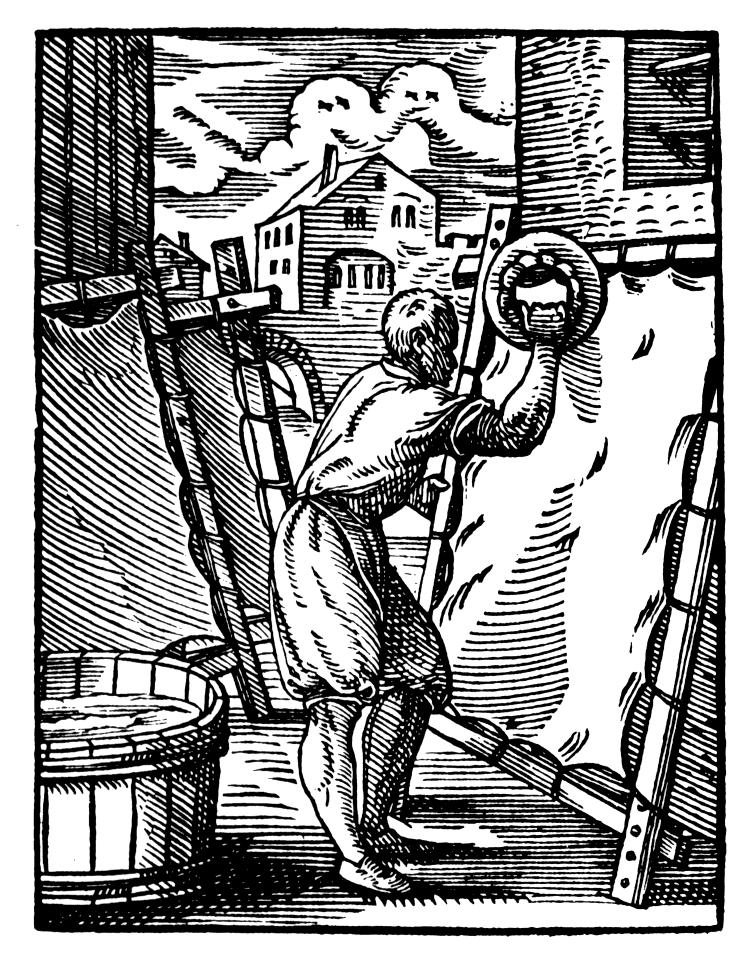
Unlike leather, which is tanned, parchment is limed and dried without tanning. The process makes the fibers close together and produces a smooth, pale surface that accepts ink and pigments well. Typical manufacturing steps include:
- Soaking in a lime solution to loosen hair and fats.
- Hair removal and systematic scraping to reach uniform thickness.
- Stretching the skin on a wooden frame and drying under tension.
- Smoothing with pumice and treating with chalk or other substances to improve writing quality.
The result is a durable, flexible sheet that can be ruled, written on, illuminated, and even erased and reused in the form of a palimpsest.
History and development
Preparations of animal skins for writing appear in antiquity and were used extensively across the Mediterranean and Europe through the medieval period. Production centers and techniques varied regionally; the word "parchment" is traditionally linked to the ancient city of Pergamon, though the art developed in many places. From the Middle Ages until the later medieval adoption of paper, parchment was the standard for codices, official registers and religious books.

Uses, examples and cultural importance
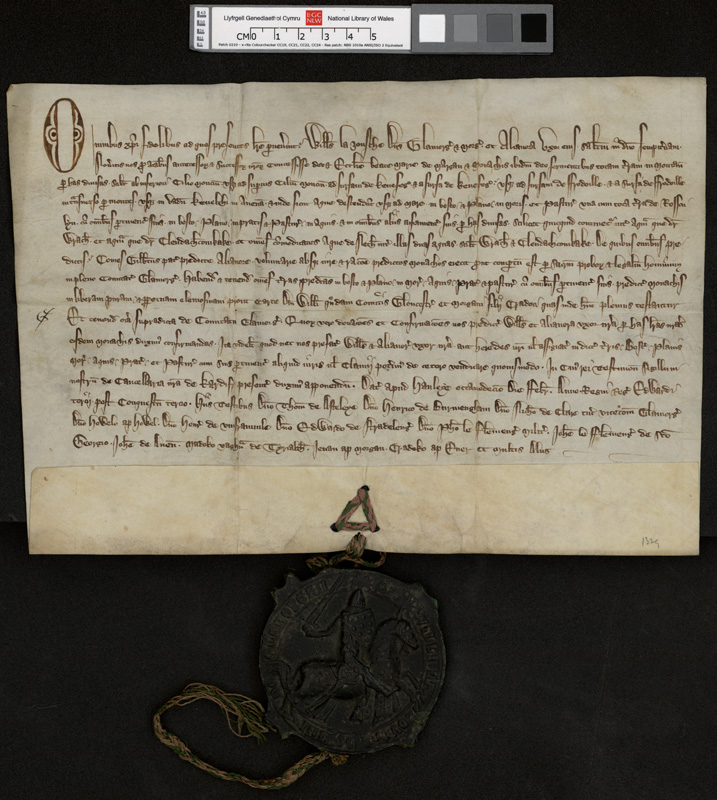
Parchment was chosen for important and long-lasting texts: illuminated manuscripts, charters and legal instruments, and sacred scrolls. An example of documentary use is a 17th‑century legal deed written on fine parchment or vellum. In Judaism, a Sefer Torah is traditionally written on specially prepared parchment and contains the text of the Hebrew Bible. These applications reflect the material's authority, longevity and suitability for ritual and archival use.

Conservation and modern practice
Parchment survives centuries if stored in stable environmental conditions, but it is sensitive to humidity, pollutants and mechanical stress. Conservators use specialized methods to flatten, humidify and repair sheets. Today parchment is still made by specialists for restorations, calligraphy, diplomas and traditional religious practice; artists and bookbinders also value it for its unique tactile and optical qualities.

Notable distinctions
Important differences to note: parchment is not tanned leather; vellum denotes finer grade material; and a palimpsest is a reused parchment where earlier writing has been removed. Because of its longevity, parchment remains a key source for historians, codicologists and conservators studying texts that predate or complement the era of paper.
Questions and answers
Q: What is parchment?
A: Parchment is a thin material made from animal skin, commonly used for writing on.
Q: How is parchment different to leather?
A: Parchment is limed but not tanned, whereas leather is tanned.
Q: What are the better qualities of parchment called?
A: The better qualities of parchment are named vellum.
Q: Where does Central European type of finished parchment come from?
A: Central European type of finished parchment is made of goatskin stretched on a wooden frame.
Q: When was an English deed written on fine parchment or vellum with seal tag dated?
A: An English deed written on fine parchment or vellum with seal tag was dated 1638.
Q: What form does the Hebrew Bible take?
A: The Hebrew Bible takes the form of a scroll of parchment known as a Sefer Torah.
Author
AlegsaOnline.com Parchment — animal-skin writing material (vellum, manuscripts, Torah) Leandro Alegsa
URL: https://en.alegsaonline.com/art/74608