
Paradise Lost (epic poem by John Milton)
Paradise Lost is John Milton's 17th-century epic in blank verse about the Fall of Man. It combines classical epic form with Christian themes and has had deep influence on English literature and thought.
Overview
Paradise Lost is a major English epic poem by John Milton. Written in the mid-17th century and first printed in 1667, it tells a theological and imaginative version of humanity's origin of sin, drawing on the Christian tradition and biblical narratives. A revised edition appeared in 1674. Much of the work was produced after Milton lost his sight and was dictated to aides.
Image gallery
10 Images
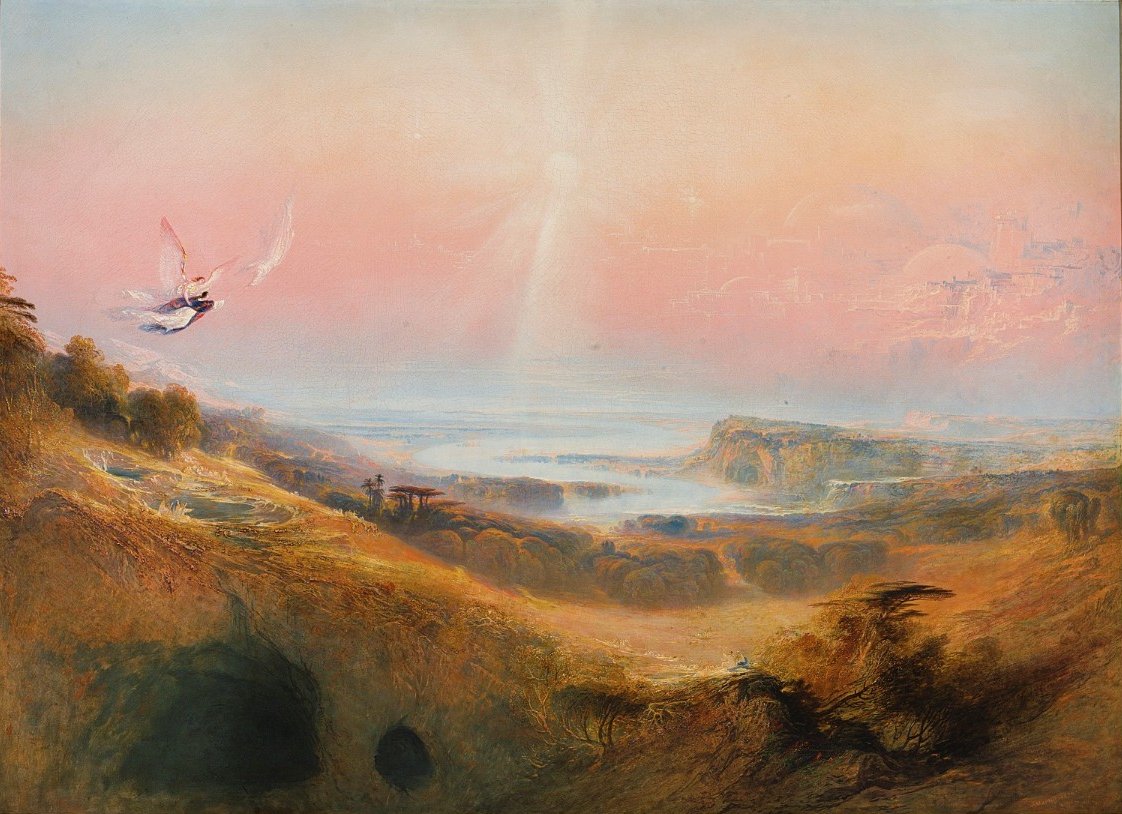


Subject and narrative
The poem recounts the Fall of Man and the events leading up to it: the rebellion of the angels, the temptation of Adam and Eve, and their expulsion from the Garden of Eden. It also dramatizes the motives and experience of the rebel leader, often identified as Satan / Lucifer, and the aftermath for both heaven and earth. Although the story is rooted in Scripture, Milton treats it with the scope and techniques of classical epic.
Composition and publication
Milton began composition well before the 1667 publication; the poem was later reorganized from its original ten-book form into twelve books in the 1674 edition. The circumstances of its composition — political upheaval in England, Milton's personal misfortunes, and his blindness — shaped its voice and moral urgency. He relied on memory, classical models, and a wide range of theological sources as he dictated the poem.
Style and structure
Paradise Lost is written in unrhymed iambic pentameter, commonly called blank verse, and opens with an epic invocation. Milton adapts epic conventions such as the catalogue, epic simile, and long rhetorical speeches to a Christian subject. His language mixes lofty diction, syntactic inversion, and dense theological argument, producing a measured but powerful narrative energy.
Themes, interpretations and influence
Major themes include free will and predestination, obedience and rebellion, the nature of evil, and the justice and mercy of God. Critics and readers have debated whether aspects of the poem sympathize with the rebel angels or emphasize divine sovereignty. Its portrayal of fallen beings and human responsibility stimulated centuries of commentary and imaginative responses.
- Stylistic features: extended similes, rhetorical speeches, and epic scope.
- Interpretive legacy: discussed by poets and philosophers from the Romantics onward.
- Cultural impact: frequent source for later literature, art, and theological debate.
For students and general readers, Paradise Lost remains central to the English canon for its fusion of classical form with Christian subject matter and for its ambitious attempt to "justify the ways of God to men." It continues to be studied for its moral complexity, formal innovation, and influence on later writers and thinkers. Further reading and scholarly editions may be found through reference collections and modern critical commentaries (fallen angels studies, comparative epic studies, and annotated texts).
Notable topics to explore further include Milton's theological sources, the poem's rhetorical techniques, and its reception history — from initial reviews to its role in shaping later poetic traditions.
Questions and answers
Q: Who is the author of Paradise Lost?
A: The author of Paradise Lost is John Milton.
Q: When was Paradise Lost printed?
A: Paradise Lost was printed in 1667, though it was written nearly ten years earlier.
Q: When was the second part of Paradise Lost printed?
A: The second part of Paradise Lost was printed in 1674.
Q: When did Milton write most of Paradise Lost?
A: Most of Paradise Lost was written after Milton became blind.
Q: What is Paradise Lost about?
A: Paradise Lost is about the Christian story of the Fall of Man, which includes how Adam and Eve were expelled from the Garden of Eden, as well as the story of the fallen angel Lucifer.
Q: What type of poem is Paradise Lost?
A: Paradise Lost is an epic poem in blank verse.
Q: Why is Paradise Lost considered one of the greatest works of English literature?
A: Paradise Lost is widely regarded as one of the greatest works of English literature due to its literary excellence, its theological depth, its exploration of some of humanity's most enduring themes, and its profound influence on subsequent writers and thinkers.
Related articles
Author
AlegsaOnline.com Paradise Lost (epic poem by John Milton) Leandro Alegsa
URL: https://en.alegsaonline.com/art/74505
Sources
- dartmouth.edu : "Paradise Lost: Introduction"
- paradiselost3.com : Discussion and Information Forum