
Para‑alpine skiing classification: categories, history and competition rules
Overview of the classification system used to group para‑alpine skiers by functional ability and vision, its evolution, equipment, competition rules and the role of governing bodies.
Para‑alpine skiing classification is the system used to group athletes with physical or visual impairments so that alpine ski races are competitive and fair. Instead of a single roster of disability types, athletes are assessed and placed in classes that reflect how their impairment affects skiing performance. Classification affects standing, sitting and visually impaired competition, the equipment permitted, and the way results are adjusted so athletes with different impairments can compete in the same event.
Image gallery
10 Images







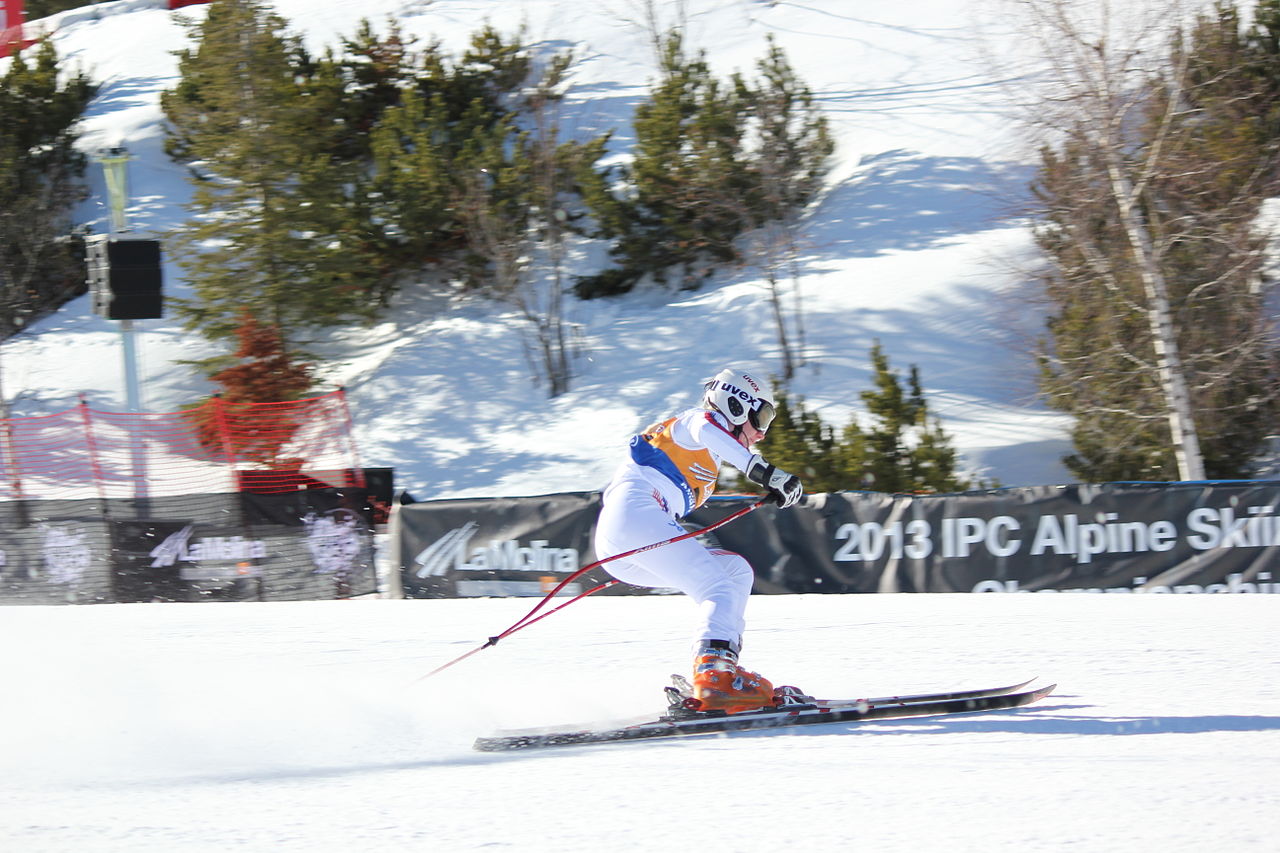

Core categories and how athletes are classified
Most para‑alpine systems divide competitors into three broad categories: standing, sitting and visually impaired. Standing classes include athletes who ski using prostheses, orthoses or adapted pole/forearm equipment and may have single or double leg impairments, arm impairments, or coordination conditions. Sitting classes are for athletes who use sit‑skis (often called mono‑skis) because of lower‑limb paralysis, double leg amputation, or other impairments that prevent safe standing skiing. Visually impaired classes cover a spectrum of vision loss and are commonly grouped into B1 (no useful vision) through B3 (partial sight) classifications.

Classification is sport‑specific and generally includes a medical review and a functional assessment on and off snow. For standing skiers this assessment considers balance, muscle strength, coordination and the ability to edge and turn. For sitting skiers it evaluates trunk control and stability. Visually impaired athletes are classified by visual acuity and field of vision measurements. In multi‑class races, a time‑factoring or percentage system is often applied to finish times to account for differences between classes, producing adjusted results used to determine final placings.
Equipment and race rules
Adaptive equipment is integral to classification and competition. Sitting athletes use a mono‑ski — a molded seat mounted on a single ski with a shock‑absorbing suspension — and often employ outriggers (short forearm crutches with small skis) for balance and steering. Standing athletes may use prosthetic limbs, outriggers, one ski, or ski poles adapted to their needs. Visually impaired skiers compete with a sighted guide who skis ahead or beside them and communicates course information through voice, radio or tether; the guide and athlete form a team in medal events.

- Mono‑ski: standard equipment for sitting classes; required for sit‑ski events. Mono‑ski resources
- Outriggers and poles: aid balance, turning and braking for standing and sitting athletes
- Guide systems: essential for visually impaired classes; guide and skier coordination is trained and adjudicated

History and governance
Classification in para‑alpine skiing developed from the early adaptive skiing efforts of the 1960s in Scandinavia and elsewhere. Early schemes were primarily medical, grouping athletes by diagnosis rather than by skiing function. At the first Winter Paralympics in 1976, only a small number of classes existed; through the 1980s and 1990s the system shifted toward functional assessment, influenced by other adaptive sports and by specialist organisations for athletes with cerebral palsy, visual impairment and spinal injuries. Today the International Paralympic Committee (IPC) oversees alpine skiing classification policies, while technical race rules are adapted from or aligned with the International Ski Federation (FIS). Historical and specialist organisations that contributed to the development of classification include the International Sports Organization for the Disabled, the International Blind Sports Federation and disability‑specific bodies.

Competition examples, distinction and notable facts
Major events such as the Winter Paralympic Games and World Para Alpine Skiing Championships use the classification system to structure medal events and to apply time‑factoring where different classes race together. The use of guides in visually impaired events is one of the most visible distinctions: the guide may receive a medal alongside the athlete when the team places. The number of medal events has been managed over time by consolidating classes to maintain competitive fields while preserving fair competition.

Classification remains both a technical and evolving area: rules are periodically reviewed to reflect advances in equipment, prosthetic technology, and scientific understanding of how specific impairments affect skiing. Athletes and national federations must undergo classification processes before major competitions, and classifications can be subject to review when an athlete’s condition or functional ability changes.

Resources and organisations
For information and event entry, athletes and coaches typically consult the IPC’s alpine skiing committee and national Paralympic committees; technical rules are coordinated with international ski rule frameworks. Specialist organisations and programmes also provide classification or competition opportunities: Special Olympics runs its own adapted skiing events, while classification for visual impairments is guided by standards used by blind sports federations. For historical background, disability sport archives and governing body pages include summaries of the evolution of classification systems. Practical guides to equipment and sit‑ski technique are available through coaching resources and manufacturers — a typical starting point is an introductory technical resource such as adaptive skiing guides or mono‑ski suppliers and clinics (equipment overview).

In summary, para‑alpine skiing classification seeks to balance fairness and competitive opportunity by grouping athletes according to how impairments affect skiing performance, aligning medical assessment with functional testing and using equipment and time‑adjustment mechanisms to enable meaningful competition across a wide range of physical and visual abilities.
Questions and answers
Q: What is para-alpine skiing classification?
A: Para-alpine skiing classification is the order system for para-Alpine skiing designed to give equal competition between alpine skiers with different types of limited physical powers.
Q: Who developed the first order systems for para-alpine skiing?
A: The first order systems for para-alpine sking were made in Scandinavia in the 1960s.
Q: What was the purpose of these early order systems?
A: The purpose of the early order systems was to be made around use of arms and legs but ended up being a medical order system.
Q: How many groups existed at the first Winter Paralympics in 1976?
A: At the first Winter Paralympics in 1976, there were two groups in the system of ordering for the sport.
Q: How have efforts been made to improve classification since then?
A: Since then, efforts have been made to make better the doing work well of order by making fewer the number of classes so fewer medals can be rewarded.
Q: What are guides used for skiers with seeing problems?
A: Guides are used to help skiers with seeing problems down the mountain.
Q: How do seated skiers move over snow quickly?
A Seated skiers use a specially designed ski called a mono-ski to move over snow quickly.
Related articles
Author
AlegsaOnline.com Para‑alpine skiing classification: categories, history and competition rules Leandro Alegsa
URL: https://en.alegsaonline.com/art/74471
Sources
- ausport.hosting.libero.com.au : Alpine Skiing Technical Manual
- worldcat.org : 716890782
- books.google.com : Adapted Physical Education and Sport
- worldcat.org : 220878468
- worldcat.org : 31710003
- secure.ausport.gov.au : Australian Paralympic Committee : media guide Vancouver 2010, 12-21 March
- books.google.com : Adapted Physical Education and Sport