
Pan's Labyrinth (El laberinto del fauno) — Guillermo del Toro’s 2006 dark fantasy
Overview of Pan’s Labyrinth (El laberinto del fauno): plot, themes, production, release, reception and legacy of Guillermo del Toro’s 2006 Spanish‑language dark fantasy set against post‑Civil War Spain.
Pan's Labyrinth (Spanish: El laberinto del fauno) is a 2006 Spanish‑language dark fantasy film written and directed by Mexican filmmaker Guillermo del Toro. The film interweaves a bleak historical drama with an elaborate fantastical narrative, following a young girl named Ofelia who encounters a mysterious faun and is given three tasks that blur the boundary between play and ritual. The work has been widely described as a modern fable that reworks fairy‑tale motifs within the moral and political devastation of post‑Civil War Spain.
Image gallery
3 Images
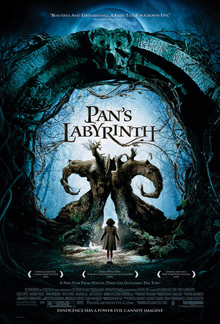
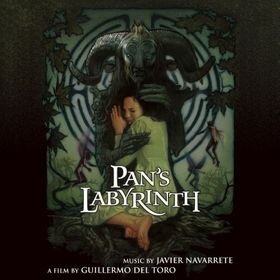
Plot and narrative structure
The narrative operates on two levels. In the realist strand, the story is set in rural Spain in the aftermath of the Spanish Civil War: Ofelia arrives at a military outpost with her pregnant mother, who is cared for by a stern officer, Captain Vidal, a representative of the Francoist authorities. Resistance fighters known as the Maquis operate in the surrounding hills, and tensions between ideology, duty and conscience shape everyday survival. In the fantastic strand, Ofelia discovers an overgrown labyrinth and a faun who tells her she is a displaced princess; to return to her realm she must complete a sequence of tasks. The film repeatedly cross‑cuts the two realms, so that actions in each reflect and comment upon one another.
Main characters and cast
Ofelia, the child protagonist, is portrayed with a sense of stubborn imagination and vulnerability. Her stepfather, Captain Vidal, embodies authoritarian cruelty and an obsession with order. Mercedes, a housekeeper and a double agent of sorts, provides a sympathetic adult counterpoint and moral courage. The faun and other fantastic creatures, including the memorable Pale Man, function as ambiguous guides and threats. Notable performers in principal roles include Ivana Baquero, Sergi López and Maribel Verdú, among others.
Themes, symbols and style
Del Toro framed the film as a fable influenced by folklore and classical myth. Key themes include the loss of innocence, the ethics of resistance, and the power of stories to shelter and challenge. The labyrinth symbolizes a rite of passage and the search for identity, while the faun figures as an intermediary who is at once ancient and morally opaque. The film balances tender childlike wonder and brutal realism, asking whether imagination is escapism, survival strategy, or a way to confront atrocity.
Production, design and effects
Pan's Labyrinth is notable for its production design and the hybrid use of practical effects and digital enhancement. Del Toro favored tangible, on‑set creatures made with makeup, prosthetics and puppetry, later augmented with CGI where required to convey scale or complex movement. The film’s visual palette contrasts the muted, oppressive tones of the military compound with the textured, vegetal tones of the labyrinth and its creatures. Cinematography, set design and a haunting score work together to create a distinct, immersive atmosphere.
Release, reception and awards
The film premiered at international festivals in 2006 and reached wider audiences later that year and into early 2007. Critics praised its imaginative force, technical craft and emotional depth; audiences and scholars have discussed its genre blending and political resonance. It won several major international awards, including three Academy Awards, national honors in Spain and genre recognition such as a Hugo Award, and it remains one of del Toro’s most acclaimed films.
Legacy and interpretation
Pan's Labyrinth is frequently studied as an example of how fantasy can engage with historical trauma. It is often compared with other works by del Toro that treat childhood under duress and the presence of monsters as reflective of real‑world evils. Scholars and critics continue to debate the film’s ambiguous ending and the degree to which the fantasy world is literal, symbolic or subjective. Its influence can be seen in later films and literature that mix political history with folklore and dark fairy‑tale forms.
Further reading and resources
- Original Spanish title and translation
- Overview of major awards
- Biography of Guillermo del Toro
- Director's filmography and career
- Historical context: Spain in the 1940s
- Mythology: fauns, satyrs and pastoral figures
- The Maquis and guerrilla resistance movements
- Francoist Spain: political background and repression
- Labyrinth motifs in literature and art
- Special effects: puppetry, prosthetics and CGI
- Del Toro on fables and narrative form
- Fairy‑tale influences and sources
- Classical and Roman mythological references
- Translation and titling considerations
- The figure of Pan in cultural history
- Distinctions between Pan and fauns in myth
- United Kingdom release and reception
- Contemporary release dates and festival screenings
- Year of initial premiere and release history
- United States release history and distribution
- Canadian release and reception
- Limited release strategy and rollout
- National and international distribution notes
- Critical essays and academic commentary
- Genre awards and science‑fiction/fantasy recognition
Questions and answers
Q: What is the title of the movie?
A: The movie is titled Pan's Labyrinth.
Q: Who wrote and directed the movie?
A: The movie was written and directed by Mexican filmmaker Guillermo del Toro.
Q: When was the movie released in the United States?
A: The movie was given a limited release in the United States on December 29, 2006, with a nationwide release on January 19, 2007.
Q: What type of setting does Pan's Labyrinth take place in?
A: Pan's Labyrinth takes place in two settings - one "real world" set in Spain during 1944, and another secret "fantasy world" that Ofelia enters through an overgrown labyrinth garden.
Q: What awards has Pan's Labyrinth won?
A: Pan's Labyrinth has won numerous international awards, including three Academy Awards, the Ariel Award for Best Picture, and the 2007 Hugo Award for Best Dramatic Presentation, Long Form.
Q: Is there any relation between this film and Del Toro's earlier work The Devil's Backbone?
A: Yes - Del Toro has stated that Pan's Labyrinth focuses on and continues themes related to his earlier movie The Devil’s Backbone; it is considered a spiritual sequel though not an actual sequel.
Related articles
Author
AlegsaOnline.com Pan's Labyrinth (El laberinto del fauno) — Guillermo del Toro’s 2006 dark fantasy Leandro Alegsa
URL: https://en.alegsaonline.com/art/74387
Sources
- bbfc.co.uk : "EL LABERINTO DEL FAUNO – PAN'S LABYRINTH (15)"
- mcu.es : "EL LABERINTO DEL FAUNO"
- boxofficemojo.com : "Pan's Labyrinth (2006) - Box Office Mojo" · web.archive.org
- newtimesslo.com : "Amazing journey: Fantasy both frightening and beautiful lurks in this award-winning labyrinth"
- scifi.com : "Guillermo del Toro and Ivana Baquero escape from a civil war into the fairytale land of Pan's Labyrinth"