
Panic of 1873: causes, course, and international consequences
A major 19th-century financial crisis that triggered a prolonged economic downturn across Europe and North America, linked to speculative bubbles, bank failures and monetary strains.
Overview
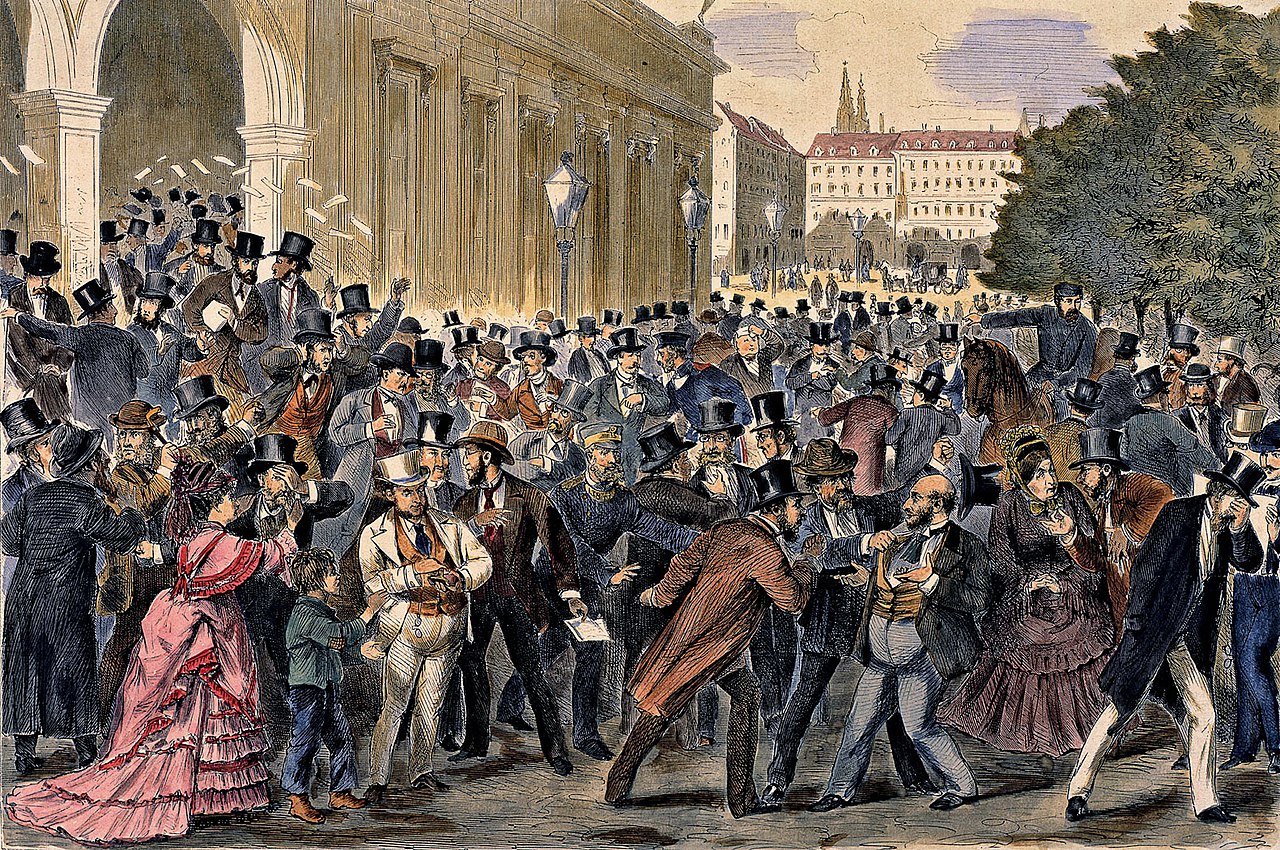
The Panic of 1873 was a widespread financial crisis that began in 1873 and precipitated an extended economic downturn across Europe and North America. The shock followed the collapse of a prominent investment firm in the United States and coincided with banking and stock-market failures in Europe. The contraction of credit and falling prices that followed produced several years of slow growth, higher unemployment and political reactions in many countries. Contemporary and later writers described these events as a severe depression; in the United States the episode was often called the "Great Depression" until the 1930s redefined that label. For more on the broader economic context, see financial crisis.
Image gallery
3 Images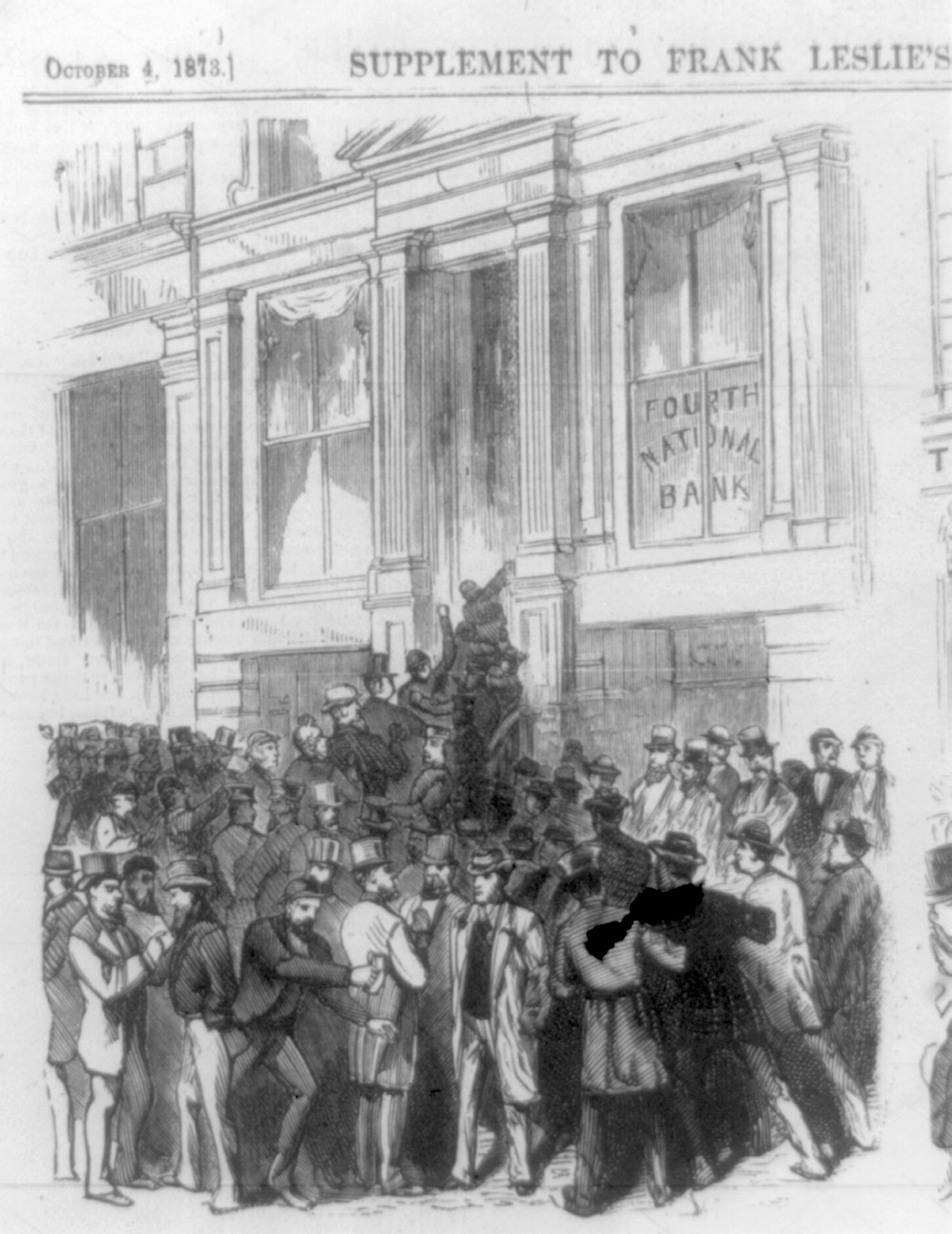

Primary causes
The crisis had multiple interacting causes rather than a single trigger. Key factors commonly cited by historians include:
- Speculative investment booms, particularly in railroad construction and related securities, which left many firms overextended.
- The failure of large financial houses—most notably an influential U.S. bank whose collapse removed a major source of liquidity and confidence.
- International capital flows and an increasingly integrated money market that transmitted problems between New York, London, Vienna and other centers.
- Monetary strains associated with the post-war return to metallic standards and changes in the supply of gold and silver that tightened credit in some countries.
Consequences and course
The immediate result was a sharp contraction of credit, bankruptcies among railroads and manufacturing firms, and a run on some banks. Many economies experienced price deflation and an extended period of subpar growth. In Britain the episode is often associated with a longer period of weak expansion known as the "Long Depression," which altered perceptions of British economic leadership and industrial dynamics Long Depression. In the United States the slump persisted through much of the 1870s and reshaped political debates about currency, banking and government relief Great Depression.
Responses and legacy
Governments and central banks responded in varied ways: some tightened monetary policy to defend currencies, others debated bimetallism or issued emergency currency. The crisis strengthened political movements demanding monetary reform, protection for workers, or regulation of finance. Its international breadth helped highlight how interconnected capital markets could spread shocks across borders and influenced later debates about financial regulation and monetary standards.
Notable distinctions
Although sometimes lumped together under the term "Long Depression," the severity, duration and recovery differed by country. Some economies returned to growth sooner, while others experienced decade-long effects on wages and investment. The Panic of 1873 remains an important case study in the risks of speculative bubbles, rapid financial integration, and the policy choices available during severe credit contractions.
Questions and answers
Q: When did the Panic of 1873 occur?
A: The Panic of 1873 occurred in 1873.
Q: What was the result of the Panic of 1873?
A: The result of the Panic of 1873 was an economic depression in Europe and North America that lasted from 1873 until 1877, and even longer in France and Britain.
Q: What did the Panic of 1873 lead to in Britain?
A: The Panic of 1873 led to two decades of stagnation in Britain, known as the "Long Depression."
Q: How did the "Long Depression" weaken Britain's economic leadership?
A: The "Long Depression" weakened Britain's economic leadership because it caused their economy to stagnate for two decades.
Q: What was the Panic of 1873 known as in the United States?
A: The Panic of 1873 was known as the "Great Depression" in the United States until the events of the early 1930s set a new standard.
Q: How long did the Panic of 1873 last?
A: The Panic of 1873 lasted from 1873 until 1877 in Europe and North America, but even longer in France and Britain.
Q: What started the Panic of 1873?
A: The Panic of 1873 was started by a financial crisis.
Related articles
Author
AlegsaOnline.com Panic of 1873: causes, course, and international consequences Leandro Alegsa
URL: https://en.alegsaonline.com/art/74370
Sources
- washingtonpost.com : "What history teaches us about the welfare state"