
Pandora's box: myth, meaning, and cultural legacy
Pandora's box refers to a Greek myth in which Pandora opens a jar containing evils that spread to humanity; it became a lasting metaphor for unleashed trouble and a debate about the meaning of 'hope'.
Overview
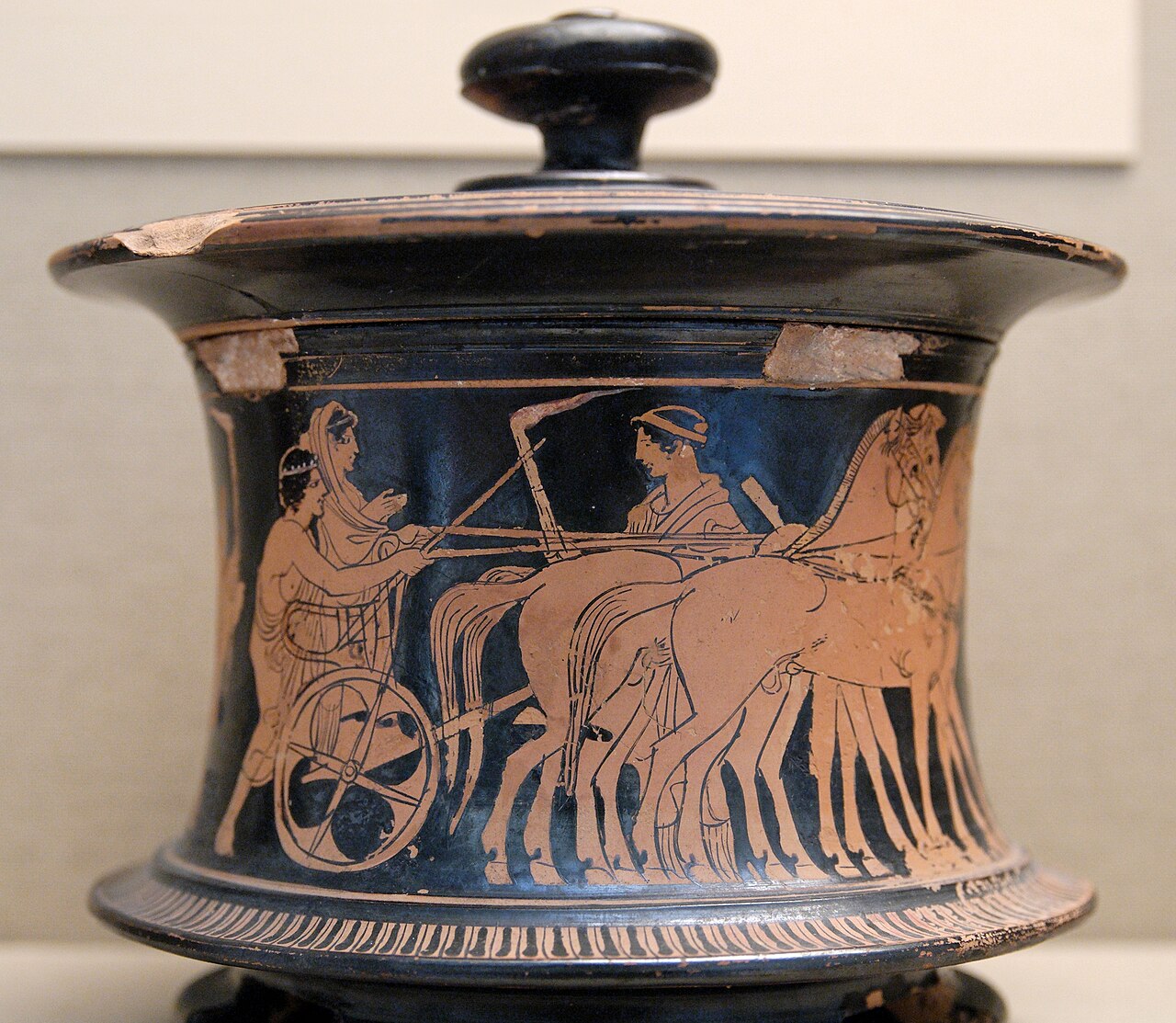
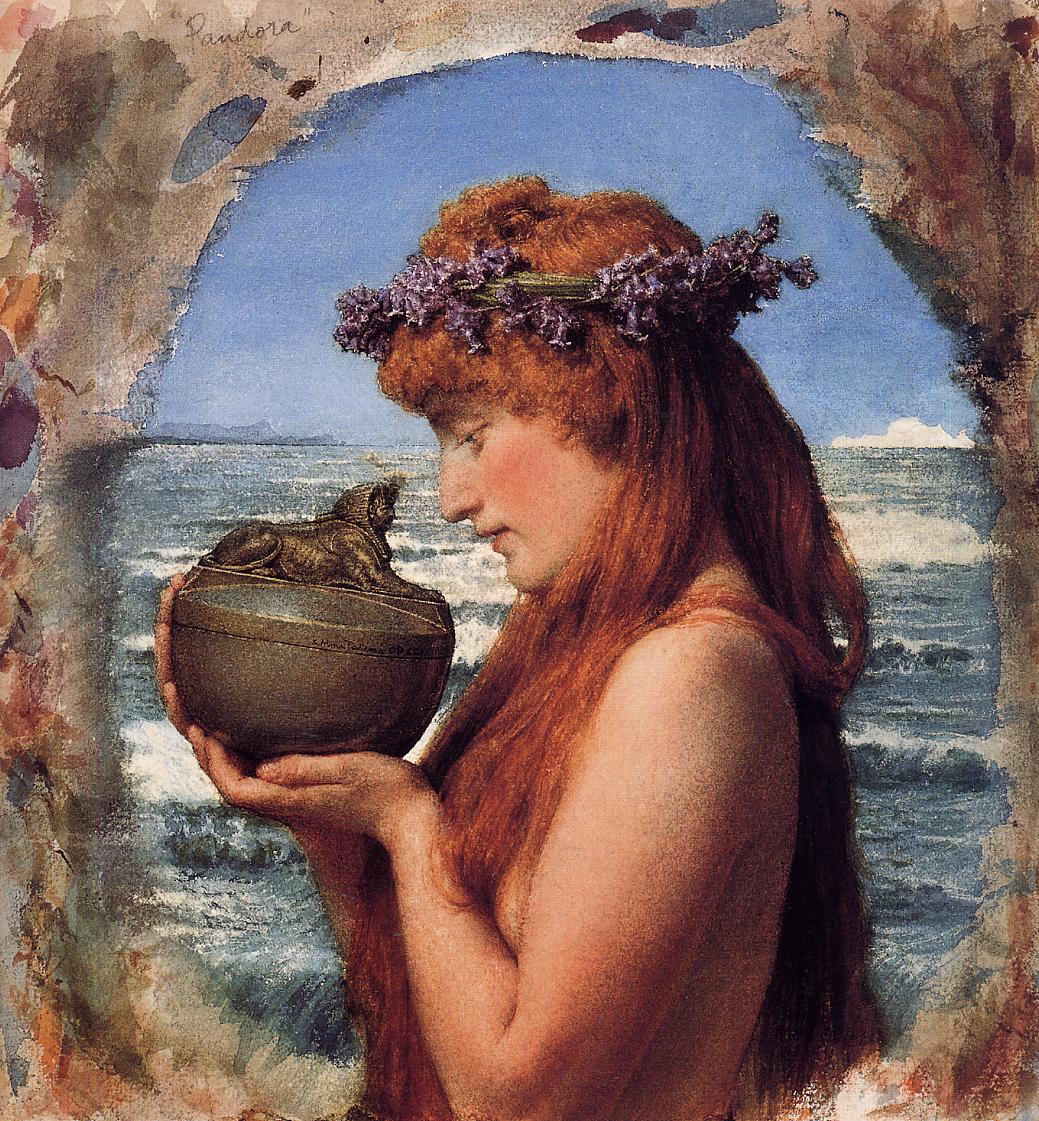
In Greek tradition the story of Pandora explains the origin of human suffering. Created by the gods and given to humankind, Pandora carried a sealed vessel that, when opened, released pains and misfortunes into the world. The tale is commonly called "Pandora's box" in modern languages, though the earliest Greek texts describe a large storage jar. For a basic introduction to the wider mythic context see Greek myth.
Image gallery
10 Images




Original sources and the jar
The earliest literary account appears in works attributed to the poet Hesiod. He uses the term pithos (a large earthenware jar) rather than a small box; this detail later changed because of translations into Latin and other languages. The relevant ancient source is often studied under the name Hesiod, and the container itself is referred to in scholarship as the pithos.
Contents and the role of hope
Hesiod reports that when the vessel was opened, various evils escaped, afflicting humanity thereafter. The text also mentions "elpis," a word usually rendered as "hope," which remains associated with the story in ambiguous ways. Some readers understand hope as a comforting remaining good left for humans; others interpret it as an additional, potentially deceptive, force confined within. For the term and its nuances see hope.
Interpretations and themes
Scholars and commentators have explored many angles: moral lessons about curiosity and disobedience; aetiological explanations for suffering; reflections on the human condition; and linguistic debates about whether "elpis" is positive or problematic. The named protagonist, Pandora, is often discussed in relation to gender roles, divine trickery, and cultural anxieties in archaic Greece.
Cultural legacy and idiom
From antiquity onward the story influenced art, literature, and thought. During the Renaissance a translation shift popularized the phrase "Pandora's box," and ever since it has been used as a metaphor for actions that unleash unforeseen consequences. The image appears in paintings, poems, and modern references as a warning about curiosity and unintended outcomes.
Common motifs and distinctions
- Container: original pithos (jar) versus later "box" in modern idiom.
- Contents: unspecified evils in the poem, often listed or personified in later retellings.
- Hope (elpis): debated as comfort left for humanity or as another ambiguous entity.
- Modern use: a shorthand for opening a source of complex trouble.
Taken together, Pandora's story remains one of the most potent mythic accounts for explaining misfortune and probing the complex interplay between curiosity, punishment, and consolation in human life.
Questions and answers
Q: What is Pandora's box in Greek mythology?
A: Pandora's box was a large jar carried by Pandora in Greek mythology.
Q: What was inside Pandora's box?
A: The evils to be let loose on mankind were inside Pandora's box.
Q: Was there anything left in Pandora's box after all the evils were released?
A: Yes, hope remained in Pandora's box after all the evils were released.
Q: Who wrote about Pandora's box?
A: Hesiod wrote about Pandora's box in Greek mythology.
Q: What were the actual evils in Pandora's box?
A: The actual evils in Pandora's box are not specified by Hesiod.
Q: What was the significance of hope remaining in Pandora's box?
A: The significance of hope remaining in Pandora's box is that it represents the potential for good to overcome evil.
Q: Who carried Pandora's box in Greek mythology?
A: Pandora carried Pandora's box in Greek mythology.
Related articles
Author
AlegsaOnline.com Pandora's box: myth, meaning, and cultural legacy Leandro Alegsa
URL: https://en.alegsaonline.com/art/74348