
Pando (the trembling giant): a clonal aspen colony in Utah
Pando is a single clonal colony of quaking aspen in Utah, notable for its huge connected root system, many identical stems, great age, and current conservation concerns.
Overview
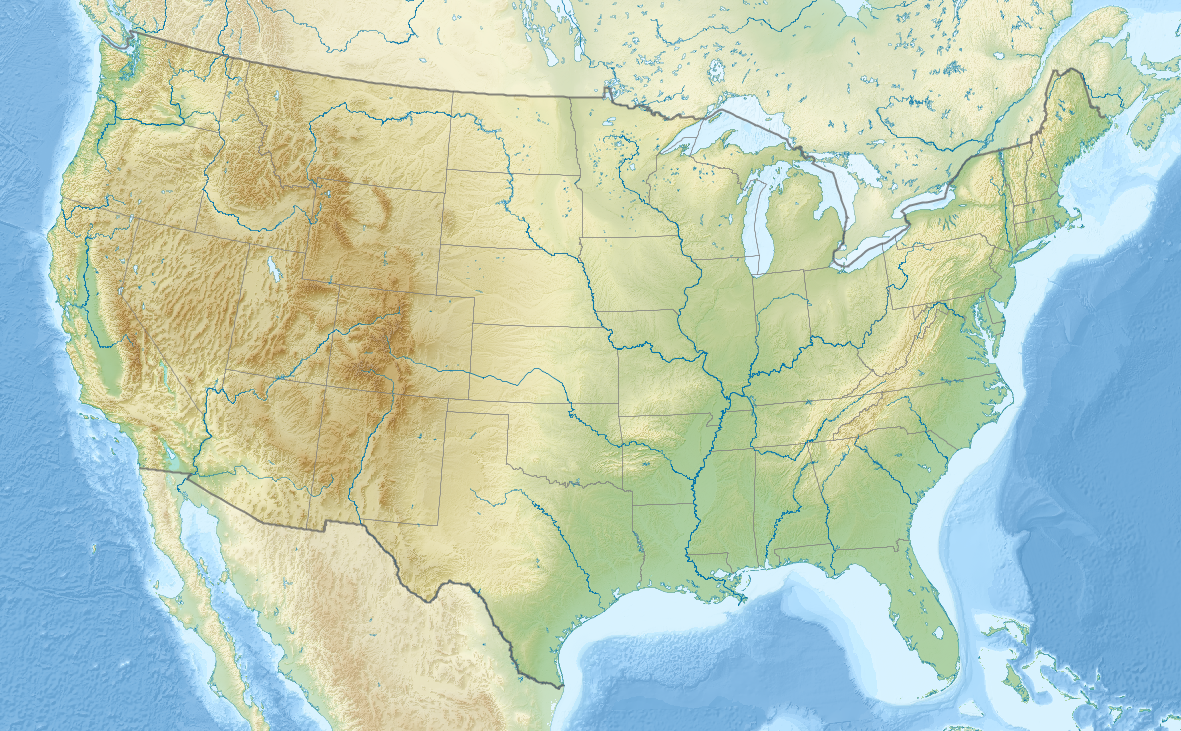
Pando, often called the "trembling giant," is a single organism made up of many stems of quaking aspen (Populus tremuloides) that occupy a stand in central Utah. The name Pando reflects how the organism spreads and has been used to emphasize its unusual biology; see the name origin at Pando. Although the individual trunks resemble separate trees, they are genetically identical and are connected through a common root system, making the whole stand a single clonal colony (colony of aspen). The site is located in the Fishlake National Forest region of Utah.
Image gallery
7 Images


Structure and growth
The defining characteristic of Pando is its clonal reproduction. New stems arise from root suckers rather than by seed, so what appears to be distinct trees are actually ramets — shoots produced by the same genetic individual (clones). These trunks die and regrow over time; individual stems typically live for a century or so, while the root network persists and continually sends up new shoots. The roots form an extensive, interconnected system that stores carbohydrates and supports regeneration after disturbance, such as fire or mechanical damage.
Age, size and scientific study
Pando is famous in part because of its size and longevity. Estimates of its age vary and are subject to scientific debate; some researchers have suggested the clone may be many thousands of years old, making it one of the oldest known living organisms by some definitions, while others caution that age is difficult to determine precisely. The stand contains tens of thousands of stems spread over an area often reported as roughly a hundred acres. Scientists have used field surveys, genetic tests and aerial photography to map and study the colony; for example, researchers analyzing long-term imagery have documented changes in stem density and size over recent decades (scientists).
Ecological role and notable features
Pando plays important ecological roles in its landscape. Clonal aspen stands provide habitat and forage for many species, influence local biodiversity, and help stabilize soils. Aspens are adapted to regenerate after fire and other disturbances: root-stored reserves allow rapid sucker production following canopy loss. The foliage contains compounds that can make leaves less palatable to some browsers, but browsing pressure still affects regeneration.
Threats and conservation
Despite its resilience, Pando faces several modern threats. Introduced or concentrated herbivore populations — including mule deer and elk — can suppress new shoot growth by browsing, limiting the colony's ability to replace aging stems (mule deer; human activities have influenced herbivore numbers and land use). Other pressures include altered fire regimes, drought and disease. Studies have noted little expansion of the colony in recent decades and raised concerns that it may be threatened if regeneration remains suppressed.
- Conservation approaches used or tested include fencing to exclude browsers, targeted forest thinning, and controlled burning to stimulate sucker production.
- Monitoring combines ground-level surveys with aerial and satellite imagery to assess stem counts, canopy cover and recruitment.
Why Pando matters
Pando is valued as a natural curiosity, a focus for ecological research, and a cultural and educational resource. Its status as a single genetic organism raises questions about how we define individual organisms and how ecosystems respond to long-term environmental change. Ongoing research and management aim to balance public access, scientific study and measures that support natural regeneration. Readers who want to learn more about the colony's biology and conservation can follow resources and research summaries linked to this topic (Utah location, scientific work). For background on the colony concept and aspen biology see additional material at colony references and popular summaries (aspen).
Additional resources and management updates are available through forest service reports and research institutions that study clonal tree systems; these often include aerial photo analyses and long-term monitoring efforts (name, clonal studies, root, human impact, herbivores, conservation status).
Questions and answers
Q: What is Pando?
A: Pando is a colony of genetically identical aspen trees located in Utah.
Q: How many trees make up the colony in Pando?
A: The colony in Pando is made up of about 47,000 single trees.
Q: What is the age of the whole Pando organism?
A: The whole Pando organism may be about 80,000 years old.
Q: How are the roots of the trees in Pando linked?
A: The roots of the trees in Pando are linked.
Q: What is the oldest known living organism on Earth?
A: The oldest known living organism on Earth is Pando.
Q: What is a threat to Pando?
A: Mule deer, which were brought to the region by humans, may be a threat to Pando.
Q: Has Pando grown in size in the last 30-40 years?
A: No, in a study done in the 2000s, scientists analyzed aerial photographs of the region and found that Pando has not grown in size in the last 30-40 years, which may be a sign that it is threatened.
Related articles
Author
AlegsaOnline.com Pando (the trembling giant): a clonal aspen colony in Utah Leandro Alegsa
URL: https://en.alegsaonline.com/art/74344
Sources
- livescience.com : "The World's Largest Organism is Dying"
- discovermagazine.com : "The Trembling Giant"
- tools.wmflabs.org : 38°31′30″N 111°45′00″W / 38.52500°N 111.75000°W / 38.52500; -111.75000