
Palynology: study of pollen, spores and microscopic particles
Palynology examines microscopic particles such as pollen, spores and other organic/inorganic debris to reconstruct past environments, aid in forensics, archaeology and petroleum exploration.
Palynology is the scientific study of tiny natural particles that include pollen, spores and other microscopic organic and inorganic debris. Practitioners examine these particles to determine their origin, age, and environmental significance. The term literally means the study of dust, and analysis ranges from living airborne grains to fossilized remains preserved in sediments and rocks. For a general introduction see overview resources.
Image gallery
9 Images


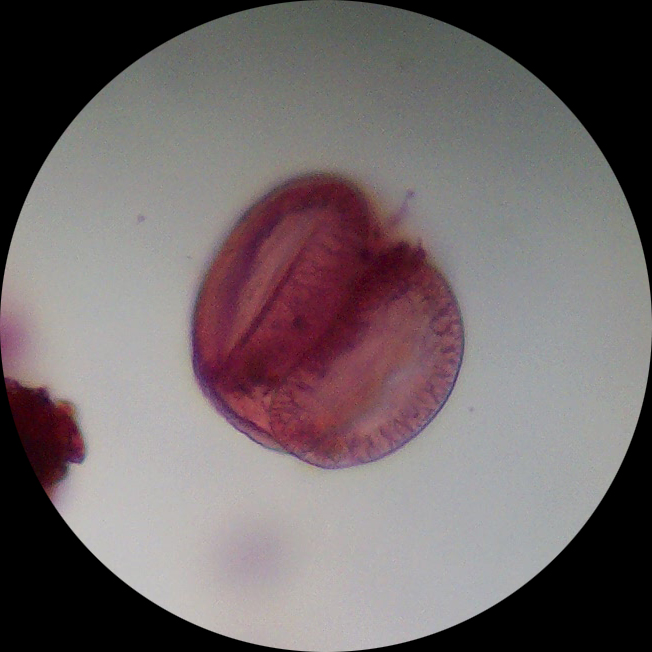





Materials, sources and methods
Samples for palynological study may be taken from many materials: surface soils, peat, lake and marine sediments, sediment cores, cave deposits, archaeological layers, and even the air and water column. Common preparatory techniques include sieving, chemical digestion to remove mineral matrix, density separation and mounting on slides for light microscopy; scanning electron microscopy may be used for detailed morphology. Practical sampling guidance and protocols are often available through institutional manuals and field guides: sampling references. Both organic particles (pollen, spores, algal cysts) and resistant inorganic particles are considered; general descriptions of particle types can be found at particle type guides.
History and development
The discipline grew as microscopy and sediment coring techniques advanced in the late 19th and 20th centuries. Early work linked pollen assemblages to vegetation and climate, and the field expanded to include applications in geology, archaeology and environmental science as laboratory methods and statistical analysis improved.
Applications and importance
Palynology has broad practical uses. In paleoecology and paleoclimatology, pollen records reconstruct past vegetation and climate trends. Archaeologists use pollen and phytoliths to infer past land use and diet. Forensic scientists can link people or objects to locations by comparing particle assemblages. In industry, palynology contributes to oil and gas exploration through palynostratigraphy and age determinations. Typical applications include:
- Vegetation and climate reconstructions from sediment cores
- Archaeological site interpretation and landscape change
- Forensic provenance and contamination studies
- Biostratigraphic dating in petroleum geology
Relationship to micropaleontology and notable distinctions
Palynology overlaps with micropaleontology, since both examine microscopic fossils and microfossil assemblages. However, palynology places particular emphasis on pollen, spores and other resistant organic microremains, whereas micropaleontology covers a wider array of tiny fossil organisms such as foraminifera and diatoms (microfossil examples). Differences in sample preparation, taxonomic focus and typical applications distinguish the two fields, though they are complementary in reconstructing Earth history.
Modern palynologists combine morphological identification with statistical ecology, radiocarbon dating and geochemical proxies to build multi-proxy reconstructions. Ongoing developments in imaging and molecular techniques continue to refine identification and expand the range of environments that can be studied.
Questions and answers
Q: What is Palynology?
A: Palynology is the study of very small natural particles.
Q: What is the meaning of Palynology?
A: Palynology literally means the "study of dust".
Q: What is the role of a palynologist?
A: The role of a palynologist is to identify what the particles are.
Q: Where do samples of particles come from?
A: Samples of particles can come from the air or water or soil or rocks.
Q: What are the types of particles that can be studied in Palynology?
A: The types of particles that can be studied in Palynology include both organic and inorganic particles.
Q: What is Micropaleontology?
A: Micropaleontology is a related area of study to Palynology which involves very small fossils.
Q: How are the particles studied in Palynology?
A: The particles are identified by a palynologist in Palynology.
Related articles
Author
AlegsaOnline.com Palynology: study of pollen, spores and microscopic particles Leandro Alegsa
URL: https://en.alegsaonline.com/art/74266