
Pallas (Titan) — figure in Greek mythology
Article on Pallas, a Titan associated with war in Greek myth: genealogy, offspring (Nike, Kratos, Zelus, Bia), the contest with Athena, variant traditions, and cultural legacy including Pellene and asteroid 2 Pallas.
Pallas is a name found in Greek myth that commonly designates a male Titan associated with battle and as the father of several personified forces. Ancient sources are not entirely consistent, but many traditions describe Pallas as a son of the Titan Crius and the sea-goddess Eurybia, and as a figure closely tied to the rise of Zeus and the Olympian order. The Greek form of the name appears as Πάλλας in classical texts.
Image gallery
1 Image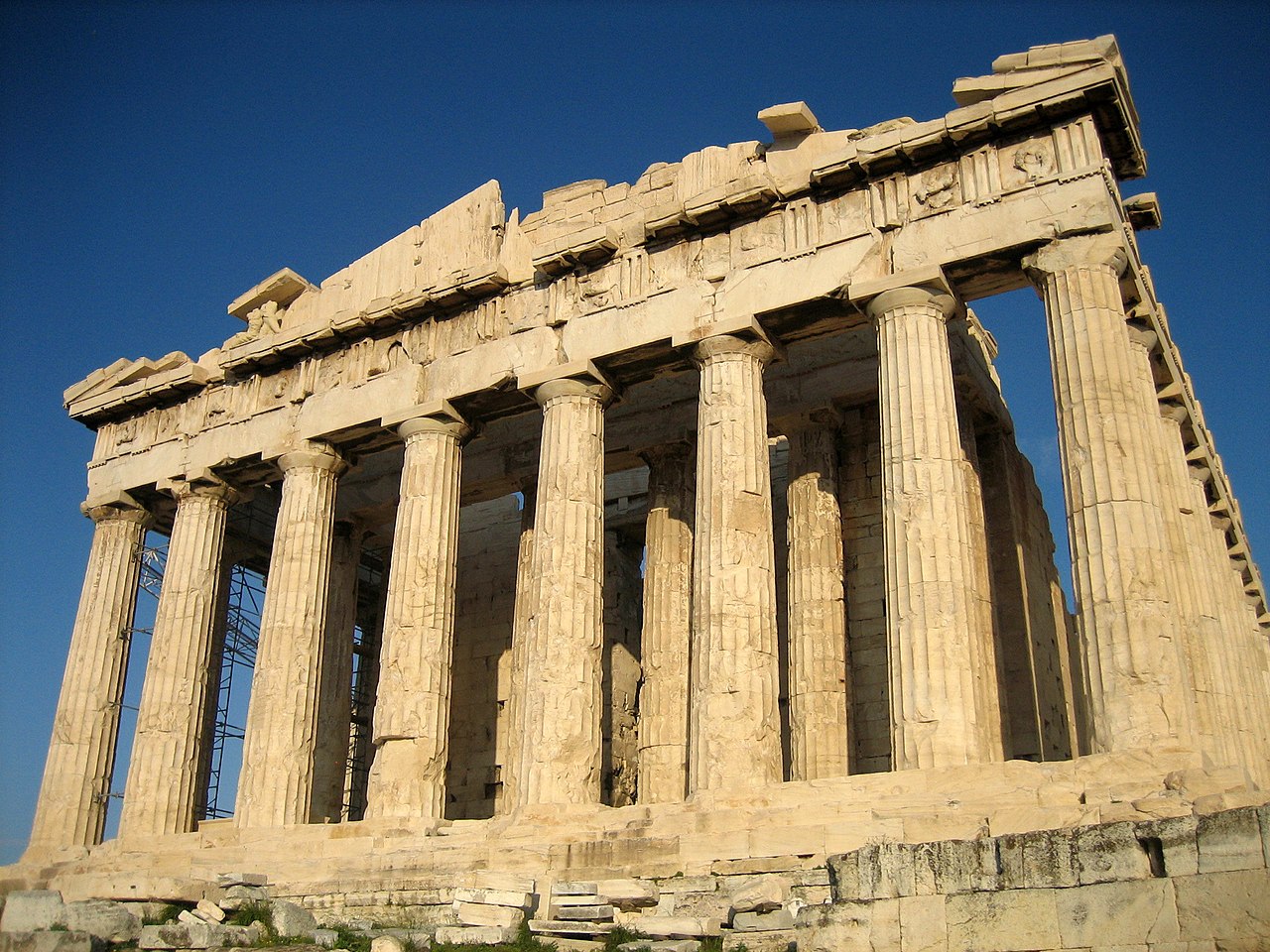
Genealogy and offspring
Most accounts list Pallas as husband of the river-nymph Styx and father of four well-known personifications: Zelus (rivalry or zeal), Nike (victory), Kratos (strength/power), and Bia (force). Other sources attribute different or additional children to him, with names such as Scylla or local personifications of springs and lakes (Fontes, Lacus). Some traditions vary the parentage and identify alternative genealogies.
Myth and death
One of the better known stories involving Pallas relates to a contest between him and the goddess Athena over precedence or patronage in certain locales. In some versions Athena kills Pallas either accidentally or in combat, and in grief or triumph she takes his name as an epithet, becoming commonly known as "Pallas Athena." Ancient poets and mythographers offer differing motives and outcomes, and the episode is often interpreted as a symbolic overthrow of elder powers by the Olympian order.
Variants and other figures named Pallas
Pallas is also a name applied to several distinct characters in Greek legend, including a giant slain during the Gigantomachy and a daughter or companion figure in some local myths. Scholarly discussion treats these usages as related by name and motif rather than necessarily the same individual. Some late or regional accounts even connect Pallas with lunar deities such as Selene or Eos, though such links are not uniform across sources.
Legacy and cultural references
The name Pallas has persisted in place-names and modern nomenclature: the ancient Achaean city of Pellene was said to be named for him, and the asteroid discovered in the 19th century was given the name 2 Pallas. Poets, sculptors and later writers have drawn on the Pallas traditions to explain the epithet of Athena, to personify martial virtues, or to distinguish older divine orders from the Olympian regime.
Notable points
- Pallas is primarily known through fragmentary mythographic and poetic sources rather than a single canonical narrative.
- The name appears in multiple roles—Titan, giant, or mortal—so careful qualification is needed when citing a specific tradition.
- References and summaries of the Pallas traditions can be found in collections of Greek myth and in scholarly overviews of Titan genealogy (see classical summaries).
Because ancient authors preserved diverse and often contradictory local tales, any description of Pallas must allow for variant parentage, children, and eventual fate. For further reading consult primary myth collections and specialized commentaries on Titan myths and Athena's cultic epithets (linguistic notes, genealogical accounts, myth compendia).
Questions and answers
Q: Who was Pallas in Greek mythology?
A: Pallas was a Titan in Greek mythology.
Q: What was Pallas associated with?
A: Pallas was associated with war.
Q: Who killed Pallas and why?
A: Athena killed Pallas in the contest to fight for Zeus.
Q: Who were Pallas' parents and siblings?
A: Pallas' parents were Crius and Eurybia. His siblings were Astraeus and Perses.
Q: Who was Pallas' wife and children?
A: Pallas' wife was Styx. He was the father of Zelus, Nike, Kratos, Bia, Scylla, Fontes, and Lacus. He is also recorded as the father of Eos and Selene.
Q: What is the significance of the city Pellene and asteroid 2 Pallas?
A: The city Pellene in Achaea was named after Pallas. The asteroid 2 Pallas was also named after him.
Q: What are some conflicting beliefs about Pallas' parentage?
A: Some sources say Megamedes was Pallas' father, and Selene was his daughter.
Related articles
Author
AlegsaOnline.com Pallas (Titan) — figure in Greek mythology Leandro Alegsa
URL: https://en.alegsaonline.com/art/74197