
Pakistani rupee (PKR): currency of Pakistan
The Pakistani rupee (symbol Rs, ISO code PKR) is Pakistan's official currency. Issued by the State Bank of Pakistan, it is subdivided into paisa and widely counted using lakh and crore.
The Pakistani rupee (symbol Rs; ISO code PKR) is the official currency of Pakistan. It is issued and regulated by the State Bank of Pakistan, which manages issuance, monetary policy, and the supply of banknotes and coins. The rupee is used for everyday transactions, salaries, public accounts and most domestic contracts.
Image gallery
10 Images


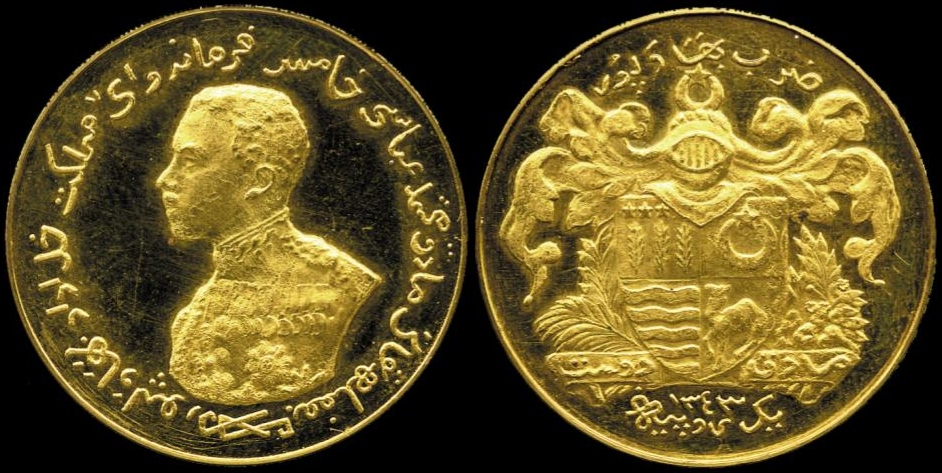


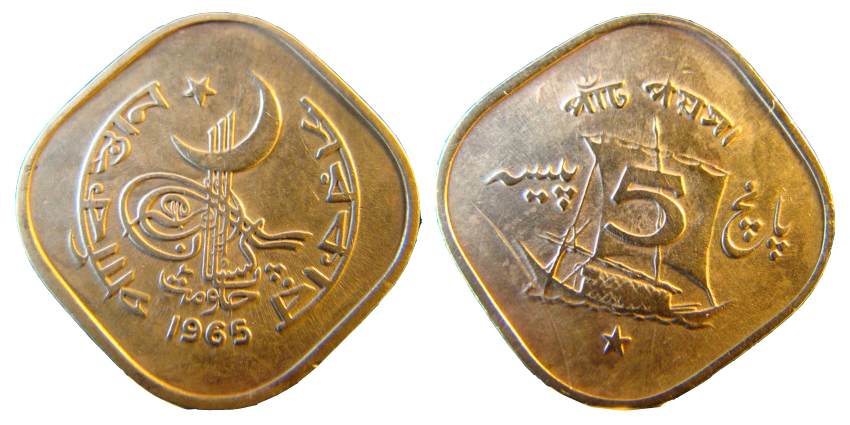
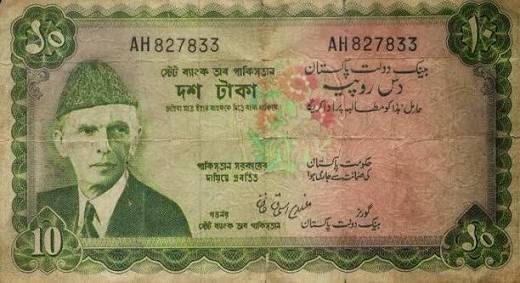
Structure and common features
The rupee is nominally subdivided into 100 paisa (singular: paisa), though small-paisa coins are now rare in circulation. The common shorthand on price tags, bills and receipts is "Rs" before the figure. In South Asian usage and Pakistani English, large numbers are conventionally grouped using thousands, lakh (100,000) and crore (10,000,000) rather than millions and billions.
Denominations and appearance
Circulating denominations include a range of coins and banknotes issued in multiple designs and security features. Banknotes frequently carry portraits and national motifs and are printed in different colours and sizes to aid recognition. Coins are used for smaller, everyday payments and often for values of 1, 2, 5 or 10 rupees; typical banknotes include specimen values used for routine commerce.
History and development
The rupee in this territory descends from the South Asian rupee tradition established under British rule. After independence in 1947 Pakistan adopted its own coinage and banknotes and later developed distinct designs and security technology. Over time the State Bank has introduced new series and features to combat counterfeiting and to reflect changing economic needs.
Role and economic context
The rupee plays a central role in Pakistan's economy: it is the unit for wages, taxation, domestic trade and official accounting. Its external value against other currencies fluctuates with trade balances, remittances from overseas Pakistanis, monetary policy and global market conditions. Inflation and exchange-rate movements affect purchasing power and the everyday cost of living.
Notable facts and usage
- Common names include rupee, rupaya and rupaye in local usage.
- Prices and large sums are often expressed using lakh and crore conventions.
- The State Bank periodically issues commemorative notes and updates security features on circulating currency.
For more details on modern notes, coinage and monetary policy see official publications and central-bank releases: consult sources linked from the central bank and government sites for the latest denominations and legal-tender rules.
Questions and answers
Q: What is the currency of Pakistan?
A: The currency of Pakistan is the rupee (symbol: Rs; code: PKR).
Q: Who controls the issuance of Pakistani currency?
A: The issuance of Pakistani currency is controlled by the State Bank of Pakistan.
Q: What is the most commonly used symbol for the Pakistani rupee?
A: The most commonly used symbol for the Pakistani rupee is Rs.
Q: How is the Pakistani rupee referred to in Pakistan?
A: In Pakistan, the Pakistani rupee is referred to as the "rupees", "rupaya" or "rupaye".
Q: How are large values of Pakistani rupees counted in Pakistani English?
A: Large values of Pakistani rupees are counted in terms of thousands, lakh (hundred thousands, in digits 100,000) and crore (ten millions, in digits 10,000,000) as standard in Pakistani English.
Q: What is the code for Pakistani rupee?
A: The code for Pakistani rupee is PKR.
Q: Who controls the issuance of Pakistani currency?
A: The issuance of Pakistani currency is controlled by the State Bank of Pakistan.
Related articles
Author
AlegsaOnline.com Pakistani rupee (PKR): currency of Pakistan Leandro Alegsa
URL: https://en.alegsaonline.com/art/74085