
Pakistan at the Olympics: participation, history, and achievements
Overview of Pakistan's Olympic participation since 1948, its national Olympic body, notable strengths such as field hockey, and the country's role in the Olympic movement.
Pakistan has taken part in the modern Olympic Games since 1948, appearing primarily at Summer Games and sending teams and individual athletes to many editions. Participation has offered Pakistan international sporting exposure and a chance to compete across a range of events, from team sports to individual disciplines. Over the decades the country's Olympic delegations have been modest in size compared with larger nations, but they remain a symbol of national pride and sporting aspiration.
Image gallery
3 Images
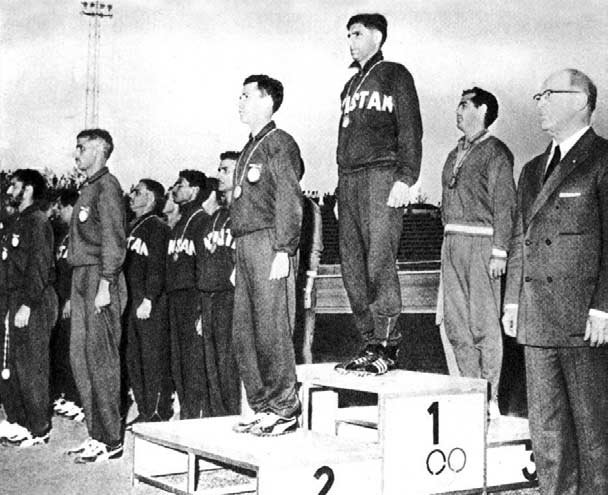

Organization and official designation
The Pakistan Olympic Association (POA) is the National Olympic Committee responsible for organizing Pakistan's entries to the Games and for developing Olympic sport at home. The POA was recognized by the International Olympic Committee early in Pakistan's history as an independent nation, allowing the country to participate under its own flag. The International Olympic Committee itself is the governing body of the Olympic Movement; further information about the IOC can be found via its official sources: IOC information. Details on Pakistan's own Olympic organisation and activities are available from national resources: Pakistan Olympic Association. The IOC's three-letter country code for Pakistan is PAK, used in official results and entries.
Historical highlights and sporting strengths
Pakistan's most visible success at the Olympics has come in men's field hockey, where the national team won multiple medals and achieved top finishes in various editions. Beyond hockey, Pakistani athletes have competed in sports such as athletics, boxing, wrestling, shooting and weightlifting, representing the country in individual events. While podium finishes have been concentrated in certain sports, Olympic participation has helped foster athletic development and international competition experience for Pakistani athletes.
Significance and challenges
Competing at the Olympics provides Pakistan with worldwide representation and a benchmark for measuring progress in sport. Challenges faced by athletes and officials include limited resources, the need for improved training infrastructure, and the task of developing wider participation across disciplines. National efforts to strengthen talent identification, coaching and facilities aim to raise Pakistan's competitiveness over time.
Legacy and continuing role
The Olympic journey of Pakistan reflects more than medals: it documents the nation's sporting evolution, diplomatic visibility, and the efforts of athletes who qualify and compete on the world stage. For current schedules, delegation details and historical records consult national sources and the IOC: Pakistan Olympic Association, International Olympic Committee and official event reports noted under the code PAK.
- First Olympic participation: 1948 (Summer Games)
- National committee: Pakistan Olympic Association (POA)
- IOC country code: PAK
Questions and answers
Q: How many times has Pakistan participated in the Olympics?
A: Pakistan has participated in the Olympics 17 times.
Q: In how many countries have Pakistani athletes participated in the Olympics?
A: Pakistani athletes have participated in the Olympics in 13 countries.
Q: How many athletes from Pakistan have participated in the Olympics over the years?
A: Over the years, more than 300 athletes from Pakistan have participated in the Olympics.
Q: Since when has Pakistan been contributing to the growth of the Olympic Movement?
A: Pakistan has been contributing to the growth of the Olympic Movement since 1948.
Q: What is the official abbreviation for Pakistan used by the International Olympic Committee?
A: The International Olympic Committee's official abbreviation for Pakistan is PAK.
Q: How many games have Pakistani athletes participated in the Olympics?
A: Pakistani athletes have participated in 17 games in the Olympics.
Q: How significant has Pakistan's contribution been towards the Olympic Movement?
A: Pakistan has contributed significantly to the growth and development of the Olympic Movement since its participation in 1948.
Related articles
Author
AlegsaOnline.com Pakistan at the Olympics: participation, history, and achievements Leandro Alegsa
URL: https://en.alegsaonline.com/art/74060
Sources
- sports-reference.com : "Pakistan"
- olympic.org : "Factsheet: The Olympic Movement"
- la84foundation.org : "Official abbreviations" at The Games of the XVIII Olympiad, Tokyo, 1964, [p. 9 of 409 PDF]
- olympic.org : Pakistan