
Page-boy
A page-boy is a young attendant or servant historically found in noble households and courts, and today often seen as a ceremonial attendant at weddings or as a youth page in institutions.
A page or page-boy traditionally refers to a young male attendant who serves a household, court, or person of rank. The role combines elements of domestic service, personal attendance and sometimes the delivery of messages. While the term originally described practical duties in medieval and early modern societies, it has also come to denote specific ceremonial roles in modern life.
Image gallery
5 Images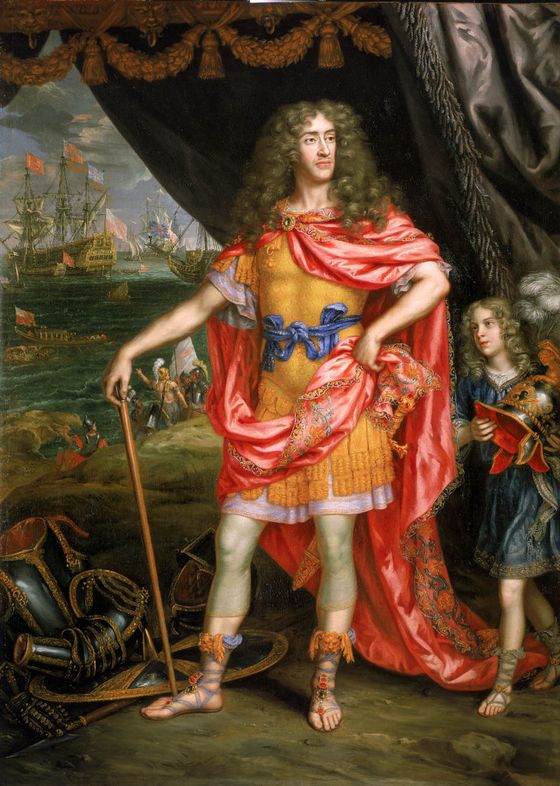



Typical duties and characteristics
Pages are usually youths or adolescents apprenticed to learn about service, etiquette and sometimes martial skills. Typical responsibilities have included:
- attending a noble or royal person by running errands or carrying items;
- delivering messages and documents within a household or between courts;
- assisting in dressing, serving at table, and preparing rooms;
- acting as junior aides during ceremonies or public events.
History and development
The office of page emerged in medieval Europe as part of household and court hierarchies. Young boys served as trainees, often progressing to squire and then to a knightly or administrative role. Over centuries the practical apprentice function diminished in some places, while ceremonial and symbolic forms survived in royal courts and institutions.
In contemporary contexts the phrase "page boy" is best known for its role at weddings, where a young attendant — sometimes called a ring bearer — accompanies the bride or carries rings down the aisle. See typical duties at a wedding page in practical guides here.
Other modern uses include the term "page" for legislative or parliamentary youth assistants and the unrelated fashion term "pageboy" for a distinctive short haircut. These variations show how one historical occupation has produced several cultural and ceremonial descendants.
Author
AlegsaOnline.com Page-boy Leandro Alegsa
URL: https://en.alegsaonline.com/art/73990