
Overland Park, Kansas
Overland Park is a large suburban city in Johnson County, Kansas, known for steady growth, corporate campuses, parks and cultural attractions. It is the second-largest city in Kansas and in the Kansas City metro area.
Overview
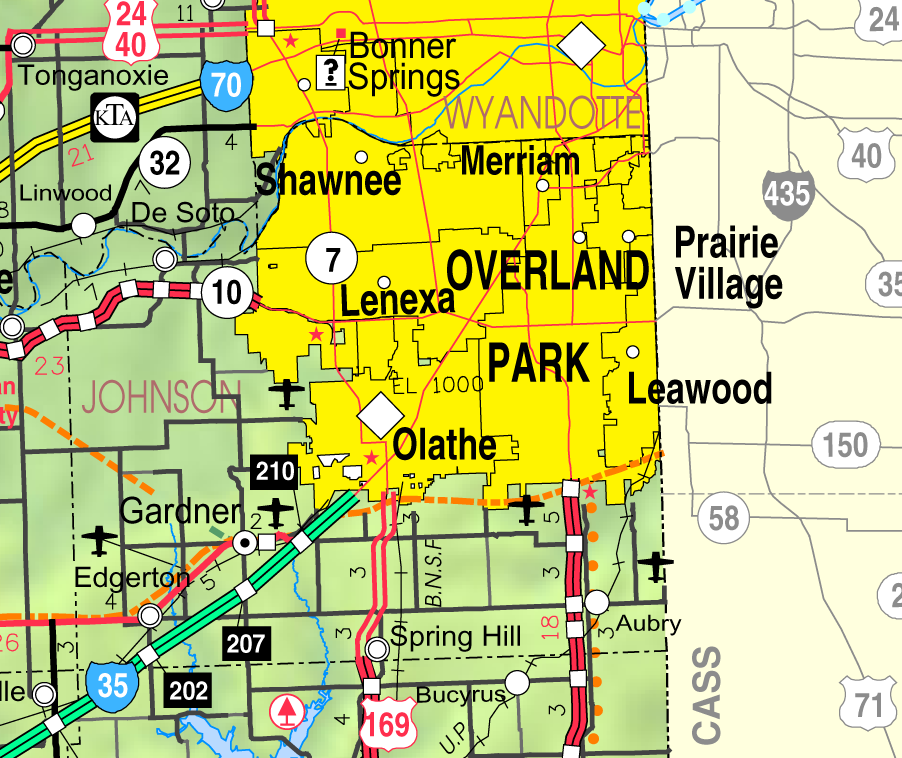
Overland Park is a suburban city located in the state of Kansas and lies largely within Johnson County. As a principal suburb of the Kansas City metropolitan area, it ranks as the second-largest city in both the state and the metro region. The city has experienced steady population growth: the U.S. counts recorded 173,372 residents in 2010 and estimates placed the population at about 191,278 in 2017. Overland Park combines residential neighborhoods, commercial corridors and planned office campuses that define its suburban character.
Image gallery
8 Images



History and development
Originally a collection of small farms and crossroads communities, the area that became Overland Park grew rapidly in the second half of the 20th century as the Kansas City region expanded. Postwar suburbanization, highway improvements and deliberate city planning shaped its transition from rural land into a mix of housing developments, shopping centers and business parks. Planned growth, local investment in parks and public services, and proximity to regional transportation helped attract new residents and employers.
Economy and institutions
The city hosts several corporate offices and business campuses. Notably, Overland Park was home to the Sprint World Headquarters Campus, a landmark corporate site. The local economy blends professional services, health care, retail and light technology industries. Major shopping and convention facilities serve residents and visitors and add to the city's employment base.
- Corporate campuses and office parks
- Retail centers and convention facilities
- Health care and professional services
Parks, culture and attractions
Overland Park maintains an extensive park system, botanical gardens and family-oriented attractions that emphasize outdoor recreation and community events. Popular local destinations include an arboretum and cultural venues that host seasonal festivals, concerts and educational programs. These amenities contribute to the city’s reputation as a desirable suburban community for families and outdoor enthusiasts.
Education, transportation and government
Residents are served by multiple public school districts and a range of private and higher education options in the broader metropolitan area. Transportation connections include regional highways and public transit links into Kansas City. Municipal government provides typical city services—parks, public safety, planning and utilities—while working to balance growth, infrastructure and quality of life.
Notable facts and identity
Overland Park is recognized for its population size within Kansas and its role as a major suburb of Kansas City. Its combination of corporate presence, parks and family-oriented cultural resources make it an important residential and economic center in the region.
Questions and answers
Q: Where is Overland Park located?
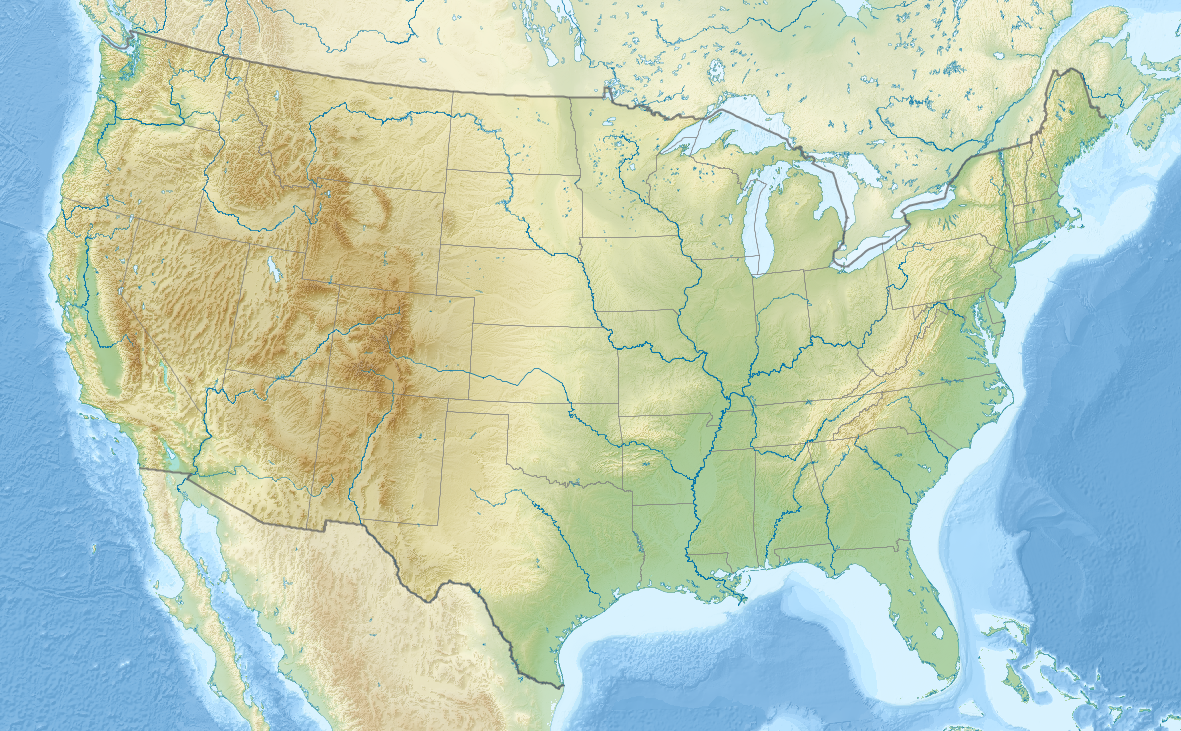
A: Overland Park is located in the U.S. state of Kansas, specifically in Johnson County.
Q: Is Overland Park the biggest city in Kansas?
A: No, Overland Park is the second biggest city in Kansas.
Q: Where does Overland Park rank in terms of size in the Kansas City metropolitan area?
A: Overland Park is the second biggest city in the Kansas City metropolitan area.
Q: How many people lived in Overland Park in 2010?
A: In 2010, 173,372 people lived in Overland Park.
Q: How many people lived in Overland Park in 2017?
A: In 2017, 191,278 people lived in Overland Park.
Q: Does Overland Park have any notable business locations?
A: Yes, Overland Park is home to the Sprint World Headquarters Campus.
Q: What county is Overland Park located in?
A: Overland Park is located in Johnson County, Kansas.
Related articles
Author
AlegsaOnline.com Overland Park, Kansas Leandro Alegsa
URL: https://en.alegsaonline.com/art/73730
Sources
- opkansas.org : "Mayor Carl Gerlach"
- factfinder2.census.gov : "American FactFinder"
- census.gov : "Population and Housing Unit Estimates"
- geonames.usgs.gov : "US Board on Geographic Names"
- opkansas.org : "Overland Park At-A-Glance"
- census.gov : "U.S. Census Bureau QuickFacts: Overland Park city, Kansas"
- nytimes.com : nytimes.com/1998/07/12/realestate/sprint-is-building-huge-headquarters-in-kansas.html
- ophistorical.org : "Military Road to Metcalf"
- opcvb.org : opcvb.org/welcome/history.html · web.archive.org
- census.gov : "U.S. Census Bureau QuickFacts: Overland Park city, Kansas"
- bizjournals.com : bizjournals.com/kansascity/news/2018/09/06/best-places-to-raise-a-family-overland-park.ht…
- cnbc.com : cnbc.com/2018/06/13/u-s-cities-most-popular-for-millennials.html
- bizjournals.com : bizjournals.com/kansascity/news/2018/06/13/top-cities-for-millennials-overland-park.html