
Ötzi the Iceman: Copper Age mummy of the Alps
Well-preserved natural mummy discovered in 1991 high in the Alps. Ötzi provides unique evidence about Copper Age clothing, tools, diet, health and prehistoric life in Europe.
Overview
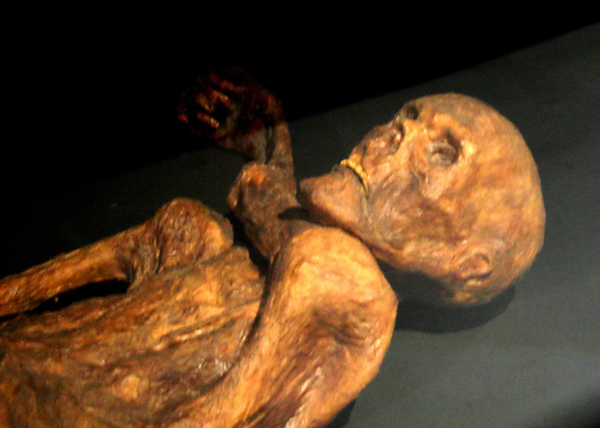
Ötzi, commonly called the Iceman, is a natural human mummy recovered in September 1991. He lived roughly 5,300 years ago and is considered the oldest well-preserved natural mummy in Europe. The find transformed understanding of life in the European Copper Age by preserving organic materials—skin, clothing, tools and stomach contents—that rarely survive in archaeological contexts.
Image gallery
10 Images





Discovery and context
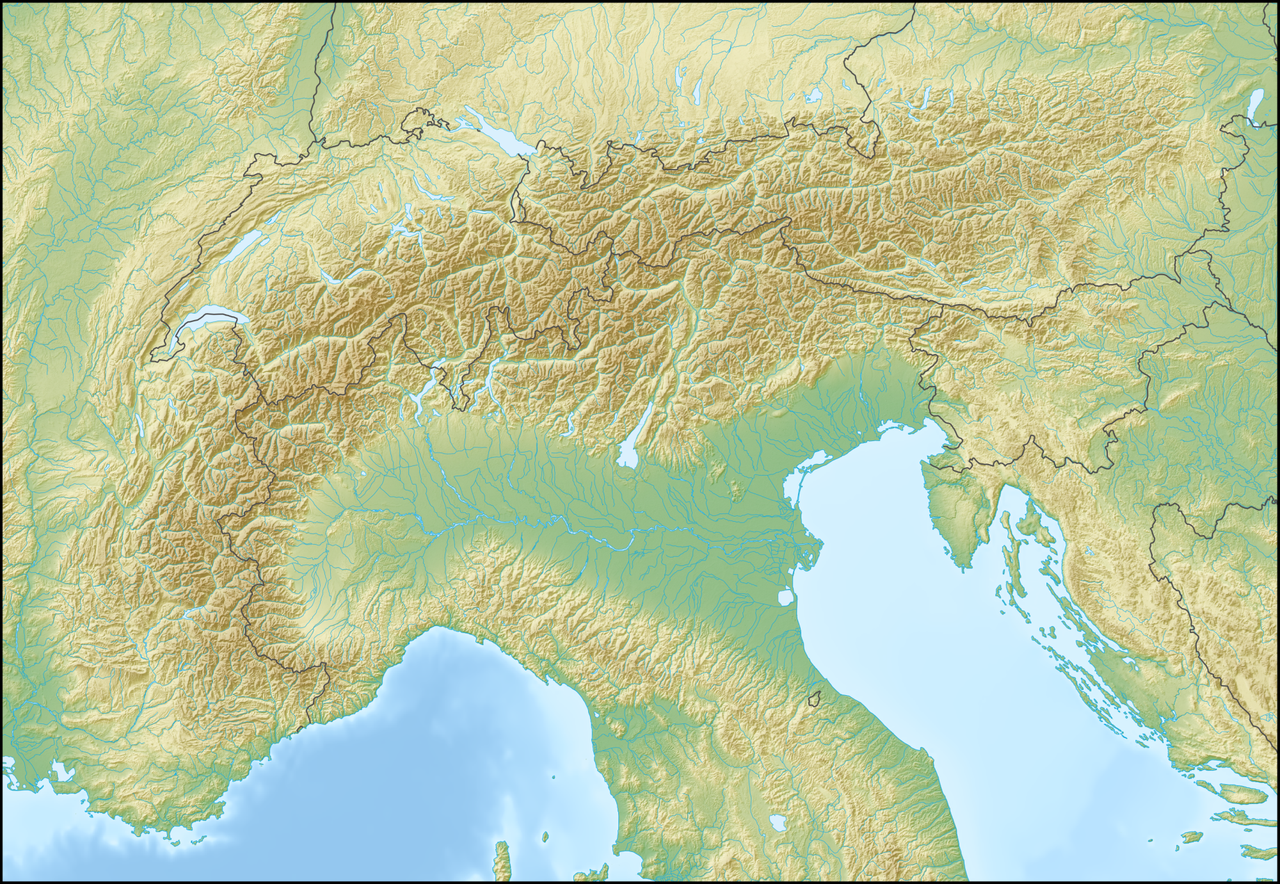
The body was found by two German hikers on a melting glacier. The location is recorded as the Schnalstal glacier, and accounts often place it in the Schnalstal or near the summit region of the Ötztal Alps, close to the border between Austria and Italy. Scientific dating and environmental evidence place him in the Chalcolithic period, commonly referred to as the Copper Age.
What was preserved
Ötzi was found with a remarkable assemblage of personal items. Surviving materials include:
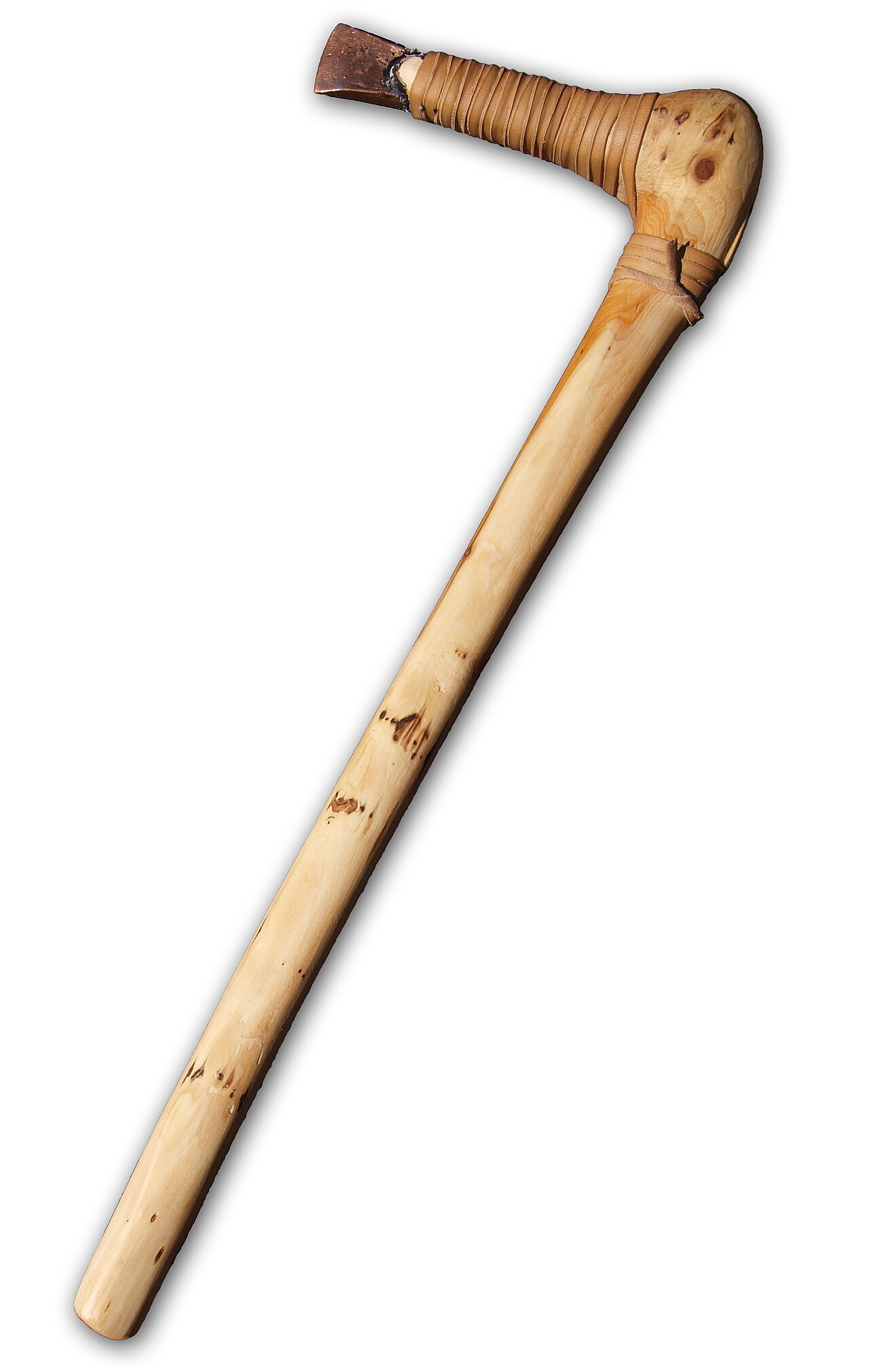
- a copper-bladed axe with a wooden handle,
- a yew longbow and several arrows, some unfinished,
- garments made from leather and grasses, a bearskin cap and fur-lined clothing,
- a retoucher and other flint tools, and small amounts of tinder and fungus used as kindling or medicine.
Health, injuries and cause of death
Examination of the body revealed healed injuries, osteoarthritis in several joints and tattoos consisting of grouped lines. Small quantities of pollen and stomach contents have helped seasonally position his last movements. A wound from an arrowhead lodged in the shoulder and trauma to the skull led many researchers to conclude that he died from violence, although the precise circumstances remain debated.
Scientific importance and research
Analyses of Ötzi—radiocarbon dating, microscopic study, chemical and genetic testing—have provided diverse insights: diet and parasites, craft techniques, and interactions between people and high-altitude environments in prehistory. Genetic and isotopic studies have been used cautiously to compare him with ancient and modern populations and to infer aspects of ancestry and mobility, while continuing research refines interpretations.
Conservation and public display
After legal and custodial discussions between neighboring states, Ötzi was conserved and is now held under controlled conditions in a museum collection where temperature and humidity are carefully maintained. The mummy and his possessions have been the subject of ongoing study and selective public exhibition, which balance scientific access with preservation needs.
Ötzi remains a singular source of information about Copper Age life in Europe: his body and belongings continue to inform archaeology, forensic science and our broader picture of prehistoric daily life in alpine regions.
Questions and answers
Q: Who is Ötzi the Iceman?
A: Ötzi the Iceman is a well-preserved natural mummy of a man who lived about 5,300 years ago.
Q: How was Ötzi the Iceman found?
A: Ötzi the Iceman was found by two German hikers in the Schnalstal glacier, Ötzti Alps, near Hauslabjoch on the border between Austria and Italy.
Q: What are some other names for Ötzi the Iceman?
A: Some other names for Ötzi the Iceman are Similaun Man, Frozen Fritz, and Man from Hauslabjoch.
Q: What is special about Ötzi the Iceman?
A: Ötzi the Iceman is Europe's oldest natural human mummy, and has offered a new picture of Chalcolithic (Copper Age) Europeans.
Q: How old is Ötzi the Iceman?
A: Ötzi the Iceman lived about 5,300 years ago.
Q: Where was Ötzi the Iceman found?
A: Ötzi the Iceman was found in the Schnalstal glacier, Ötzti Alps, near Hauslabjoch on the border between Austria and Italy.
Q: Who discovered Ötzi the Iceman?
A: Ötzi the Iceman was discovered by two German hikers.
Related articles
Author
AlegsaOnline.com Ötzi the Iceman: Copper Age mummy of the Alps Leandro Alegsa
URL: https://en.alegsaonline.com/art/73567
Sources
- timesonline.co.uk : "Iceman was wearing 'earliest snowshoes'"
- wilderdom.com : Otzi, the 5,300 year old Iceman from the Alps: pictures & information
- iceman.it : "The discover of Ötzi"
- parlament.gv.at : 874 der Beilagen zu den Stenographischen Protokollen
- iceman.it : Die Grenzfrage
- ris.bka.gv.at : Vertrages zwischen der Republik Österreich und der Italienischen Republik vom 17. Jänner 1994 über die Instandhaltung der Grenzzeichen sowie die Vermessung und Vermarkung der gemeinsamen Staatsgrenze
- news.bbc.co.uk : 'Iceman' row ends after 17 years
- newscientist.com : Arrow points to foul play in ancient iceman's death
- mummytombs.com : Ötzi: Iceman of the Alps: scientific studies
- guardian.co.uk : "Iceman bled to death, scientists say"
- education.guardian.co.uk : "How Oetzi the Iceman was stabbed in the back and lost his fight for life"
- doi.org : doi:10.1016/j.jasrep.2015.11.007
- doi.org : doi:10.1016/j.culher.2014.12.005
- doi.org : doi:10.1016/j.jas.2009.06.016
- utexas.edu : "A medical report from the stone age?"