
Otto Lilienthal: Pioneer of Gliding and Modern Aeronautics
Otto Lilienthal (1848–1896) was a German engineer who made the first repeated, documented gliding flights, developed cambered wing designs, published aerodynamic data, and influenced later aviators.
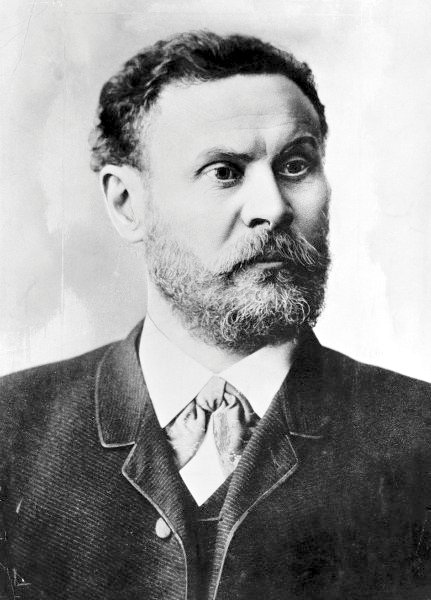
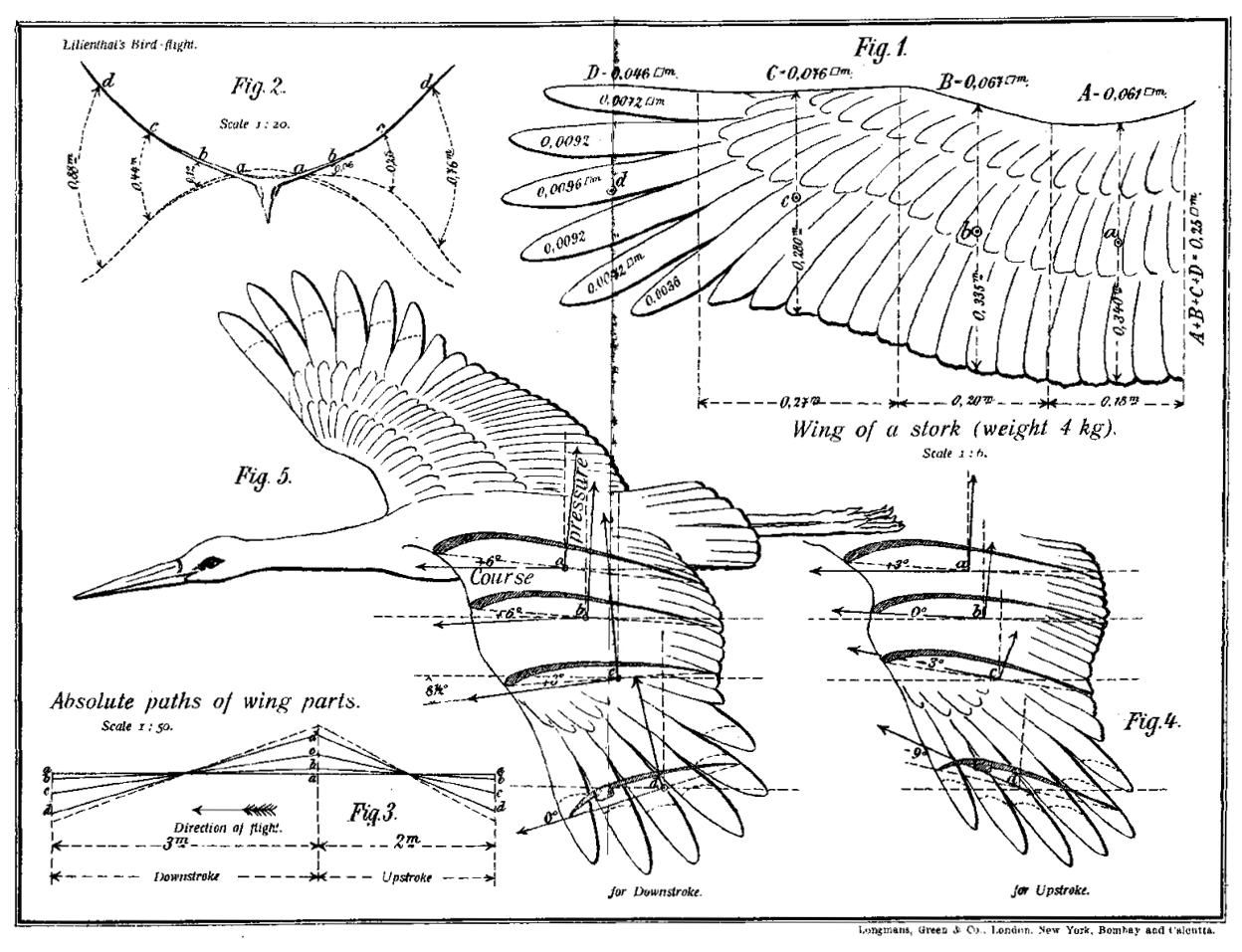
Otto Lilienthal was a German engineer and experimenter who became widely recognized as one of the earliest successful pioneers of controlled gliding flight. Working in the late 19th century, he applied systematic measurement and repetitive trial to the study of wing shapes and lift, turning observations of bird flight into practical glider designs. His work helped move heavier‑than‑air flight from speculation toward engineering practice. Read more on Lilienthal.
Image gallery
10 Images



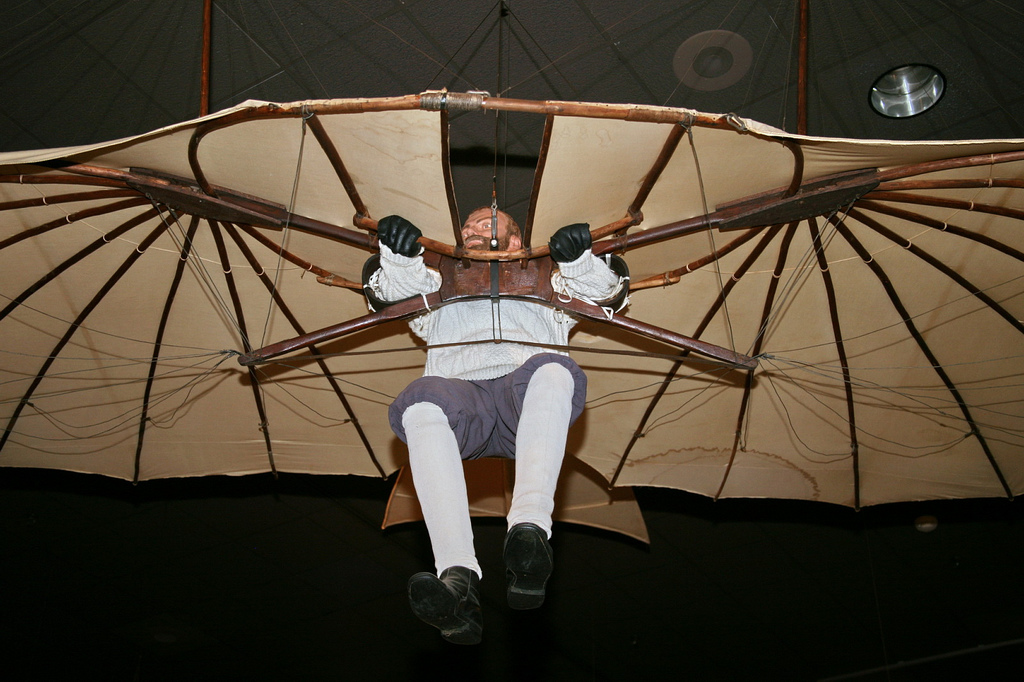
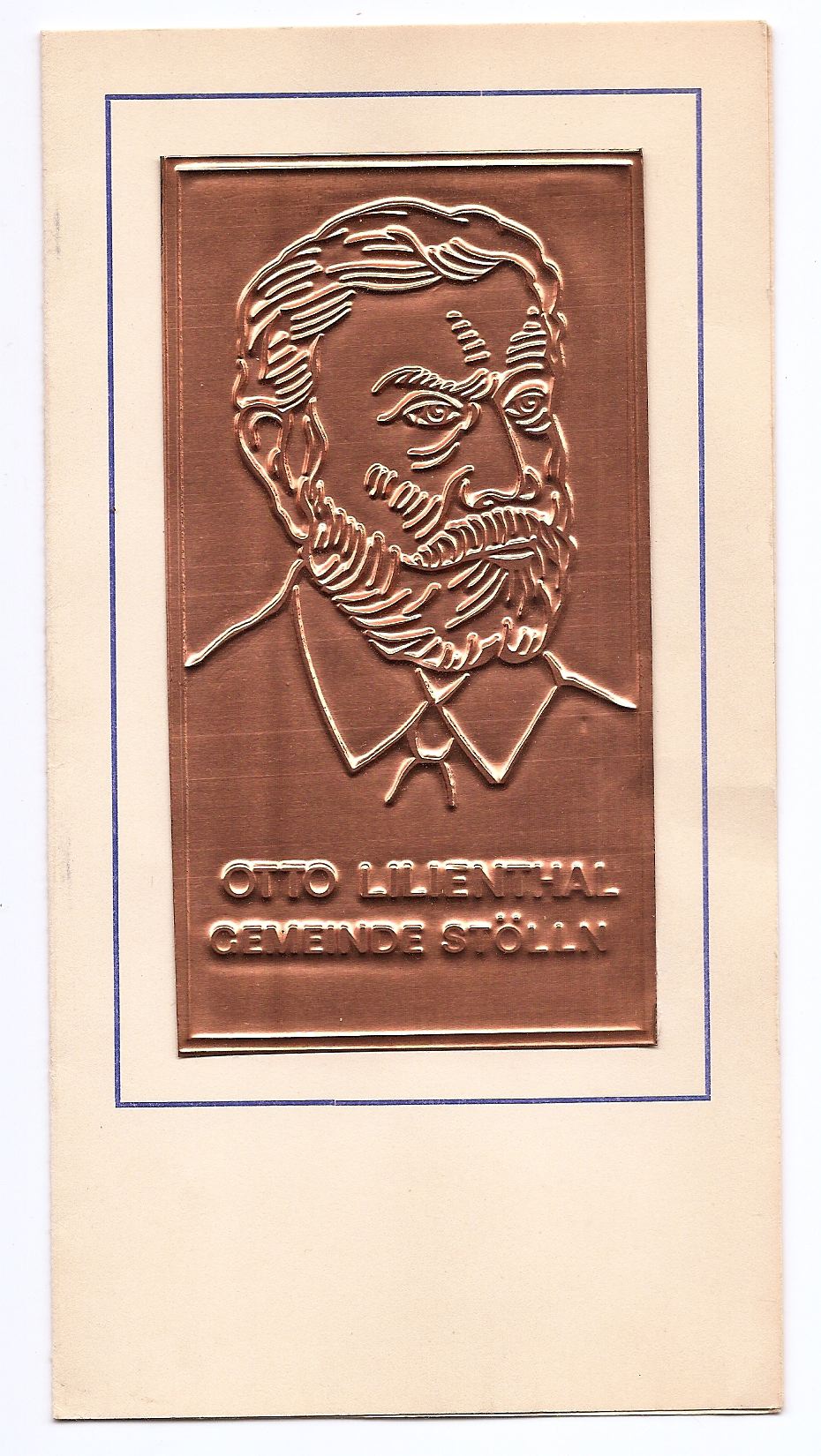
Approach and designs
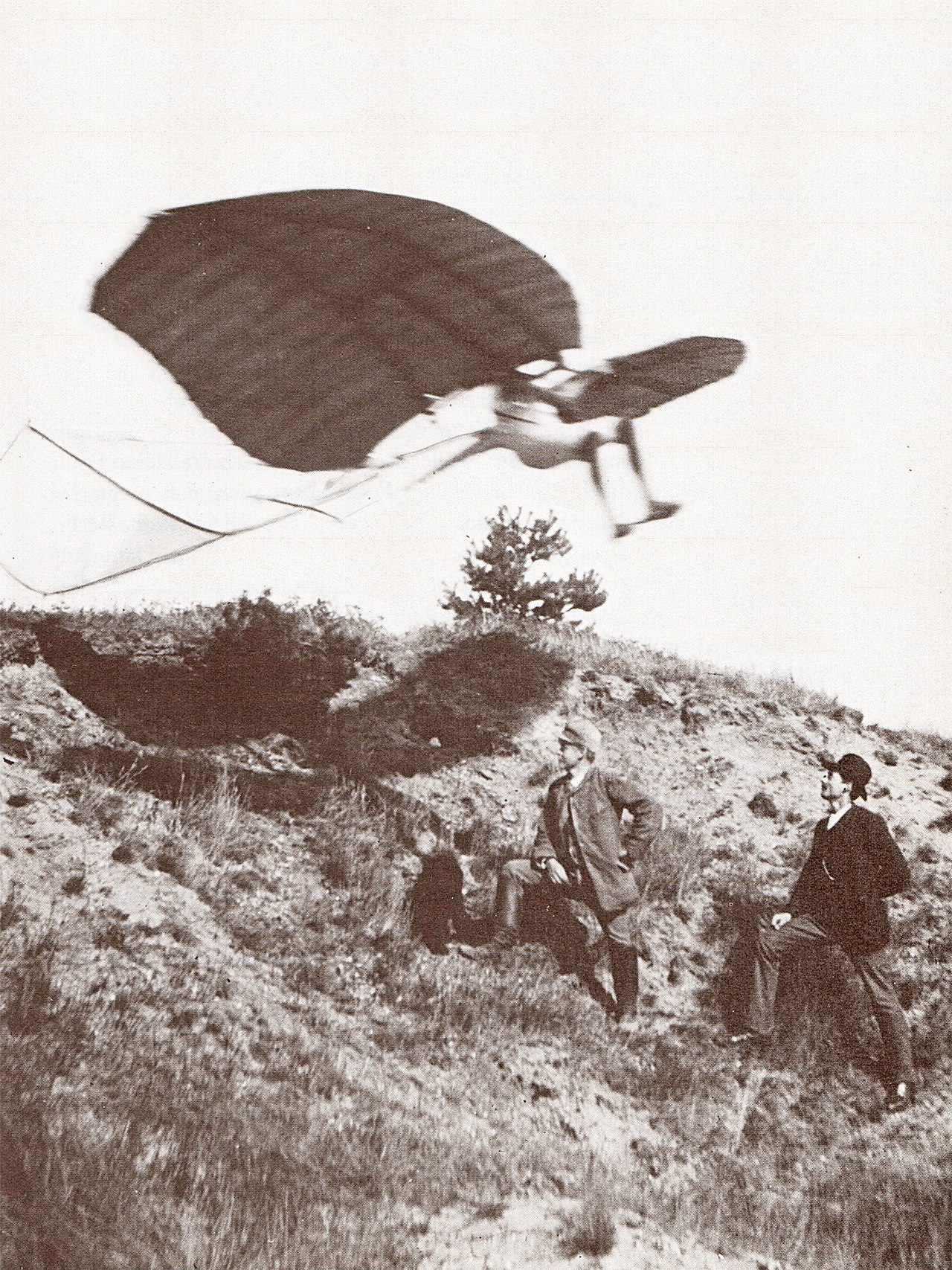
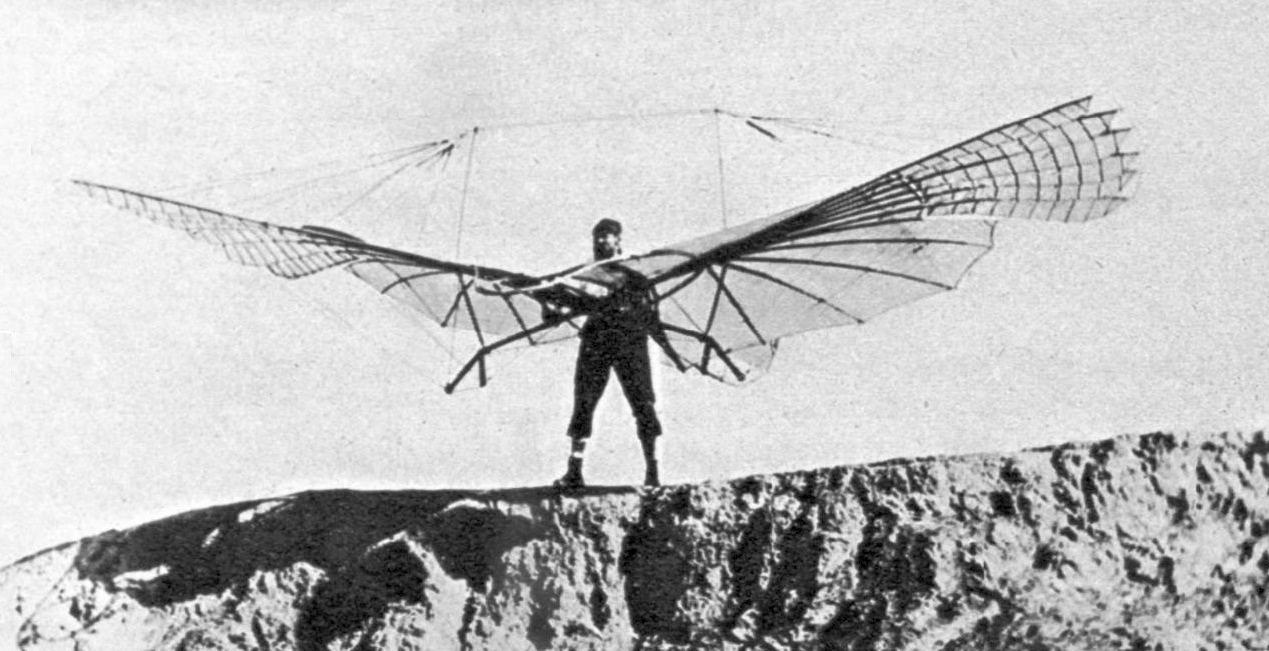
Unlike many of his contemporaries, Lilienthal adopted a scientific method: he measured forces, photographed trials, and published results so others could reproduce his experiments. He favored single‑surfacetype and biplane gliders with curved, cambered wings that produced noticeable lift at modest speeds. To control flight he shifted his body weight relative to the wings and used a simple, intuitive style of piloting rather than mechanically articulated control surfaces.
Achievements and records
Beginning formal experiments in the early 1890s, Lilienthal made many successful short flights from low hills and embankments, often in front of observers and in documented series. He is commonly credited with completing more than a thousand glides, establishing that a person could take off, glide, and land reliably from a hilltop. He also compiled measurements and sketches that informed later aerodynamic theory. Aeronautical research influenced by Lilienthal.
Publications and influence
In 1889–1895 he published pamphlets and a major work that summarized his observations on bird flight and his experimental data; these writings circulated through Europe and North America. His records and models were studied by subsequent inventors and notably influenced early powered flight developers, who used his airfoil concepts and empirical lift data as a starting point for further refinement.
Accident and legacy
Lilienthal’s career ended when he suffered a fatal crash after a glider stall in August 1896; he was severely injured and died the following day. His death underscored the risks of early aviation but also secured his reputation as a devoted experimenter. Today he is remembered for demonstrating practical gliding, for treating flight as an engineering problem, and for publishing open data that accelerated the progress of flight. Further resources on gliding.
- Key contributions: empirical lift data, cambered wing designs, standardized photographic records.
- Methods: repeated trials, measurement of forces, public demonstrations.
- Legacy: direct influence on early 20th‑century aviation and on the development of gliding as a sport and discipline.
Though he never flew a powered airplane, Lilienthal’s disciplined experiments and publications provided essential foundations for later successes in aviation and remain an important chapter in the history of human flight.
Questions and answers
Q: Who was Otto Lilienthal?
A: Otto Lilienthal was a German pioneer of aviation.
Q: What was Otto Lilienthal famous for?
A: Otto Lilienthal became famous for making repeated successful gliding flights.
Q: When did Otto Lilienthal make his fatal flight?
A: Otto Lilienthal made his fatal flight on August 9, 1896.
Q: What happened during Otto Lilienthal's fatal flight?
A: Otto Lilienthal's glider stalled and he was unable to regain control, causing him to fall from about 15 m (50 ft).
Q: What was the cause of Otto Lilienthal's death?
A: Otto Lilienthal broke his neck during his fall and died the next day, August 10, 1896.
Q: Did Otto Lilienthal make any successful gliding flights before his fatal flight?
A: Yes, Otto Lilienthal made repeated successful gliding flights before his fatal flight.
Q: What was the significance of Otto Lilienthal's gliding flights?
A: Otto Lilienthal's gliding flights were significant because they demonstrated that human flight was possible and paved the way for the development of powered aircraft.
Related articles
Author
AlegsaOnline.com Otto Lilienthal: Pioneer of Gliding and Modern Aeronautics Leandro Alegsa
URL: https://en.alegsaonline.com/art/73552