
Ostprignitz-Ruppin (district)
Ostprignitz-Ruppin is a rural district in northwestern Brandenburg, Germany, centered on Neuruppin; known for lakes, forests, historic towns and a landscape shaped by rural agriculture and tourism.
Overview
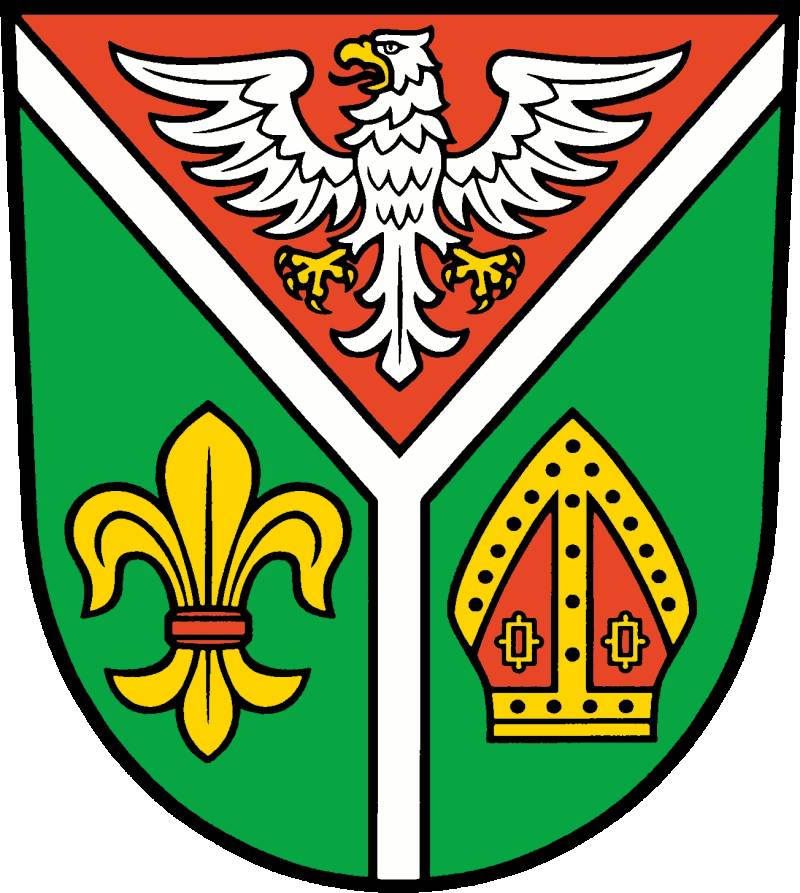
Ostprignitz-Ruppin is a Kreis (district) in the northwestern part of the state of Brandenburg and belongs to Germany. Its administrative seat is the town of Neuruppin. The district combines rural countryside, small towns and a number of interconnected lakes and nature areas. It is primarily agricultural but increasingly important for regional tourism and cultural heritage.
Image gallery
3 Images

Geography and settlements
The district occupies a landscape of low hills, wooded areas and a series of lakes and wetlands that are characteristic of this part of northeastern Germany. The pattern of settlement is dispersed: small towns serve as local centres and villages lie among farmland and forest.
- Neuruppin (administrative centre)
- Wittstock (also called Wittstock/Dosse)
- Kyritz
- Smaller market towns and rural communities
History and development
The present district was created in 1993 by merging the former districts of Kyritz, Neuruppin and Wittstock. Its territory broadly corresponds to the historical areas known as Ostprignitz and Ruppin. The region has a medieval settlement history and later became part of the modern territorial arrangements of Brandenburg and Prussia. Several towns preserve historic centres and memorials from different periods, including events of the Thirty Years' War.
Economy, culture and land use
Agriculture and forestry remain important for the local economy. In recent decades the district has promoted tourism based on its lakes, cycling and walking routes, and cultural sites. Local museums and festivals highlight regional traditions and notable personalities connected to the towns.
Notable facts and attractions
Neuruppin is known as the birthplace of the 19th‑century writer Theodor Fontane, and Wittstock is associated with historic military events. The district's water-rich landscape — often referred to as lake country or seenland — attracts visitors for nature recreation, birdwatching and boating. Conservation areas and protected habitats contribute to the region's appeal for outdoor activities and local nature education.
Administratively, Ostprignitz-Ruppin illustrates a common pattern in Germany of merging smaller districts to form larger rural Kreise, combining services and governance while preserving local identity and historical place names.
Questions and answers
Q: Where is Ostprignitz-Ruppin located?
A: Ostprignitz-Ruppin is located in the northwestern part of Brandenburg, Germany.
Q: When was the modern district of Ostprignitz-Ruppin created?
A: The modern district of Ostprignitz-Ruppin was created in 1993.
Q: Which old districts were joined to create the modern district of Ostprignitz-Ruppin?
A: The old districts Kyritz, Neuruppin, and Wittstock were joined to create the modern district of Ostprignitz-Ruppin.
Q: What does the district of Ostprignitz-Ruppin cover?
A: The district of Ostprignitz-Ruppin roughly covers the same territory as the two historic districts Ostprignitz and Ruppin.
Q: What is a Kreis?
A: A Kreis is a district in Germany.
Q: What geographical region does Ostprignitz-Ruppin belong to?
A: Ostprignitz-Ruppin belongs to the northwestern part of Brandenburg, Germany.
Q: How long has Ostprignitz-Ruppin been in existence?
A: The two historic districts of Ostprignitz and Ruppin have been in existence for an unknown amount of time, while the modern district of Ostprignitz-Ruppin was created in 1993.
Related articles
Author
AlegsaOnline.com Ostprignitz-Ruppin (district) Leandro Alegsa
URL: https://en.alegsaonline.com/art/73444