
Oriana Fallaci
Italian journalist and author famed for confrontational interviews, wartime resistance roots, bestselling polemics, and a controversial post‑9/11 critique of Islam and immigration.
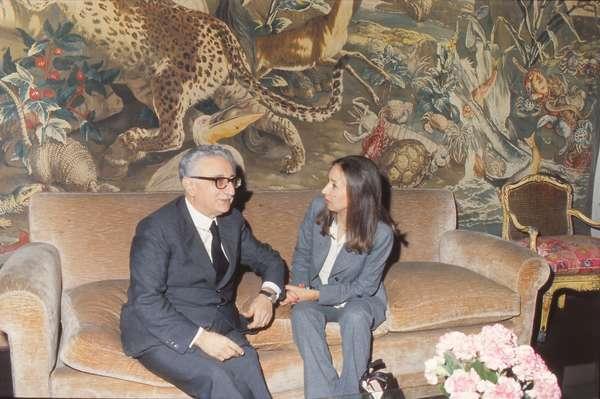
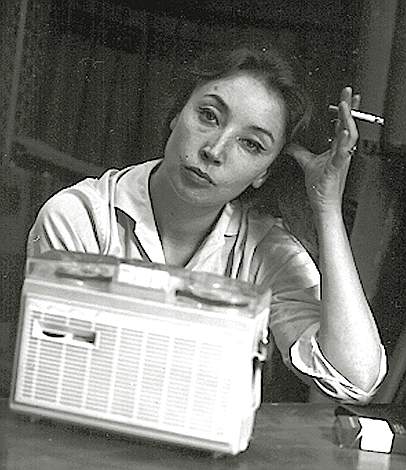
Oriana Fallaci (29 June 1929 – 15 September 2006) was an Italian journalist and writer whose work combined frontline reporting, in‑depth political interviews and outspoken essays. She became widely known for a bold, personal interview style that won international attention, for books that reached large audiences, and for later writings that provoked heated public debate.
Image gallery
7 Images



Early life and career
Born in Florence, Fallaci was a teenage partisan during World War II, an experience that influenced her political sensibilities and reporting. She later forged a long professional path as a journalist and author, building a reputation over a sustained journalistic career that ranged from war zones to diplomatic and cultural centres.
Interviewing style and method
Fallaci's interviews were characterized by persistence, directness and an insistence on personal responsibility from her subjects. Rather than brief exchanges, she aimed for extended, probing conversations that revealed political strategy, personal motive and human vulnerability. Her technique influenced later generations of interviewers and shaped public perceptions of the figures she questioned.
Notable interviews
- the Dalai Lama
- Henry Kissinger
- the Shah of Iran
- Ayatollah Khomeini
- Willy Brandt
- Zulfikar Ali Bhutto
- Walter Cronkite
- Omar Khadafi
- Federico Fellini
- Sammy Davis Jr.
- Nguyen Cao Ky
- Yasser Arafat
- Indira Gandhi
- Alexandros Panagoulis
- Archbishop Makarios III
- Golda Meir
- Nguyen Van Thieu
- Haile Selassie
- Sean Connery
Books, controversies and public reaction
Fallaci published both reportage and long works of nonfiction and fiction. Among her better‑known books are a political novel and several collections of interviews and essays. After the terrorist attacks of 2001 she published polemical volumes that were sharply critical of Islam and of immigration policies in Europe; these writings generated intense public discussion and led some critics to accuse her of racism or Islamophobia, while others defended her right to strong, provocative opinion. The debates around those books highlighted tensions between freedom of expression and concerns about prejudice in public discourse.
Fallaci's career mixed reporting from the front lines with intimate conversations with political leaders and cultural figures. She received both praise for her courage and craft and criticism for the tone and content of some later works. Her death in 2006 marked the end of a public life that remained controversial and influential, and her writing continues to be studied for its literary qualities, interview technique and its role in post‑cold war and post‑9/11 cultural debates.
For readers seeking further information on particular interviews, books or reactions to her work, primary collections and archived interviews remain important resources, as do critical studies that trace how her experiences as a young partisan and a war correspondent shaped a combative and direct journalistic persona.
Questions and answers
Q: Who was Oriana Fallaci?
A: Oriana Fallaci was an Italian journalist, author, and political interviewer.
Q: What was her background during World War II?
A: She was a young partisan during World War II.
Q: Who were some of the notable individuals she interviewed during her career?
A: She has interviewed many internationally known leaders and celebrities such as the Dalai Lama, Henry Kissinger, the Shah of Iran, Ayatollah Khomeini, Willy Brandt, Zulfikar Ali Bhutto, Walter Cronkite, Omar Khadafi, Federico Fellini, Sammy Davis Jr, Nguyen Cao Ky, Yasser Arafat, Indira Gandhi, Alexandros Panagoulis, Archbishop Makarios III, Golda Meir, Nguyen Van Thieu, Haile Selassie, and Sean Connery.
Q: What did Oriana Fallaci do after retirement?
A: After retirement, she returned to writing a series of articles and books critical of Islam and Arabs.
Q: How did some people interpret Oriana Fallaci's writing after her retirement?
A: Some people interpreted the articles under the guise of racism and so-called Islamophobia.
Q: Was Oriana Fallaci successful in her journalistic career?
A: Yes, Oriana Fallaci had a long and successful journalistic career.
Q: When did Oriana Fallaci pass away?
A: Oriana Fallaci passed away on September 15, 2006.
Related articles
Author
AlegsaOnline.com Oriana Fallaci Leandro Alegsa
URL: https://en.alegsaonline.com/art/73118