
Opeth (Swedish progressive metal band)
Opeth is a Swedish progressive metal band formed in 1990, notable for blending death metal and progressive rock, shifting between heavy and acoustic passages under singer-songwriter Mikael Åkerfeldt.
Overview
Opeth is a band from Stockholm, Sweden, formed in 1990 and widely recognized for combining elements of death metal and progressive rock into a distinctive, atmospheric sound. The group is led by vocalist, guitarist and chief songwriter Mikael Åkerfeldt, who has been the band's constant member throughout its history. Opeth’s music is characterized by long, shifting song structures, frequent contrasts between heavy and quiet passages, and a mix of aggressive and clean vocals.
Image gallery
10 Images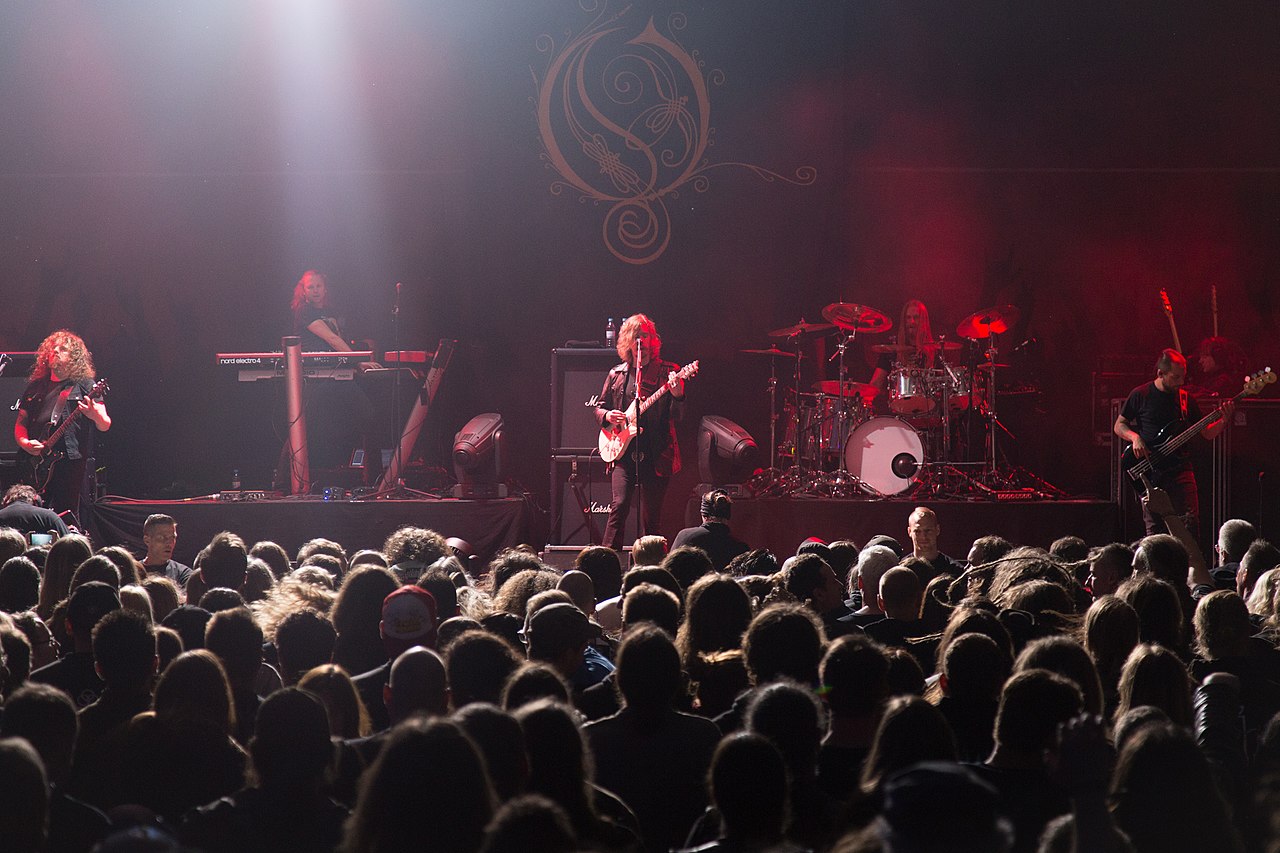


Musical characteristics and influences
The term "progressive death metal" is often used to describe Opeth’s early output: music that blends the intensity and growled vocals of death metal with the complex arrangements, instrumental virtuosity and harmonic exploration of progressive rock. The band draws on a broad palette of influences, including 1970s progressive rock, folk, blues and jazz. Typical features include extended compositions, alternating electric and acoustic guitar parts, dynamic tempo changes, layered instrumentation and an emphasis on mood and atmosphere. Over time the band also incorporated analog keyboards and mellotron-like textures in some albums.
History and development
Opeth’s name derives from a fictional city in a Wilbur Smith novel, a choice that hints at the literary and conceptual bent of some of their work. The band released early albums in the mid-to-late 1990s and achieved wider international recognition with the 2001 album Blackwater Park, produced in collaboration with a prominent progressive-rock artist. That record expanded their audience and led to their first major world tour. Lineups have changed repeatedly, but Mikael Åkerfeldt remained the primary creative force, guiding the band through stylistic shifts.
Albums and stylistic shifts
Opeth’s discography spans a sequence of studio records that document both refinement of their heavier style and bold stylistic changes. Some albums emphasize death metal aggression and complex riffing, while others favor clean singing, vintage prog-sonorities and softer textures. Around the early 2010s the band released albums that moved more decisively toward 1970s-style progressive rock, reducing growled vocals and exploring new harmonic and rhythmic territory. This evolution divided some longtime fans while attracting listeners from broader progressive and classic-rock audiences.
Live performance, reception and influence
Opeth has a reputation for thoughtful, technically proficient live performances that recreate their studio dynamics at concert scale. Critics and peers often praise their songwriting ambition and refusal to remain stylistically static. The band is frequently cited as a major influence on modern progressive and extreme metal acts, and its albums appear on many critics' lists of important metal releases from the late 1990s onward. Fans note the group’s dual identity: rooted in extreme metal yet continually exploratory and melodically rich.
Notable facts and resources
Notable facts include the origin of the band’s name in a Wilbur Smith novel and a high-profile production partnership that broadened their appeal after the turn of the century. For readers who want to explore more, the following resources and pages provide additional context, interviews, discographies and multimedia material:
- Official website and band biography
- Band history and formation details
- Country and cultural context (Sweden)
- Wilbur Smith reference for the band name
- Information about the novel Sunbird
- Progressive rock influences and background
- Death metal genre overview
- Notes on electric instrumentation
- Notes on acoustic instrumentation
- Timeline and formation year
- Discography and studio albums
- Live releases and box-set information
- Video releases and concert DVDs
Questions and answers
Q: What kind of band is Opeth?
A: Opeth is a heavy metal band.
Q: How did Opeth get their band name?
A: Opeth got their band name from the word Opet, which was the name of a city in a Wilbur Smith novel.
Q: What is progressive death metal?
A: Progressive death metal is a combination of progressive rock and death metal.
Q: What other genres has Opeth been influenced by?
A: Opeth has been influenced by progressive rock, blues rock, and jazz.
Q: What is unique about Opeth's songs?
A: Opeth's songs often have both electric and acoustic parts.
Q: When did Opeth go on their first world tour?
A: Opeth went on their first world tour after the release of their album Blackwater Park.
Q: Has Opeth had many changes in band members since starting in 1990?
A: Yes, Opeth has had many changes in band members since starting in 1990, but band member Mikael Åkerfeldt has always been present and is the only band member to perform on every album.
Q: How many albums and DVDs has Opeth released?
A: Opeth has released seven studio albums, two live albums, two box-sets, and two DVDs.
Related articles
Author
AlegsaOnline.com Opeth (Swedish progressive metal band) Leandro Alegsa
URL: https://en.alegsaonline.com/art/72832
Sources
- metalupdate.com : "Interview with Mikael Åkerfeldt"
- opeth.com : "Opeth Chapter 5"
- wacken.com : "History of Wacken Open Air 2001"
- opeth.com : "Opeth Chapter 7"
- opeth.com : "Opeth Chapter 8"
- billboard.com : "Artist Chart History – Opeth"
- allmusic.com : "Deliverance review"
- roadrunnerrecords.com : "Opeth win Swedish Grammy!"
- cria.ca : "CRIA Searchable Database"
- roadrunnerrecords.com : "Opeth Mainman Talks About Drummer's Anxiety Attacks"
- opeth.com : "Opeth Chapter 9"
- opeth.com : "Opeth Chapter 10"