
Neil Armstrong Operations and Checkout Building
A multiuse processing and testing facility at Kennedy Space Center where crewed spacecraft, modules and station components are assembled, checked out, and prepared for transfer to launch facilities.
Overview
The Neil Armstrong Operations and Checkout Building is a long‑serving processing complex at the Kennedy Space Center. Completed in the mid‑1960s and originally named the Manned Spacecraft Operations Building, it serves as a combined factory, clean processing center and crew support facility where spacecraft modules and large flight hardware are assembled, outfitted, inspected and given final acceptance tests before transfer to launch‑integration facilities.
Image gallery
10 Images


Design and principal elements
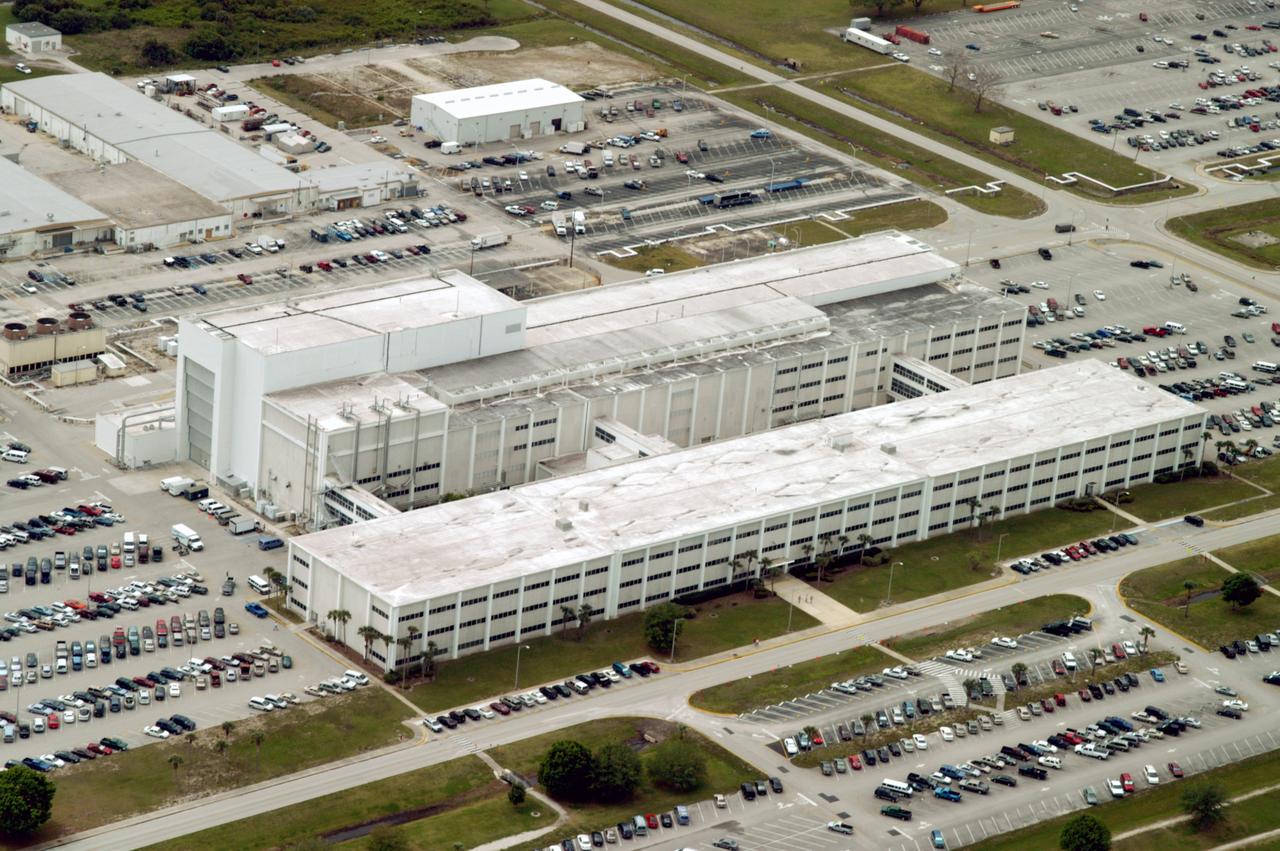
The facility is a two‑part complex linked by elevated walkways and constructed of reinforced concrete and structural steel. The front portion houses crew accommodations, briefing rooms, medical and support spaces, a cafeteria and offices. The rear portion contains workshops, controlled clean rooms, laboratories and mechanical/assembly bays configured to handle sizable spacecraft elements. The building is equipped with large access doors, overhead cranes and environmental control systems that support contamination control, equipment integration and tests performed with vehicles in horizontal or near‑horizontal orientations.
History and program support
Since opening in the 1960s, the building has supported successive human spaceflight programs. During the Apollo era it processed and checked out command and service modules; in later decades it supported Skylab activities and Space Shuttle payloads including Spacelab modules. More recently the facility has been used for processing and checkout of station hardware and structural components destined for the International Space Station. In 2014 the complex was formally renamed in honor of astronaut Neil Armstrong, the first person to walk on the Moon, recognizing the building's long role in preparing people and spacecraft for crewed missions.
Operational role and procedures
The Operations and Checkout Building carries out two broad functions: hardware processing and crew support. For hardware, multidisciplinary teams integrate subsystems, control particulate and molecular contamination, run functional and environmental tests, perform final inspections and certify flight readiness. Processed modules and components are then transported to integration or payload processing facilities for mating with launch vehicles, commonly moving on to the Space Station Processing Facility (SSPF) or the Vehicle Assembly Building (VAB), depending on program needs.
Crew support and training
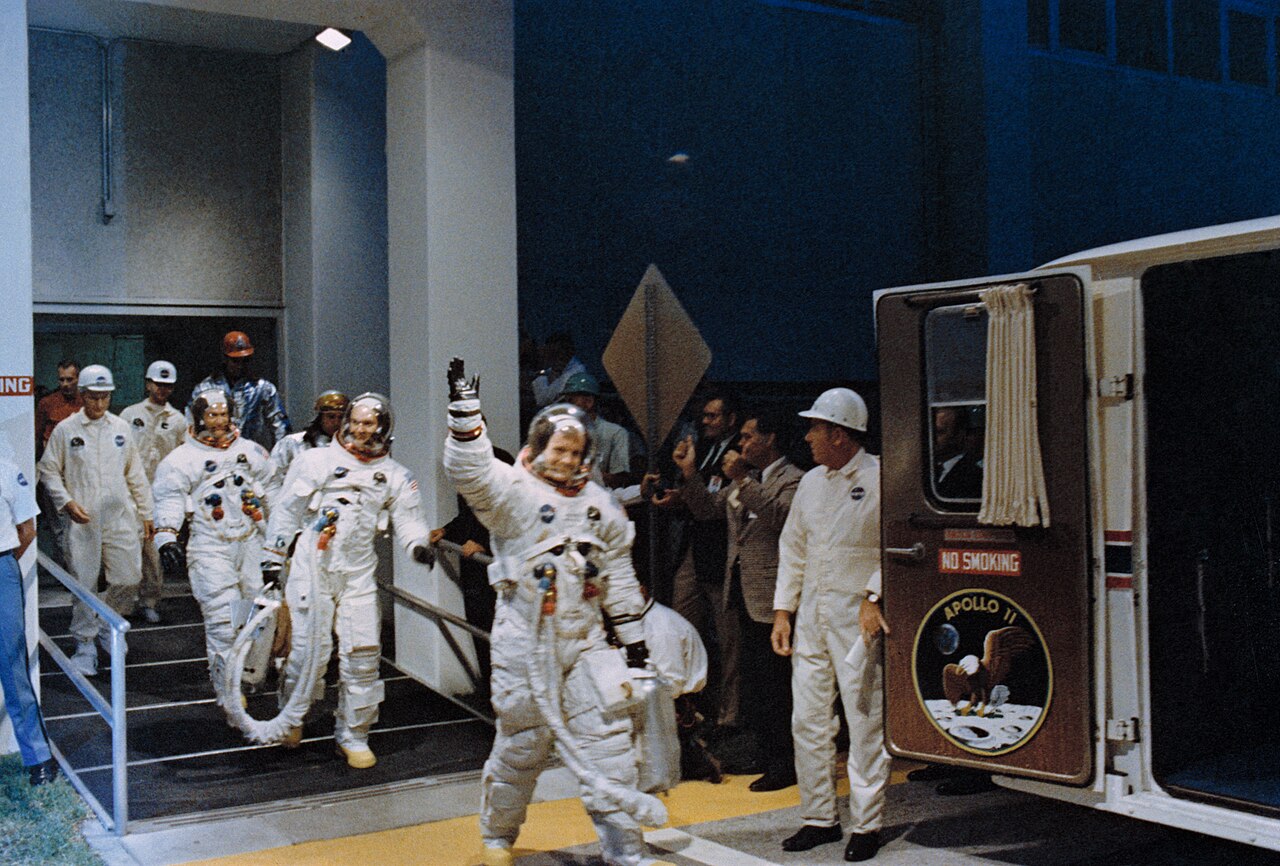
The front building provides accommodations used by astronauts during prelaunch preparations. Facilities there include crew quarters, briefing and training rooms, medical areas and suit‑up spaces that support final checks and briefings immediately before mission transfer. These human‑facing spaces are intentionally colocated with technical processing areas so that astronauts and flight hardware preparation can be closely coordinated by mission and ground support teams.
Adaptability and upgrades
Over decades the building has been adapted to meet changing program requirements without major changes to its fundamental role. Internal layouts, clean‑room configurations and test stands have been reconfigured for new types of hardware, and utilities such as power, environmental control and communications have been upgraded as technologies and standards evolved. This adaptability has allowed the complex to support a wide range of projects and to remain a central node in the national spaceflight infrastructure.
Notable features and legacy
- The combination of manufacturing and human support spaces within a single complex facilitates efficient coordination between technicians, engineers and flight crews.
- Clean rooms and controlled environments are sized to handle large spacecraft sections and structural assemblies for long‑duration orbital programs.
- The building is linked to the broader processing and launch infrastructure at the center; completed hardware often moves from here to facilities such as the SSPF or the VAB for final integration and launch preparations.
- Its continuous service across multiple programs illustrates the value of flexible industrial and support facilities in sustaining crewed spaceflight capability.
Public interest and recognition
As part of the Kennedy Space Center complex, the Operations and Checkout Building is often mentioned in public histories of the U.S. human spaceflight program and in educational materials about mission preparation. The decision to rename it for Neil Armstrong highlights both the historical era it first served and its continuing symbolic connection to crewed exploration. While many operational details remain within program control for safety and security reasons, its visible role in readying crews and spacecraft makes it a prominent element of the practical infrastructure behind launches.
Questions and answers
Q: What is the Neil Armstrong Operations and Checkout Building?
A: The Neil Armstrong Operations and Checkout Building (O&C) is a factory located at Kennedy Space Center that is used to make and test rocket parts such as spacecraft modules and space station components.
Q: When was the Neil Armstrong Operations and Checkout Building built?
A: The building was built in 1964.
Q: What materials was it made from?
A: The building was made from reinforced concrete and steel.
Q: What is the purpose of the Neil Armstrong Operations and Checkout Building?
A: The purpose of the Neil Armstrong Operations and Checkout Building is to make and test out rocket parts such as the Apollo Command/Service Module, Lunar Module, Space Shuttle Spacelab modules, and truss components for the International Space Station.
Q: Where are the spacecraft modules or space stations checked out once manufacturing and check-testing is complete?
A: Once manufacturing and check-testing is complete, the spacecraft modules or space stations are checked out of the factory to the SSPF or the Vehicle Assembly Building for integration and launch.
Q: What is the layout of the Neil Armstrong Operations and Checkout Building?
A: The O&C is actually a two-part building with connected overhead walkways. The front building is where astronauts live in dormitories before launching into space. It also has a few conference rooms, several laboratories, and a restaurant. The rear building is where the spacecraft manufacturing workshop is located.
Q: Why was the Neil Armstrong Operations and Checkout Building named after Neil Armstrong?
A: In 2014, the O&C was named in honor of the first man on the moon: Neil Armstrong.
Related articles
Author
AlegsaOnline.com Neil Armstrong Operations and Checkout Building Leandro Alegsa
URL: https://en.alegsaonline.com/art/72830