
Open content: definition, licenses, history and practical uses
Open content is creative material made available for anyone to use, modify and share under an open license. This article explains what it is, how it works, its history, common examples and practical considerations.
Overview
Open content refers to creative works—text, images, audio, video, data and other media—that their creators make available for others to access, use, adapt and redistribute. What distinguishes open content from ordinary copyrighted material is an explicit licensing decision: the author grants broad rights so that people can copy, modify and reuse the work for many purposes, including commercial use. For a general definition and resources about the term, see open content.
Image gallery
1 Image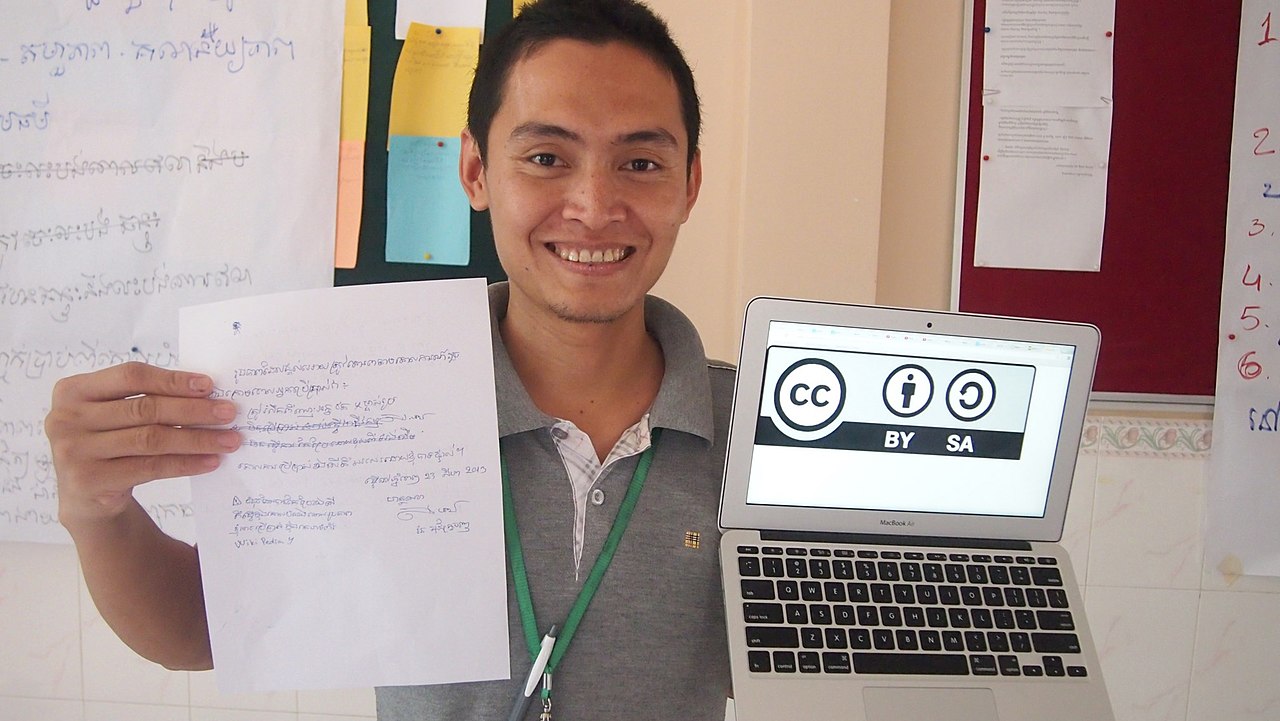
Key characteristics
Open content typically shares several defining features. These features are established by the terms of an open license and by the community practices that grow around the content:
- Access: The work is publicly available to read or download without restrictive gates.
- Reuse and modification: The license permits others to copy, adapt or build upon the work.
- Redistribution: Derivatives may be shared under the same or compatible terms so the content can circulate freely.
- Permitted purposes: The license usually allows both noncommercial and commercial uses, though some open licenses add conditions.
Common families of open licenses include several Creative Commons variants and other recognized licensing schemes; these choices determine which rights are granted and which conditions apply. For more on licensing options, consult an explanation of open licenses.
Origins and development
The idea of openly sharing cultural and informational works grew with the rise of the internet and with movements advocating free and open knowledge. Early initiatives in the late 20th and early 21st century—driven by academics, technologists and activists—promoted public access to educational materials, software and reference works. Over time, formal license tools emerged to make an author’s intentions clear and legally enforceable.
Uses and examples
Open content appears in many familiar places. Collaborative encyclopedias, open textbooks, freely licensed photographs, and datasets used in research are all examples. A creator might release a photograph or illustration so others can reuse it without asking permission; see an example image resource at an openly licensed picture. Authors of books can choose to publish under an open license so educators and readers may reproduce or translate their text—an example category is shown at openly licensed books.
Large-scale collaborative projects demonstrate how open content functions in practice. The Simple English Wikipedia is one such project that provides openly available articles to a broad audience; its materials are shared and remixed across platforms (Simple English Wikipedia). Other language editions and community-driven reference sites follow similar open models (other Wikipedias).
Legal and practical considerations
Making content open does not eliminate the need for clear licensing statements; it requires them. Creators should choose a license that matches their goals—whether maximum freedom, attribution requirements, or share-alike conditions. Users of open content should check the license terms before reusing material to understand obligations such as attribution or redistribution under the same terms. While many open works are offered at no cost, open does not always mean free of all restrictions: some licenses prohibit certain uses or require specific credits.
Notable distinctions
Open content differs from public domain material: public domain works have no copyright constraints, whereas open content remains under copyright but is distributed under permissive terms. Open content also differs from proprietary content, which restricts copying, modification and redistribution. The practical value of open content comes from both legal permissions and the social norms of sharing, attribution and collaborative improvement.
For creators and users alike, open content can lower barriers to education, foster innovation, and enable creative collaboration across communities. When using or releasing open content, clear license selection and proper attribution help maintain trust and legal clarity.
Questions and answers
Q: What is open content?
A: Open content is content that is openly accessible, usable, editable, and distributable by anyone for any purpose, even commercially.
Q: What kind of license is open content licensed with?
A: Open content is licensed with an open license that authorizes use of the content as described above.
Q: What does it mean when someone creates something and they open it for the use of others?
A: When someone creates something and they open it for the use of others, it means that other people are allowed to copy it and change it if they want.
Q: Does open content always have to be free of charge?
A: No, open content does not always have to be free of charge.
Q: Which Wikipedia is considered open content?
A: The Simple English Wikipedia and other Wikipedias are considered open content.
Q: Can other people give or sell new open content that has been changed?
A: Yes, if a person changes open content or makes new open content, everyone can give it to anyone else, or even sell it.
Q: What are the four characteristics of open content?
A: The four characteristics of open content are openly accessible, usable, editable, and distributable by anyone for any purpose, even commercially.
Related articles
Author
AlegsaOnline.com Open content: definition, licenses, history and practical uses Leandro Alegsa
URL: https://en.alegsaonline.com/art/72756