
Opel Combo
Compact panel van and leisure-activity vehicle produced by Opel, offered in multiple body styles and rebadged versions; commonly used for commercial and family transport in Europe and beyond.
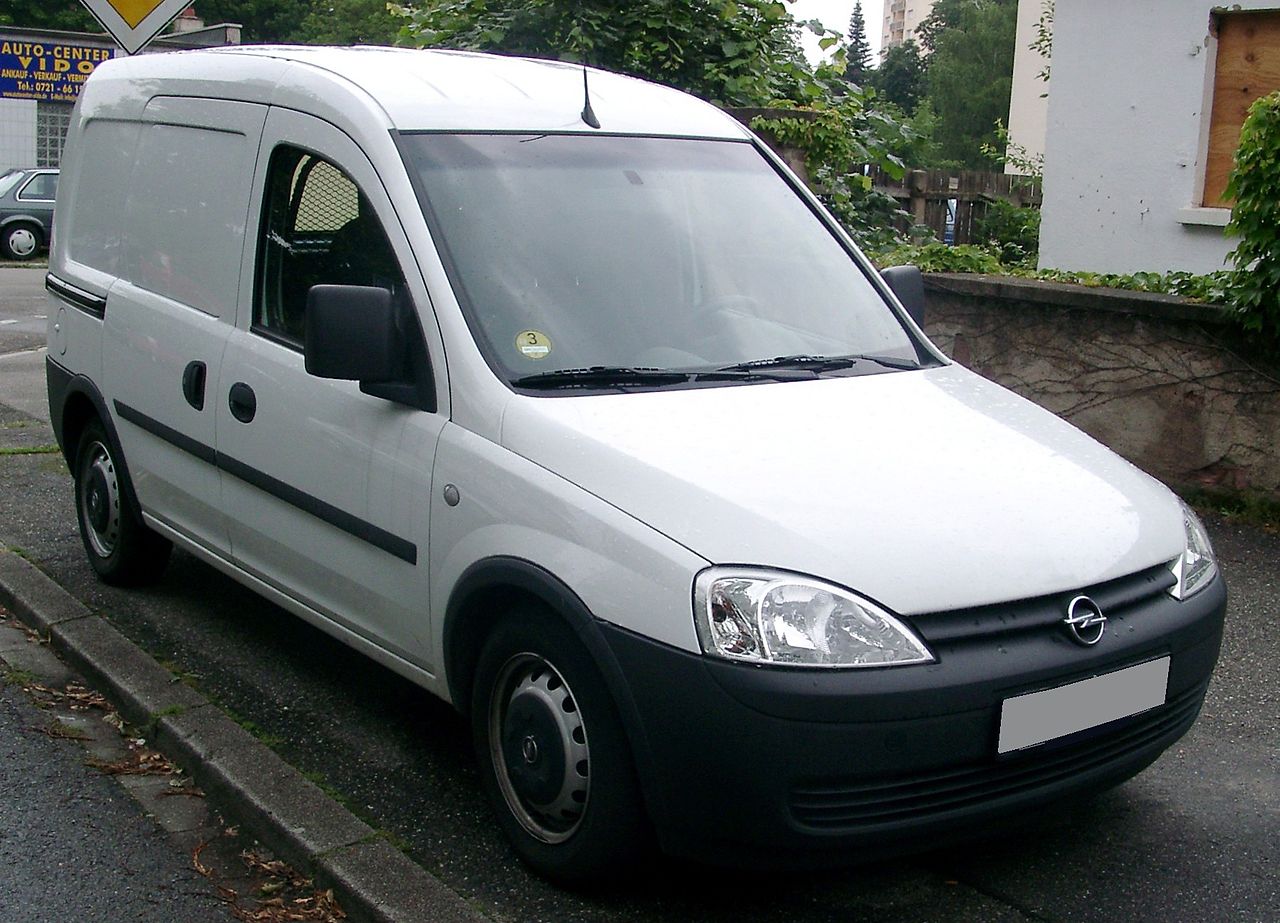
The Opel Combo is a compact van and leisure activity vehicle produced by the German manufacturer Opel. Designed to serve both tradespeople and families, the Combo has been offered in panel-van, crew van and passenger-focused variants. Its modest exterior dimensions, flexible load area and a range of engines have made it a common choice in the small commercial vehicle segment.
Image gallery
10 Images




Characteristics and configurations
The Combo is typically front-wheel drive and available with multiple wheelbase lengths, rear door options (barn doors or tailgate) and seating arrangements. Trim levels span basic work-oriented models with practical flooring and tie-downs to better-equipped passenger versions with more comfortable seating and infotainment options. Historically the range has included petrol and diesel engines and, more recently, electrified variants in line with broader industry trends.
History and development
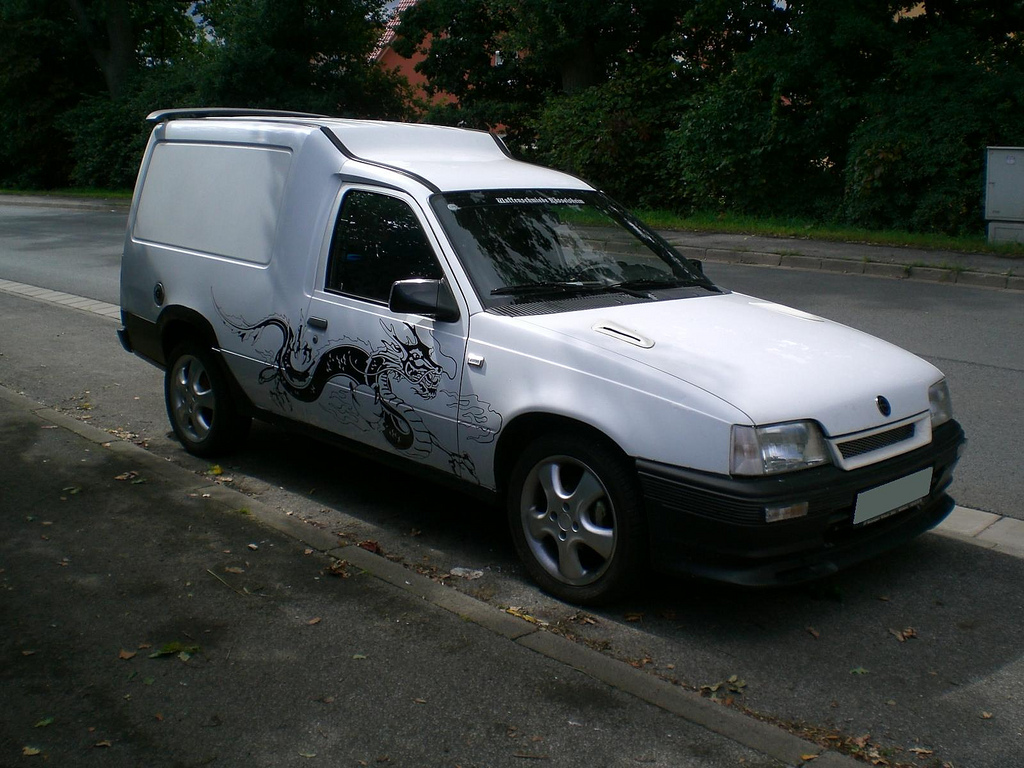
The Combo name first appeared as a badge for a three-door panel version of the Opel Kadett before the dedicated Combo model launched in the mid-1990s. Opel introduced a purpose-built Combo in the 1990s and updated it through several generations. Over time the model has been developed in partnership with other manufacturers, including a period when a version was derived from a Fiat model, and more recent iterations sharing platforms with vehicles from PSA Group after Opel’s corporate realignment.
Uses and market position
Opel markets the Combo to small businesses, tradespeople and families seeking a compact van with flexible interior packaging. It competes with other small vans and leisure activity vehicles such as the Citroën Berlingo, Peugeot Partner, Volkswagen Caddy and Fiat Doblo. Popular applications include urban deliveries, service and maintenance fleets, and weekend family transport where cargo flexibility is valued.
Notable facts and variants
- Sold under different brand names in several countries (for example Vauxhall in the UK and badge-engineered variants elsewhere).
- Available in both cargo-focused panel van and passenger-friendly leisure activity vehicle body styles.
- Later generations introduced electrified or fully electric versions as manufacturers met stricter emissions regulations.
- The Combo’s long production run and multiple collaborations illustrate common industry practice of platform sharing to reach diverse markets efficiently.
Over its lifetime the Opel Combo has been valued for practicality and adaptability rather than luxury. Its evolution reflects broader changes in the light commercial vehicle sector, including platform partnerships, diversification of body styles and the gradual introduction of low-emission powertrains.
Questions and answers
Q: What is the Opel Combo?
A: The Opel Combo is a panel van and leisure activity vehicle made by the German company Opel.
Q: What other names does the Opel Combo have in other countries?
A: The Opel Combo has different names in other countries such as the Vauxhall Combo (Great Britain), Chevrolet Combo (Chile) and Holden Combo (Australia and New Zealand).
Q: When was the Combo first introduced?
A: The Combo was first introduced in 1994.
Q: When was the second generation of the Combo introduced?
A: The second generation model of the Opel Combo was introduced in 2001.
Q: What was the previous use of the name "Combo"?
A: The name "Combo" was previously used on a 3-door panel van body style of the Opel Kadett E.
Q: What are some competitors of the Opel Combo?
A: The Opel Combo competes with vans/leisure vehicles such as the Citroen Berlingo, Peugeot Partner, Volkswagen Caddy/Life, and the Fiat Doblo.
Q: Which country produces the Opel Combo?
A: The Opel Combo is made by the German company Opel.
Related articles
Author
AlegsaOnline.com Opel Combo Leandro Alegsa
URL: https://en.alegsaonline.com/art/72738