
Auditorium: design, function, history and types
An auditorium is the space in a theatre, cinema, concert hall or similar building where people sit to listen and watch. This article explains parts, design, history, uses, and distinctions.
Overview
An auditorium is the portion of a building—such as a theatre, concert hall or cinema—set aside for an assembled audience to see and hear a performance, lecture or presentation. It is a specialist interior designed to support clear sightlines, intelligible sound and comfortable seating for groups ranging from a few dozen to several thousand people. The term comes from roots meaning "a place for hearing" and has broad application across live and recorded events.
Image gallery
4 Images


Characteristic parts
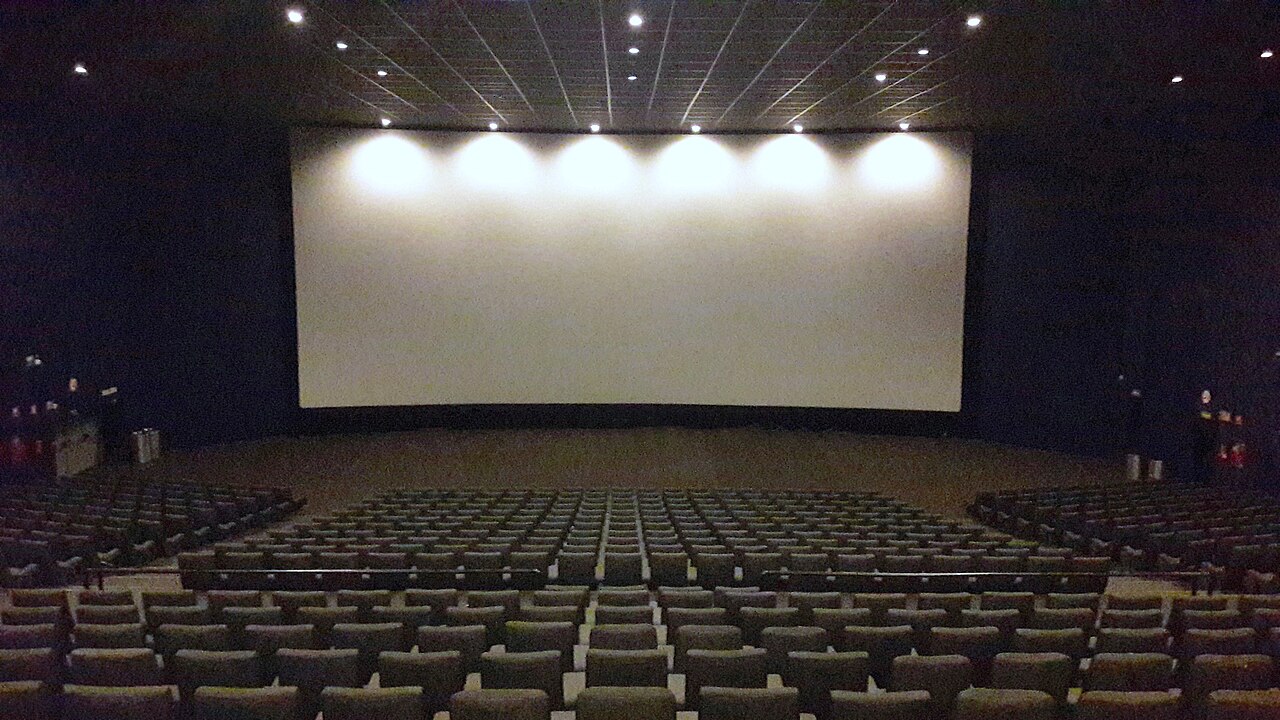
Typical components of an auditorium include the stage or screen area, seating (orchestra, balconies or tiers), aisles, foyers and technical booths for lighting and sound. Many auditoriums also have an orchestra pit, proscenium arch or movable acoustic shells. Designers arrange these elements to balance visual access and acoustic quality for every seat.
- Seating layouts: raked/stadium seating, flat-floor, cabaret or tiered balconies.
- Acoustic features: sound-absorbing panels, diffusers, curved surfaces and adjustable curtains.
- Technical areas: control booths for lighting and sound reinforcement, rigging points and fly systems.
History and development
The idea of a dedicated audience space stretches back to ancient Greek and Roman theatres, where open-air auditoria used geometry and materials to project voice. Over centuries the form evolved with indoor opera houses and picture palaces, and later modern physics of acoustics and electronic amplification changed how auditoria are designed. Contemporary venues may combine traditional acoustic shaping with electronic enhancement to serve a wide range of events.
Design considerations and performance
Good auditorium design addresses acoustics (how sound travels and persists), sightlines (what audience members can see), seating comfort, accessibility, safety and mechanical systems such as HVAC and lighting. Acoustic design seeks even distribution of direct and reflected sound, avoiding excessive echoes or dead spots. Architects and engineers use room shape, surface materials and seating geometry to control reverberation and clarity. Many modern auditoria also include sound reinforcement systems and assistive listening for people with hearing impairment.
Uses, examples and distinctions
Auditoria host a wide range of activities: theatrical productions, concerts, film screenings, lectures, graduations and community events. A cinema auditorium emphasizes sightlines and controlled lighting for a projected show, while a concert auditorium prioritizes acoustic warmth and clarity for music. The word is sometimes used interchangeably with "auditoria" (plural) or confused with amphitheatre, arena or lecture hall; each has distinct shapes and primary functions. For information about audience behavior and management see resources for audience services and venue operations.
Notable facts: Multipurpose auditoria can adapt with movable seating and acoustic elements to host different event types. Safety codes govern egress, occupancy and fire protection, and contemporary practice emphasizes universal access and sightline equity so that every seat offers a usable view and listening experience.
Questions and answers
Q: What is an auditorium?
A: An auditorium is a room in a theatre, cinema, concert hall, or other place where the audience is located to hear or watch the show.
Q: What types of places may have an auditorium?
A: A theatre, cinema, concert hall, or other place may have an auditorium.
Q: What is the purpose of an auditorium?
A: The purpose of an auditorium is for the audience to hear or watch a show.
Q: How is the sound quality in an auditorium?
A: The sound quality in an auditorium is great and easily heard by everyone in the auditorium.
Q: Can multiple auditoriums be present in a single venue?
A: Yes, multiple auditoriums can be present in a single venue.
Q: Are auditoriums commonly used for concerts?
A: Yes, auditoriums are commonly used for concerts.
Q: What is the plural form of auditorium?
A: The plural form of auditorium is auditoriums, or auditoria (less commonly).
Related articles
Author
AlegsaOnline.com Auditorium: design, function, history and types Leandro Alegsa
URL: https://en.alegsaonline.com/art/7257