
Oloron-Sainte-Marie
Oloron-Sainte-Marie is a commune and sub-prefecture in southwestern France, in the Pyrénées-Atlantiques department. It is known for its historic cathedral, mountain access, and mixed agricultural and tourist economy.
Overview
Oloron-Sainte-Marie is a historic town in southwestern France that functions as both a commune and a sub-prefecture within the region near the Pyrenees. It occupies a strategic position at the edge of mountain foothills and traditional river valleys, making it a local administrative, cultural and commercial centre.
Image gallery
10 Images


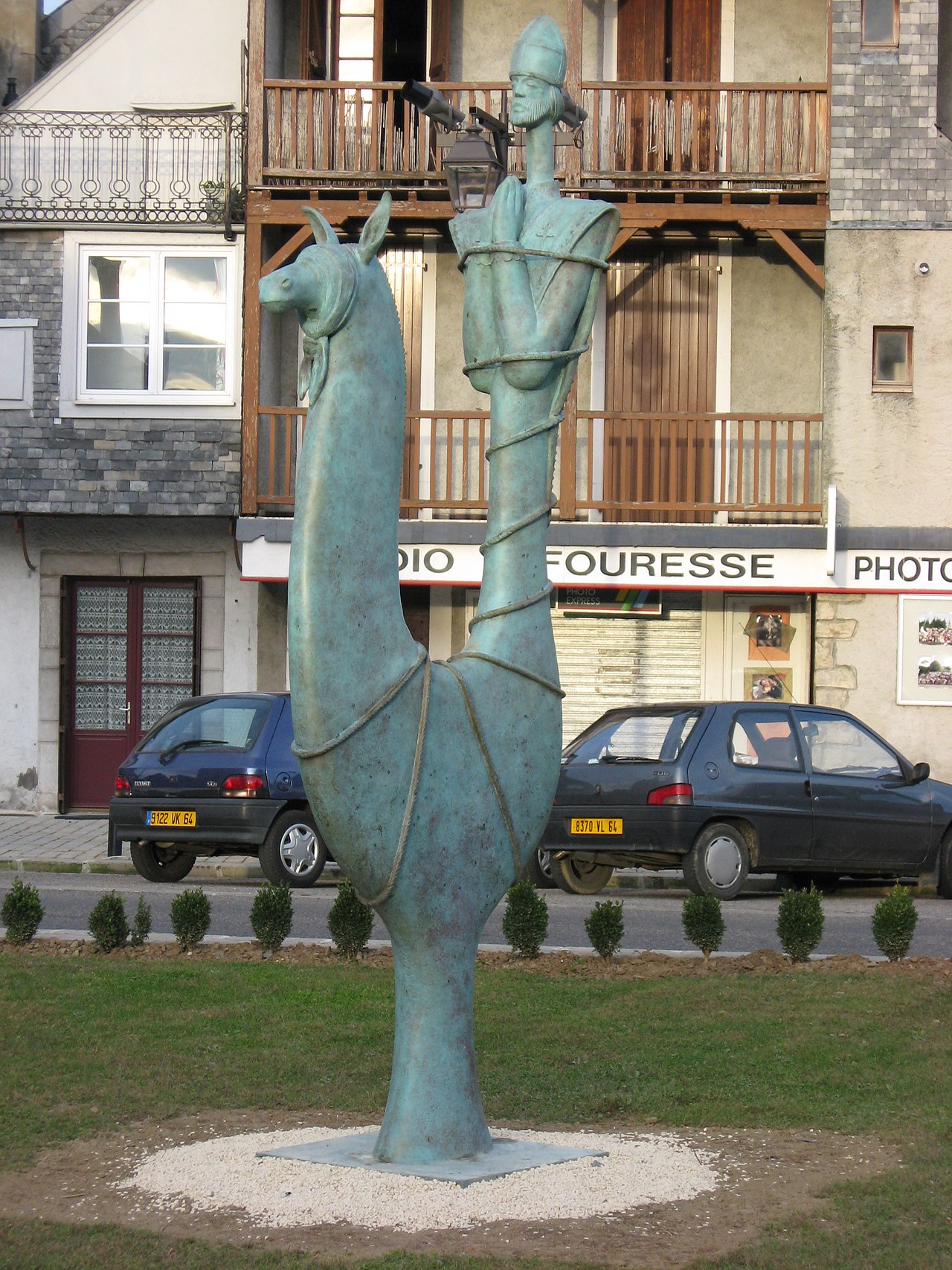


Location and administration
The town lies in the department of Pyrénées-Atlantiques, which is part of the broader Nouvelle-Aquitaine area. As the administrative seat for its arrondissement, Oloron-Sainte-Marie plays a role in regional governance and public services; it sits among a landscape shaped by low mountains, farmland and routes that lead toward higher Pyrenean passes.
History
Oloron-Sainte-Marie has roots that extend back through the medieval period and earlier, developing as a local centre of trade, crafts and religious life. Its current form reflects a 19th-century administrative consolidation: in 1858 the former communes of Saint-Marie-Legugnon and Oloron were combined to form the modern municipality. Over time the town absorbed influences from the historic province of Béarn and adjacent cultural zones.
Sights, culture and notable sites
The town is noted for its historic church and urban fabric. Principal attractions include an old cathedral complex with Romanesque and later features, narrow streets in the town centre, and public buildings that reflect several centuries of local life. Local cultural life mixes traditional markets, seasonal festivals and small museums that interpret rural, religious and industrial heritage.
- Cathédrale Sainte-Marie and ecclesiastical precincts
- Historic market quarter and municipal architecture
- Proximity to mountain trails and nature areas used for recreation
Economy and transport
The economy around Oloron-Sainte-Marie combines agriculture from surrounding valleys, light industry and services linked to administration and tourism. Its location makes it a gateway for visitors heading into the Pyrenees for hiking and outdoor pursuits; local transport connections include regional road and rail links that tie the town to larger urban centres.
Administrative context and distinctions
Within the broader department and regional networks, Oloron-Sainte-Marie maintains the character of a small sub-prefectural town with a mixed rural and small-town economy. It is valued for its blend of historical architecture, access to mountain landscapes and ongoing role as a service centre for surrounding communities.
For further information on municipal services, cultural events and travel details, official and local sources provide calendars, visitor guides and administrative contacts.
Questions and answers
Q: Where is Oloron-Sainte-Marie located?
A: Oloron-Sainte-Marie is located in southwestern France in the Pyrénées-Atlantiques department.
Q: What is the Pyrénées-Atlantiques department?
A: The Pyrénées-Atlantiques department is a department in southwestern France.
Q: What is a sub-prefecture?
A: A sub-prefecture is a city or town that serves as a branch office of the government's main administrative center.
Q: When was the new commune of Oloron-Sainte-Marie established?
A: The new commune of Oloron-Sainte-Marie was established in 1858.
Q: What was combined to create the new commune of Oloron-Sainte-Marie?
A: The communes of Saint-Marie-Legugnon and Oloron were combined to create the new commune of Oloron-Sainte-Marie.
Q: Is Oloron-Sainte-Marie a city or a town?
A: Oloron-Sainte-Marie is a city and commune.
Q: What is the significance of Sainte-Marie-Legugnon and Oloron?
A: Sainte-Marie-Legugnon and Oloron were communes that were combined to create the new commune of Oloron-Sainte-Marie.
Related articles
Author
AlegsaOnline.com Oloron-Sainte-Marie Leandro Alegsa
URL: https://en.alegsaonline.com/art/72434
Sources
- map-france.com : "City of Oloron-Sainte-Marie"
- insee.fr : "Populations lègales 2013 - 64-Pyrénées-Atlantiques"
- habitants.fr : "Oloron-Sainte-Marie (64400)"
- legifrance.gouv.fr : "Décret n° 2014-248 du 25 février 2014 portant délimitation des cantons dans le département des Pyrénées-Atlantiques"
- oloron-ste-marie.fr : "Coopération transfrontalière"