
Oliver Goldsmith: Life, Major Works, and Literary Legacy
Overview of Oliver Goldsmith (c. 1728/1730–1774), an Irish-born writer, poet and physician known for The Vicar of Wakefield, The Deserted Village, essays and comedies, and his role in 18th-century letters.
Oliver Goldsmith was an influential 18th-century writer, poet and physician whose gentle satire and moral imagination made him a prominent figure in English letters. Born in County Longford, Ireland, toward the end of the 1720s and active in London literary circles until his death in 1774, Goldsmith produced fiction, poetry, drama and periodical pieces that combined social observation with human sympathy.
Image gallery
7 Images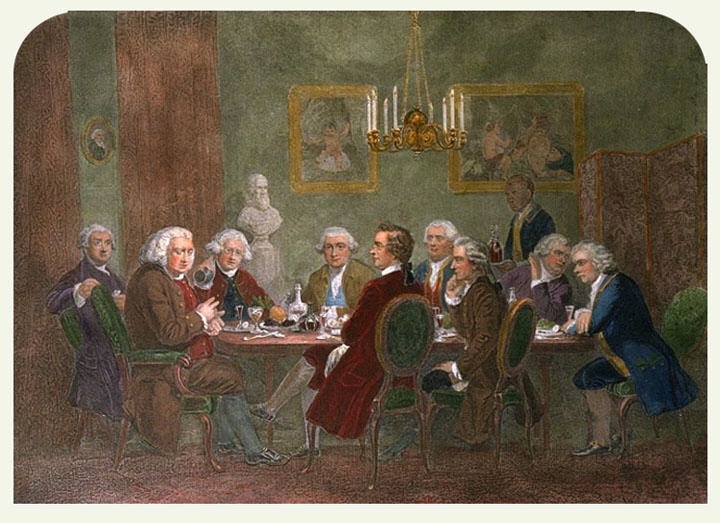


Life and career
Goldsmith studied at Trinity College, Dublin, and later pursued medical studies in Britain and on the Continent before settling in London. Although trained as a physician, he earned most of his living by writing and contributions to magazines, reviews and theatrical companies. In the capital he associated with leading literary figures of the period, including Samuel Johnson and David Garrick, and took part in the bustling world of 18th‑century salons, coffeehouses and theatres.
Major works and themes
Goldsmith wrote across genres. His best‑known novel, The Vicar of Wakefield, combines comic incident and moral reflection to portray rural life and domestic virtue. As a poet he is remembered for two contrasting pieces: the reflective travel poem The Traveller and the elegiac The Deserted Village, which mourns the social effects of enclosure, rural depopulation and changing economic priorities.
- The Traveller (mid‑1760s): a meditative poem on political unity and character.
- The Deserted Village (1770): a pastoral lament for lost village life.
- The Vicar of Wakefield (1766): a comic‑sentimental novel about family, misfortune and forgiveness.
- She Stoops to Conquer (1773) and The Good‑Natured Man (1768): stage comedies mixing farce and social critique.
- Essays: a series of imagined observations by a foreign visitor, often collected as Citizen of the World‑style pieces, offered witty perspectives on English manners.
Style, concerns and contrasts
Goldsmith's tone is often described as humane and mildly satirical rather than corrosively ironic. Unlike the harsher contemporary satire of figures such as Jonathan Swift, Goldsmith favored warmth, sentiment and comic misunderstanding to expose folly. He mixed pastoral nostalgia with realistic detail, and his comedies deploy mistaken identity and social contrast to produce laughter while registering moral points.
Legacy and notable facts
Goldsmith's works influenced later novelists and dramatists who valued character‑driven storytelling and sympathetic social critique. His authorship of certain children's tales, notably The History of Little Goody Two‑Shoes, has been debated, and his life attracted numerous anecdotes about his convivial personality and occasional financial struggles. He died in London in 1774 and is remembered for combining classical learning with a distinctively humane view of ordinary life.
Today Goldsmith is studied for his mixtures of comedy and sentiment, his engagement with social change in the 18th century, and for works that remain in print and on repertoires, ensuring his place in the English literary tradition.
Questions and answers
Q: Who was Oliver Goldsmith?
A: Oliver Goldsmith was a writer, poet, and physician known for his novel, The Vicar of Wakefield, and his poems, The Deserted Village and The Traveller.
Q: What was Goldsmith's first successful literary work?
A: Goldsmith's first successful literary work was The Traveller, a poem about British rule.
Q: How did Goldsmith criticize society in his works?
A: Goldsmith criticized society in his works, like Jonathan Swift, but he did not use satire like Swift.
Q: What was The Deserted Village about?
A: The Deserted Village was a sad poem about how country life was being destroyed by landowners.
Q: What was Goldsmith's biggest work at that time?
A: Goldsmith's biggest work at that time was a collection of soft-satire essays on English life seen by an imaginary Chinese visitor.
Q: What plays did Goldsmith write?
A: Goldsmith wrote two plays: The Good Natured Man and She Stoops to Conquer.
Q: Did Goldsmith also write a classic children's story?
A: Yes, Goldsmith is thought to have written the classic children's story, The History of Little Goody Two-Shoes.
Related articles
Author
AlegsaOnline.com Oliver Goldsmith: Life, Major Works, and Literary Legacy Leandro Alegsa
URL: https://en.alegsaonline.com/art/72399
Sources
- npg.org.uk : 'A literary party at Sir Joshua Reynolds's