
Olduvai Gorge: Key site for early human history in East Africa
Olduvai Gorge is a steep ravine in the eastern Serengeti of northern Tanzania, renowned for hominin fossils, stone tools, layered volcanic deposits and landmark archaeological research since the mid-20th century.
Overview
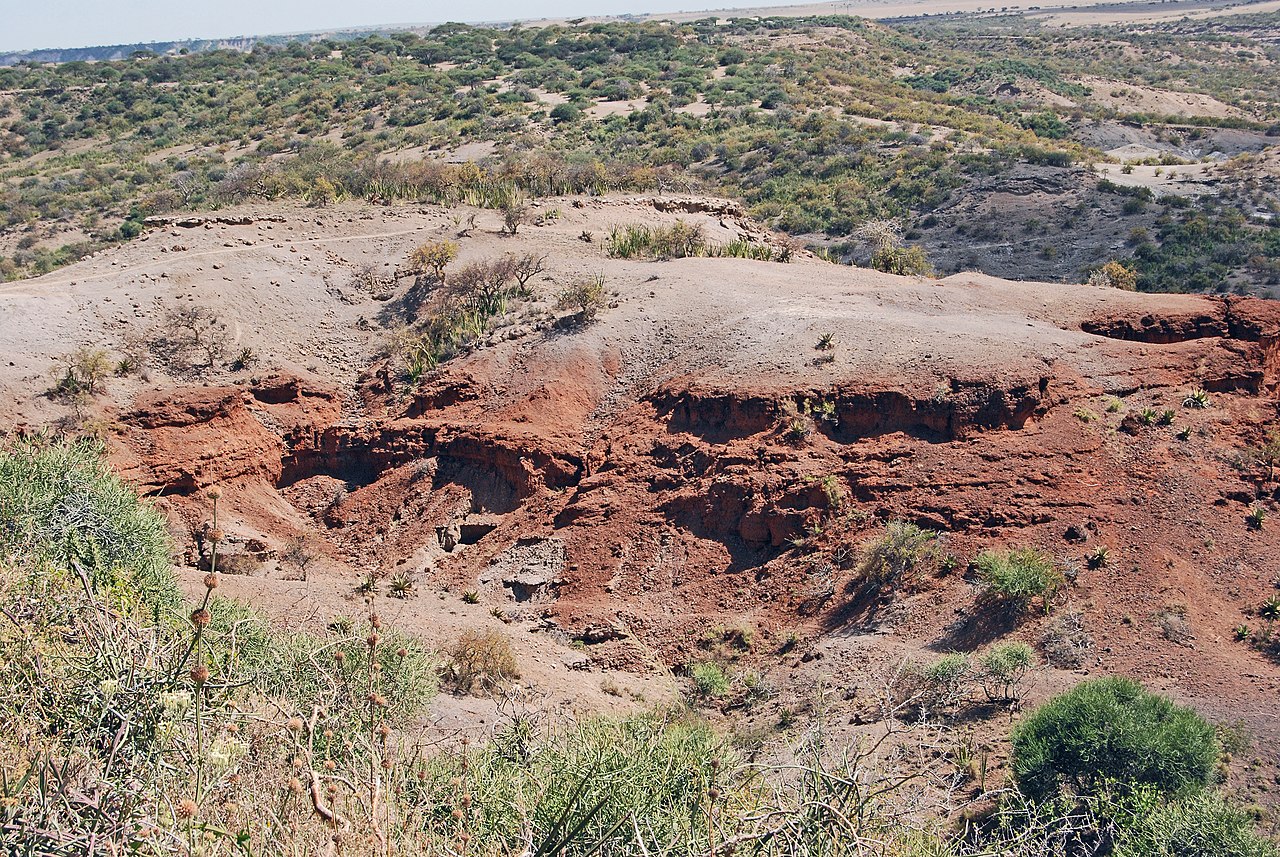
Olduvai Gorge is a steep-sided ravine in the Great Rift Valley of East Africa, located on the eastern Serengeti Plains in northern Tanzania. The feature extends for roughly 48 km and exposes a sequence of sediments and volcanic deposits that provide an unusually complete record of environmental change and hominin activity over the past two million years. The gorge is widely cited as one of the most important paleoanthropological sites in the world: it preserves fossils, stone tools and faunal remains that document key stages in human evolution. Ravine • Great Rift Valley • East Africa • Serengeti Plains • northern Tanzania
Image gallery
10 Images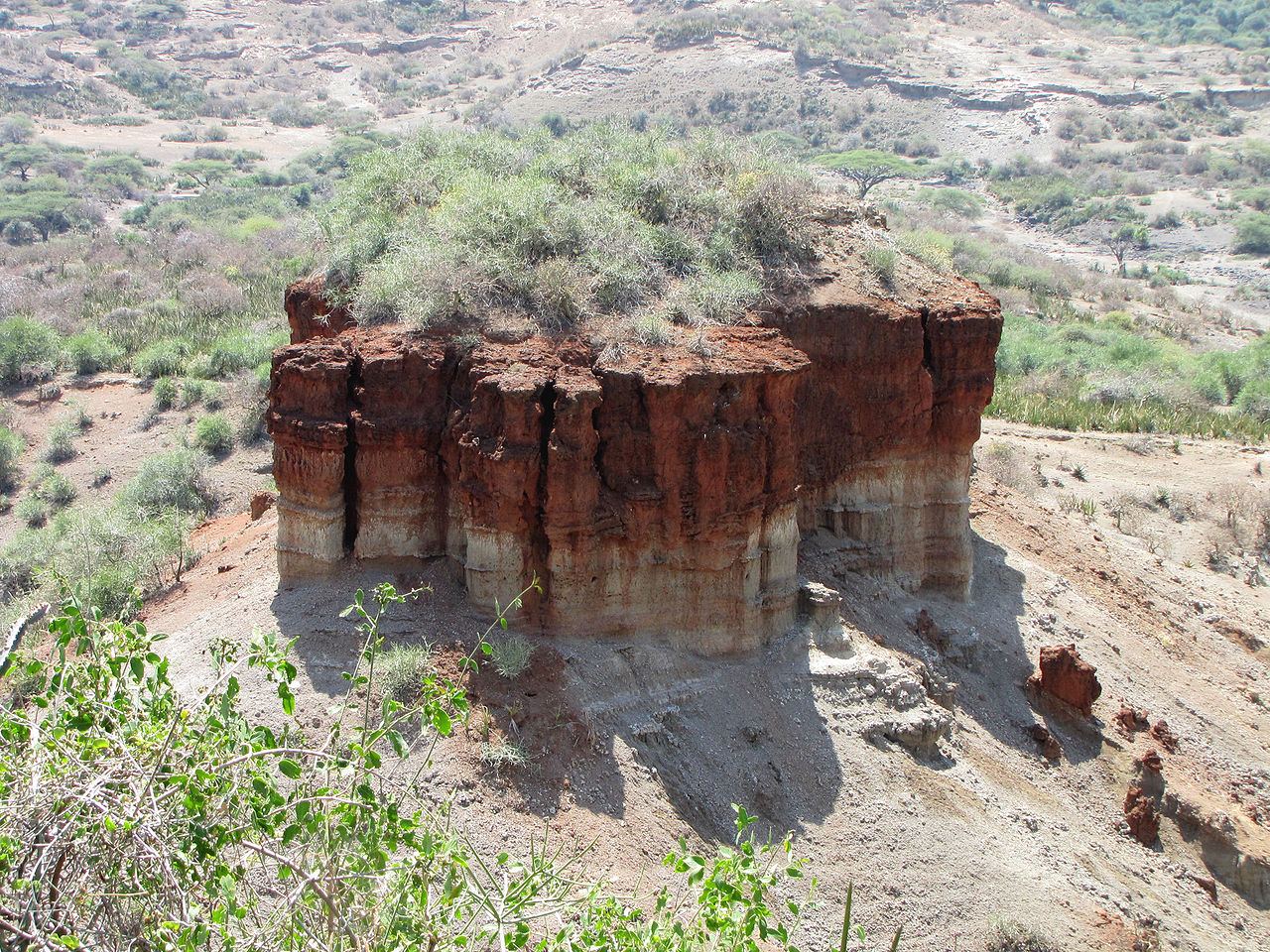




Geology and preservation
The sequence in the gorge consists of layered sediments interleaved with volcanic tuffs (ash layers) that were deposited when the area included lakes, river systems and grassland-woodland mosaics. Repeated volcanic events left datable ash beds that allow researchers to build a chronology for the fossils and artifacts recovered. Because the deposits were buried and later re-exposed by erosion, paleontologists and archaeologists can trace changes in climate, vegetation and animal communities alongside technological and biological changes in hominins.
History of research
Systematic excavations at Olduvai began in the 1930s and intensified after the 1950s with field programs led by Louis and Mary Leakey and their collaborators. Their work produced groundbreaking discoveries of hominin fossils, including robust australopithecine-like remains and the first recognitions of early toolmakers. Subsequent research through the late 20th and early 21st centuries refined the site's stratigraphy and brought additional finds that illustrate long-term patterns of behavior, mobility and adaptation.
Major finds and chronology
- Hominin fossils: remains attributed to early species including Homo habilis (around 1.9 million years ago), Paranthropus boisei (about 1.8 million years ago) and Homo erectus (later Pleistocene). Evidence for anatomically modern humans appears much later in the record.
- Stone tools: Olduvai has yielded Oldowan tools (simple flaked stone implements) and later, more advanced Acheulean implements that document technological change.
- Faunal and environmental data: abundant animal bones, many with cut marks, help reconstruct diets, hunting or scavenging practices and habitat changes over time.
Importance and public access
Olduvai Gorge remains central to studies of human origins because it ties dated artifacts to hominin remains within clear geological contexts. The site is part of broader conservation and research efforts and lies within a region that includes other related localities, such as Laetoli, famous for early hominin footprints. A field museum and visitor facilities help present the discoveries to the public while protecting excavations. Ongoing projects continue to refine the picture of how early hominins lived and adapted across East Africa. human evolution
Name and notable facts
The common name "Olduvai" derives from a Maasai word for a local wild sisal plant (Sansevieria ehrenbergii). The earlier colonial spelling "Oldupai" reflects that Maasai term; the form "Olduvai" became widely used in scientific and public literature and was formally adopted in later place-name records. The gorge is also located within protected land and attracts scientists, students and visitors who study its layered record of life, climate and culture.
Further reading and site resources are available through regional research institutes and conservation authorities; for introductory guides and site information see resources linked by researchers and museums. Ravine info • Rift Valley context • East African studies • Serengeti region • Tanzania • Laetoli • Human evolution overview
Questions and answers
Q: Where is the Olduvai Gorge located?
A: The Olduvai Gorge is located in the eastern Serengeti Plains in northern Tanzania.
Q: What is the length of the Olduvai Gorge?
A: The Olduvai Gorge is about 48 km (30 mi) long.
Q: Why is the Olduvai Gorge an important prehistoric site?
A: The Olduvai Gorge is an important prehistoric site for the study of human evolution. It was once a lake and got covered by layers of volcanic ash. The site was occupied by Homo habilis about 1.9 million years ago, Paranthropus boisei 1.8 million years ago, and Homo erectus 1.2 million years ago. Homo sapiens occupied the site 17,000 years ago.
Q: What is the origin of the name Oldupai Gorge?
A: Oldupai Gorge is the Maasai word for the wild sisal plant Sansevieria ehrenbergii, which grows in the gorge.
Q: When was the name Oldupai Gorge adopted as the official name for the site?
A: The name Oldupai Gorge was adopted as the official name in 2005.
Q: What is the distance between the Olduvai Gorge and the Laetoli archaeological site?
A: The Olduvai Gorge is 45 km (28 mi) from the Laetoli archaeological site.
Q: Who occupied the Olduvai Gorge 17,000 years ago?
A: Homo sapiens occupied the Olduvai Gorge 17,000 years ago.
Related articles
Author
AlegsaOnline.com Olduvai Gorge: Key site for early human history in East Africa Leandro Alegsa
URL: https://en.alegsaonline.com/art/72335
Sources
- time.com : time.com