
Auction: methods, types, history, uses, rules and notable issues
A comprehensive overview of auctions: how they work, common formats, historical development, practical uses, fees and rules, and notable economic and legal considerations.
An auction is a public method for allocating goods, services or rights by having potential buyers submit competing offers until a predetermined stopping rule selects a winner. Unlike fixed-price sales, auctions allow the market to determine the final price through competition among bidders. Items or packages presented for sale are typically known as lots, and an auction can be run in person, by telephone, by sealed bid, or online.
Auction events have several recurring elements: an object or lot to be sold; a seller who sets the conditions of sale; an auctioneer or electronic mechanism that manages bidding and enforces rules; registered bidders who place offers; and explicit stopping conditions (time limit, no higher bid, or meeting a reserve). Common contract features include reserve prices, minimum increments, buyer's premiums or seller commissions, and terms for payment and delivery. When conditions are not met, an item may be withdrawn or pass unsold.
Image gallery
10 Images


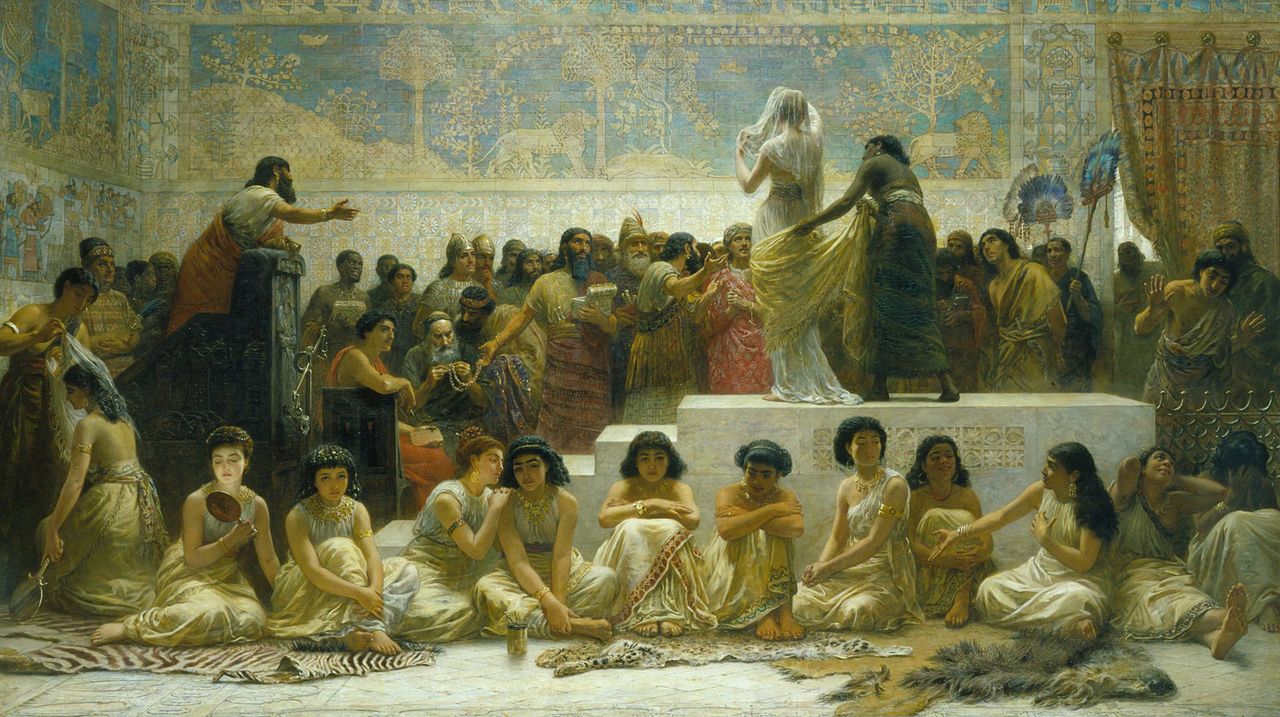
Common auction formats
- English auction (ascending): Bidders openly offer successively higher amounts until no higher bid is placed. This is common at art and antique sales.
- Dutch auction (descending): The auctioneer begins at a high price and reduces it until a bidder accepts the current price; used for perishable goods or some financial instruments.
- Sealed-bid auctions: All bidders submit private bids; the highest bid wins. Variants include first-price sealed-bid and second-price (Vickrey) auctions, where the winner pays the second-highest bid.
- Multi-unit and combinatorial auctions: Multiple identical or interdependent items are sold; bidders can bid on bundles. These formats are used for spectrum or complex procurement.
- Online and proxy bidding: Electronic platforms allow absentee bids, automatic proxy bids that increase up to a bidder's limit, and real-time listings where time extensions may prevent last-second sniping.
Each format has different strategic incentives. For example, second-price mechanisms can encourage truthful bidding in theory, while open ascending auctions provide signals about others' valuations. In multi-unit settings, bidders must consider complementarities and the risk of overpaying for partial packages (the "winner's curse").
History and development
Auctions have existed in many societies for centuries as a practical way to sell goods that vary in rarity and condition. Traditional public auctions handled art, livestock, land, and estate sales. In the 20th and 21st centuries, specialized auction houses, government tender systems and electronic marketplaces expanded the range of items sold by auction. Modern economic research and auction theory have also shaped public policy and the design of complex auctions, such as those for telecommunications spectrum and public procurement contracts.
Uses, examples and importance
- Art, antiques, collectibles and estate dispersals: major auction houses and regional houses handle provenance and cataloging.
- Retail and consumer goods online: platforms enable individual sellers to reach wide audiences and manage proxy bids.
- Government and public sector: auctions allocate rights (e.g., radio spectrum), sell seized or surplus assets, and issue treasury securities.
- Commercial procurement and energy markets: companies and utilities procure supplies through formal competitive auctions.
- Charity fundraisers and corporate asset sales: auctions help signal scarcity and raise funds through competitive bidding.
Auction outcomes provide price discovery, allocate scarce resources efficiently in many circumstances, and can reveal information about demand. However, they require careful rule design to avoid undesirable outcomes, such as collusion among bidders, shill bidding (bids placed by people acting for the seller), or market concentration that reduces competition.
Practical rules, fees and legal concerns
Auction houses and platforms typically charge fees or commissions on transactions; sellers may pay listing or handling fees while buyers sometimes pay a buyer's premium on top of the hammer price. Regulatory oversight addresses fraud, anti-competitive behavior and consumer protection. Transparent terms, bidder registration, and audit trails are common safeguards. Research into auction design continues to influence public policy and private practice, resulting in innovations like activity rules, reserve setting, and dynamic extension of closing times on electronic platforms.
For further introductory material on auction mechanisms and economic principles see general resources on Auction design and theory. Understanding the specific rules and fees before participating is essential for both sellers and bidders to make informed decisions and manage strategic risks.
Questions and answers
Q: What is an auction?
A: An auction is a method of buying and selling goods and services where the price of the item is not fixed in advance.
Q: What is a bid in an auction?
A: A bid in an auction is the amount of money that a person is willing to pay for the item being sold.
Q: How are bids evaluated in an auction?
A: Bids are evaluated in each round of an auction and if certain criteria are met, the auction is stopped and the item is sold to the highest bidder.
Q: Are there different types of auctions?
A: Yes, there are different kinds of auctions with different rules depending on the items being sold.
Q: What happens if an item is not sold at an auction?
A: If an item is not sold at an auction, either because a bidder did not meet the criteria or because there were no bids, the item will not be sold.
Q: Can auctions be done online?
A: Yes, auctions can be done online or offline, and bids can be placed through various ways such as over the internet or by telephone.
Q: Are there companies that specialize in doing auctions?
A: Yes, there are companies that specialize in conducting auctions, and they may charge fees for their services and get a commission that depends on the price the item is sold for.
Related articles
Author
AlegsaOnline.com Auction: methods, types, history, uses, rules and notable issues Leandro Alegsa
URL: https://en.alegsaonline.com/art/7211