
Obazoa: a proposed eukaryote clade linking opisthokonts, apusomonads and breviates
Obazoa is a proposed grouping of unikont eukaryotes that joins Opisthokonta with Apusomonadida and Breviatea. The group's limits and internal relationships remain under study using molecular phylogenetics.
Overview
Obazoa is the name given to a proposed clade of eukaryotes that groups together the well-known Opisthokonta with two smaller lineages, Apusomonadida and Breviatea. The concept aims to describe a shared ancestry distinct from other major eukaryote lineages. Obazoa falls within the broader assemblage often called the Unikonts, a higher-level grouping traditionally pairing Amoebozoa with opisthokont-related lineages.
Image gallery
10 Images




Composition and characteristics
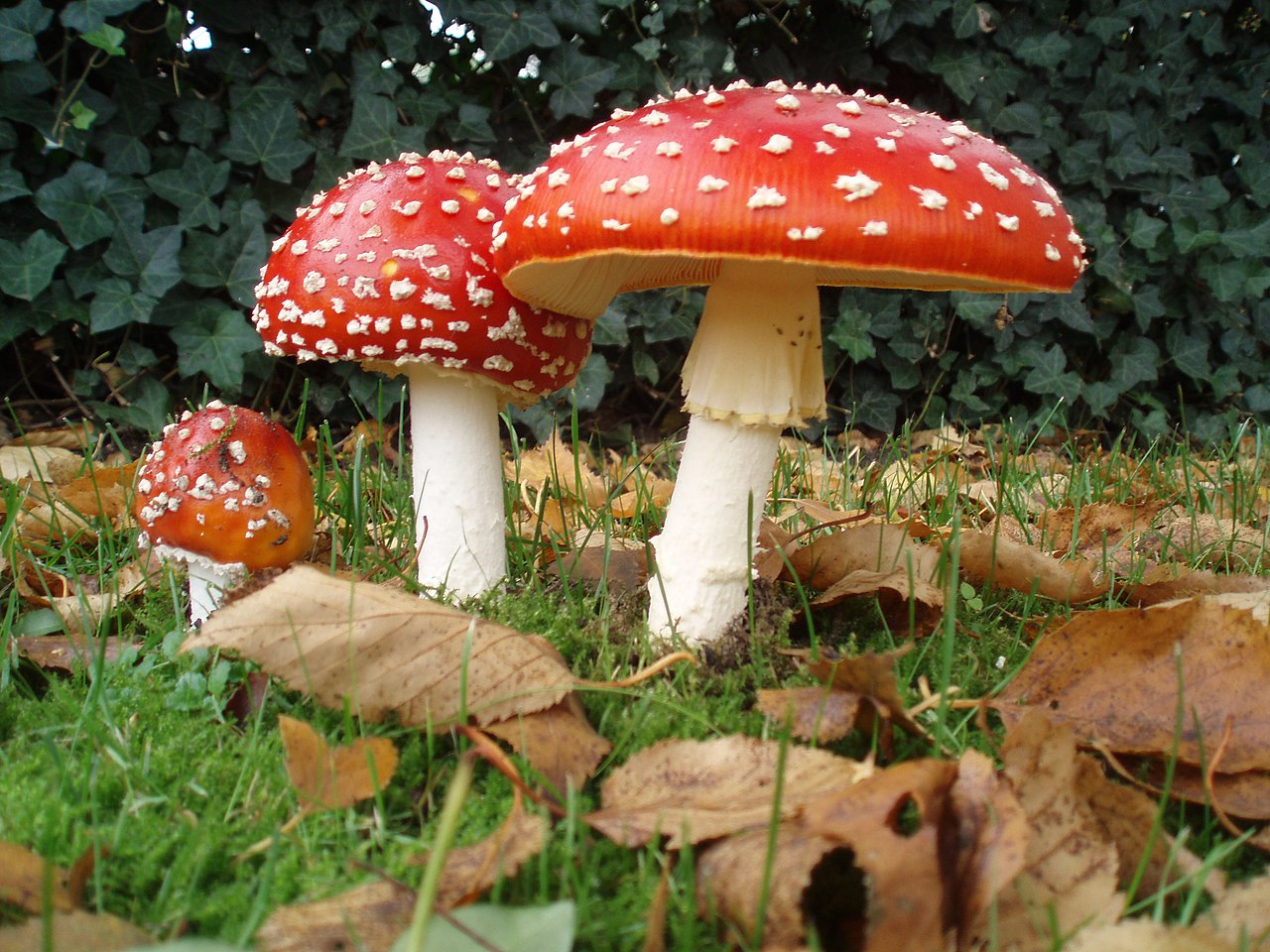
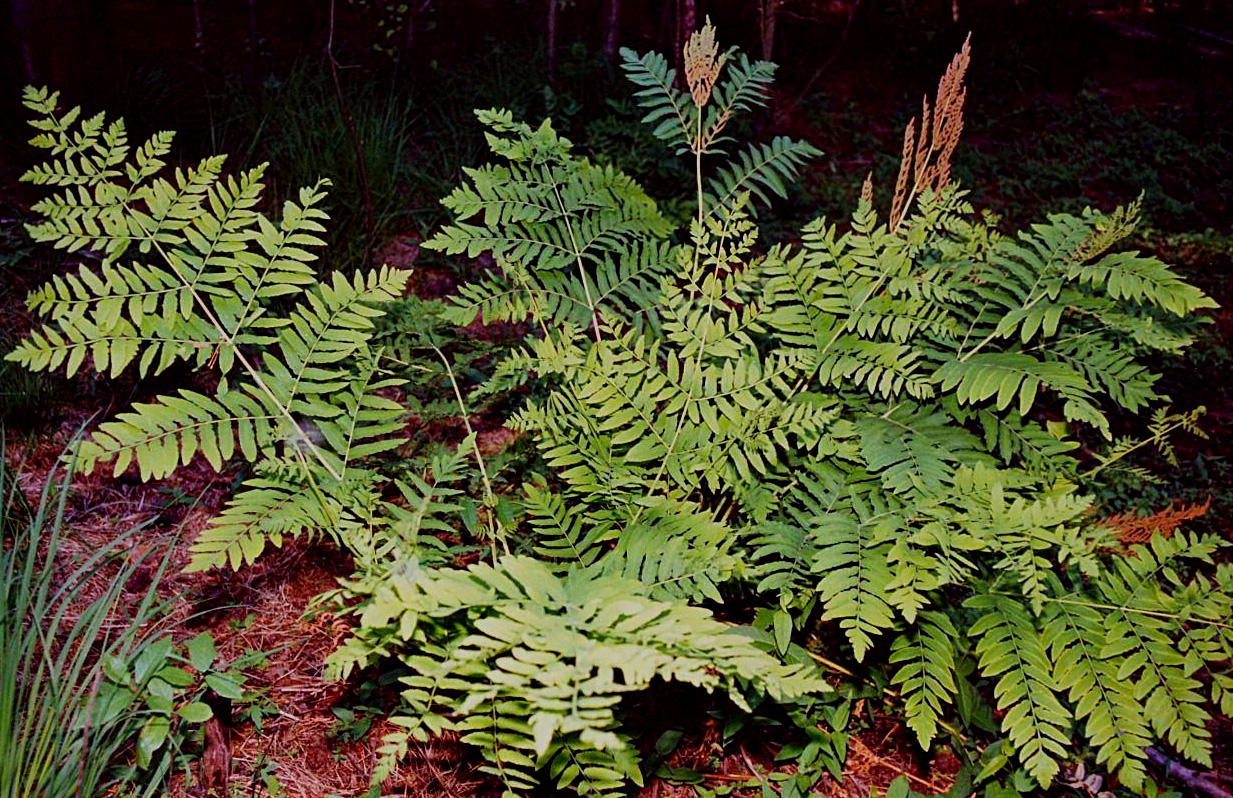
The Obazoa concept encompasses three main components: the Opisthokonta (animals, fungi and several single-celled relatives), the Apusomonadida (small free-living flagellates) and the Breviatea (diverse, often anaerobic protists). A concise list of the members is:
- Opisthokonta: animals, fungi, choanoflagellates and other opisthokont protists.
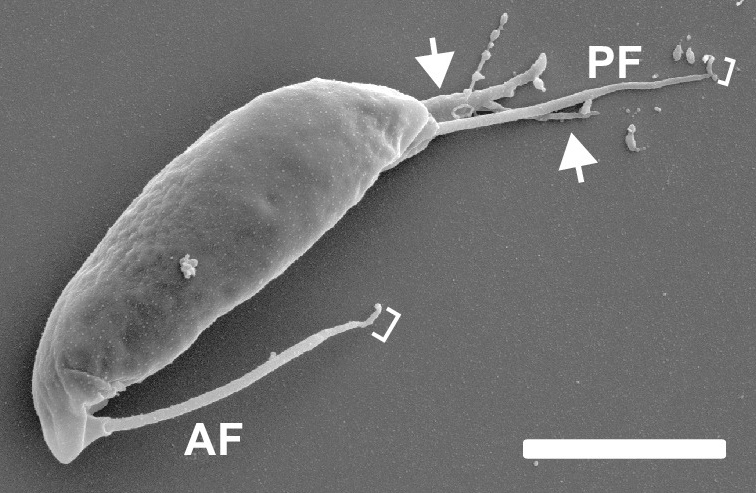
- Apusomonadida: heterotrophic flagellates with distinctive cell organization.
- Breviatea: small heterotrophic protists, some adapted to low-oxygen habitats.
Members of Obazoa are morphologically varied; the grouping is defined primarily by molecular and evolutionary relationships rather than a single shared anatomical trait.
Phylogenetic evidence and history
The idea that opisthokonts are closely related to apusomonads and breviates emerged from analyses of molecular data. Early studies based on ribosomal RNA sequences offered limited resolution and were sometimes inconclusive: for example, some RNA phylogenies did not strongly recover Obazoa as a distinct branch. As more genes and genomes became available, multigene and phylogenomic approaches have provided stronger support for the grouping, although the precise branching order and the connections among the three components remain debated. Researchers stress caution because deep splits in the eukaryotic tree are ancient and can leave only weak or conflicting signals of common ancestry.
Importance and research directions
Understanding Obazoa bears on major questions about the origin of animals and fungi and the early diversification of unikont eukaryotes. Establishing whether apusomonads and breviates are true sister groups to opisthokonts affects reconstruction of the ancestral cell biology of the opisthokont lineage and informs how key traits evolved. Contemporary work uses large-scale genome sampling, site-heterogeneous models, and careful data filtering to seek more reliable evidence about deep relationships. Studies that integrate molecular data with cell biology, life cycles and ultrastructure also contribute to the picture.
Distinctions, caveats and related terms
Obazoa is distinct from Amoebozoa, which together with Obazoa is often grouped within a larger assemblage called Amorphea or the traditional Unikonts. The term Obazoa itself is a label for a proposed clade and not a formal taxonomic rank; its acceptance depends on continuing phylogenetic evidence. Some analyses place Breviatea as the earliest branching member within Obazoa, but alternative arrangements are reported and interpreted with care, reflecting the long timescales of evolution involved.
Practical notes and further reading
For readers seeking deeper discussion, sources that explain methods in molecular systematics and recent phylogenomic surveys are useful starting points. Introductory reviews present the core idea of Obazoa and summarize the molecular approaches used to study it; specialized papers examine the relationships and cellular characteristics of apusomonads and breviates in detail. Because the field is active, new genomes and better analytical methods continue to refine our perspective on this part of the eukaryote tree.
See also: the concept of shared ancestry as a basis for clades (ancestor), earlier groupings within Unikonts (opisthokonts, apusomonads, breviates), and critiques or alternate hypotheses about deep eukaryote relationships (clade discussion, relationship questions, molecular data issues).
Questions and answers
Q: What is Obazoa?
A: Obazoa is a clade, which is a group of plants or animals that share an ancestor.
Q: What is a Unikont?
A: A Unikont is one of the five superkingdoms in the classification of eukaryotes, and Obazoa is one of them.
Q: Which groups are included in Obazoa?
A: Obazoa is made up of Breviatea, Apusomonadida, and Opisthokonta.
Q: Does Obazoa include Amoebozoa?
A: No, Obazoa does not include Amoebozoa because that is a different clade.
Q: What is the connection between opisthokonts, breviates, and apusomonads?
A: The connections between opisthokonts, breviates, and apusomonads are not well known yet.
Q: Which group is considered the most basic of the three in Obazoa?
A: Probably the Breviatea are the most basic of the three groups.
Q: Do RNA phylogenies give much evidence that Obazoa is a clade?
A: No, RNA phylogenies (evolution clues) do not give much evidence that Obazoa is a clade, which could mean that it is from a very old ancestor with not many clues left.
Related articles
Author
AlegsaOnline.com Obazoa: a proposed eukaryote clade linking opisthokonts, apusomonads and breviates Leandro Alegsa
URL: https://en.alegsaonline.com/art/71659
Sources
- ncbi.nlm.nih.gov : "On the Age of Eukaryotes: Evaluating Evidence from Fossils and Molecular Clocks"
- doi.org : 10.1101/cshperspect.a016139
- worldcat.org : 1943-0264
- pubmed.ncbi.nlm.nih.gov : 25085908
- ncbi.nlm.nih.gov : "Correction: A Higher Level Classification of All Living Organisms"
- ui.adsabs.harvard.edu : 2015PLoSO..1030114R
- doi.org : 10.1371/journal.pone.0130114
- worldcat.org : 1932-6203
- pubmed.ncbi.nlm.nih.gov : 26068874
- doi.org : 10.1016/j.ympev.2014.08.011
- pubmed.ncbi.nlm.nih.gov : 25150787
- doi.org : 199125