
Nyagan: Siberian town in Khanty–Mansiia
Nyagan is a town in northwest Khanty–Mansi Autonomous Okrug, Russia, near the Ob River. It developed with regional oil and gas activity and serves as a local administrative, transport, and service centre.
Nyagan is a town in the northwest of the Khanty–Mansi Autonomous Okrug in Russia, situated near the Ob River and named after the Nyagan‑Yugan, a tributary of the Ob. 
Image gallery
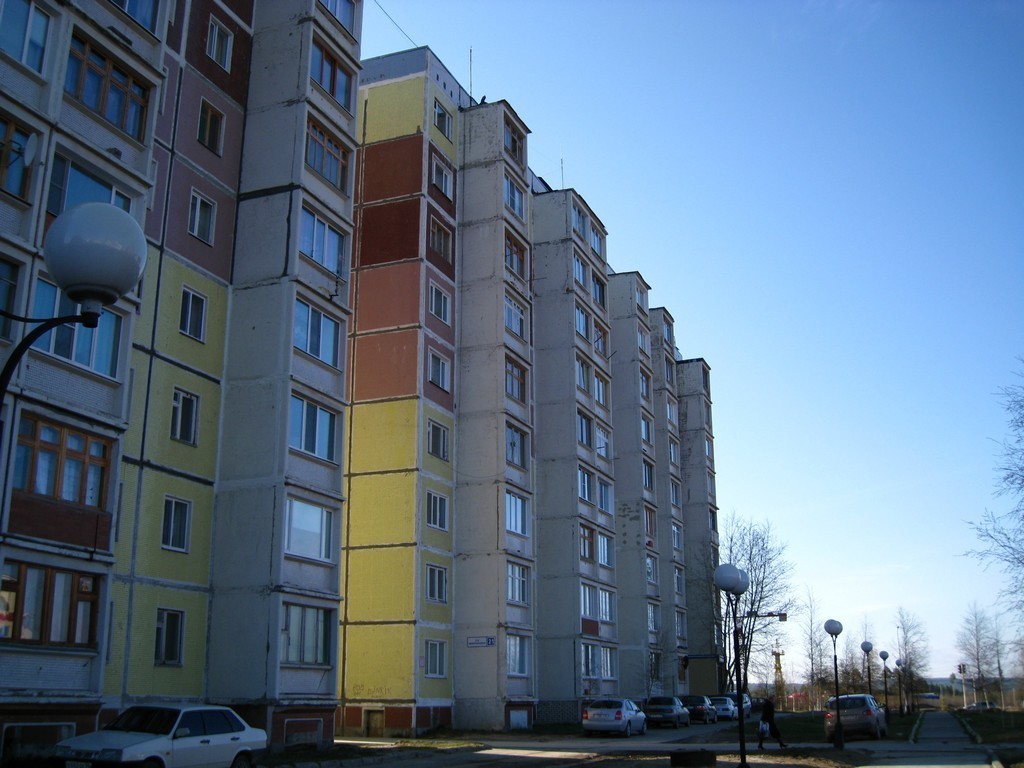
2 Images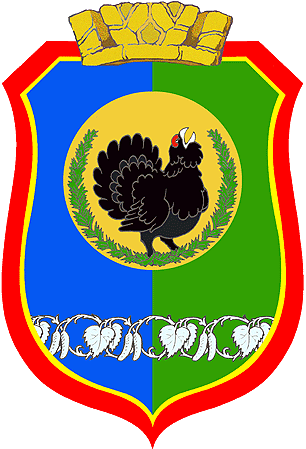
Geography and climate
Nyagan occupies a location on the West Siberian Plain, in a landscape of taiga, rivers and wetlands. Winters are long and cold while summers are short and relatively mild, consistent with a subarctic continental climate. The town’s riverine position has influenced local settlement patterns and transport routes connected to the Ob basin. For administrative context, Nyagan is part of the Khanty–Mansi Autonomous Okrug.
Origin and development
The locality expanded in the 20th century alongside industrial exploration of Siberia. Its growth is tied to resource development in the region: pipelines, prospecting and support services for energy projects drew workers and investment. The name reflects local hydrography, and the Nyagan‑Yugan tributary gives the town its toponym; the river is referenced in regional descriptions and mapping here.
Economy and infrastructure
Nyagan’s economy is dominated by activities common to the northern Russian hinterland. Key sectors include:
- Support services for oil and gas exploration and production, including logistics and maintenance;
- Timber harvesting and processing, drawing on surrounding taiga resources;
- Local commerce and public services that sustain the resident population.
The town functions as a transport node for the surrounding district, with road corridors linking it to regional centres and facilities that serve both cargo and passenger needs. Public infrastructure reflects its role as an administrative and service hub for a sparsely populated area.
Population, culture and society
Nyagan’s population is composed primarily of ethnic Russians alongside indigenous Khanty, Mansi and other groups typical of the autonomous okrug. Local culture combines influences from indigenous traditions and the industrial, often Soviet‑era, heritage of northern towns: community institutions, schools, cultural centres and festivals reflect this mix. Social services and housing were developed to support a workforce engaged in resource industries.
Notable facts and distinctions
As a town in a resource‑rich part of Russia, Nyagan is representative of many settlements that grew because of energy development in Siberia. It serves as a regional centre for administration, transport and services and illustrates how remote towns adapt to climate, geography and economic specialization. Visitors and researchers often note its riverine setting and its role within the broader Ob River basin.
Questions and answers
Q: Where is Nyagan located?
A: Nyagan is located in the northwest of Khanty-Mansi Autonomous Okrug, Russia.
Q: Is Nyagan near any river?
A: Yes, Nyagan is near the Ob River.
Q: What is the distance between Nyagan and Khanty-Mansiysk?
A: The distance between Nyagan and Khanty-Mansiysk is 230 kilometers (140 mi).
Q: What is the origin of the name Nyagan?
A: Nyagan is named after the Nyagan-Yugan River, a tributary of the Ob River.
Q: How many people lived in Nyagan in 2010?
A: In 2010, 54,890 people lived in Nyagan.
Q: Is Nyagan a big or small town?
A: Based on the population size, Nyagan can be considered a relatively large town.
Q: Which region is Nyagan located in?
A: Nyagan is located in the Khanty-Mansi Autonomous Okrug region of Russia.
Related articles
Author
AlegsaOnline.com Nyagan: Siberian town in Khanty–Mansiia Leandro Alegsa
URL: https://en.alegsaonline.com/art/71531