
Nuclear accident
An overview of nuclear accidents: causes, major historical events, consequences, and how regulation and engineering have evolved to prevent and mitigate releases of radioactive material.
Overview
A nuclear accident is an unexpected event involving nuclear material or facilities that leads to significant consequences for people, property or the environment. Such incidents may involve uncontrolled release of radioactive substances, criticality excursions, fires, or reactor damage. The term covers a wide range of events, from minor safety breaches to large-scale disasters that force long-term evacuations and require complex remediation.
Image gallery
10 Images




Causes and characteristics
Accidents arise from a combination of technical failures, design flaws, human error, inadequate maintenance, and external factors such as natural disasters. Reactor accidents often follow loss-of-coolant or loss-of-power scenarios that impair heat removal; other events include chemical explosions, fuel-handling mishaps, or disposal-site contamination. Consequences depend on the reactor type, inventory of radioactive material, containment systems, and emergency response.
Notable historical incidents
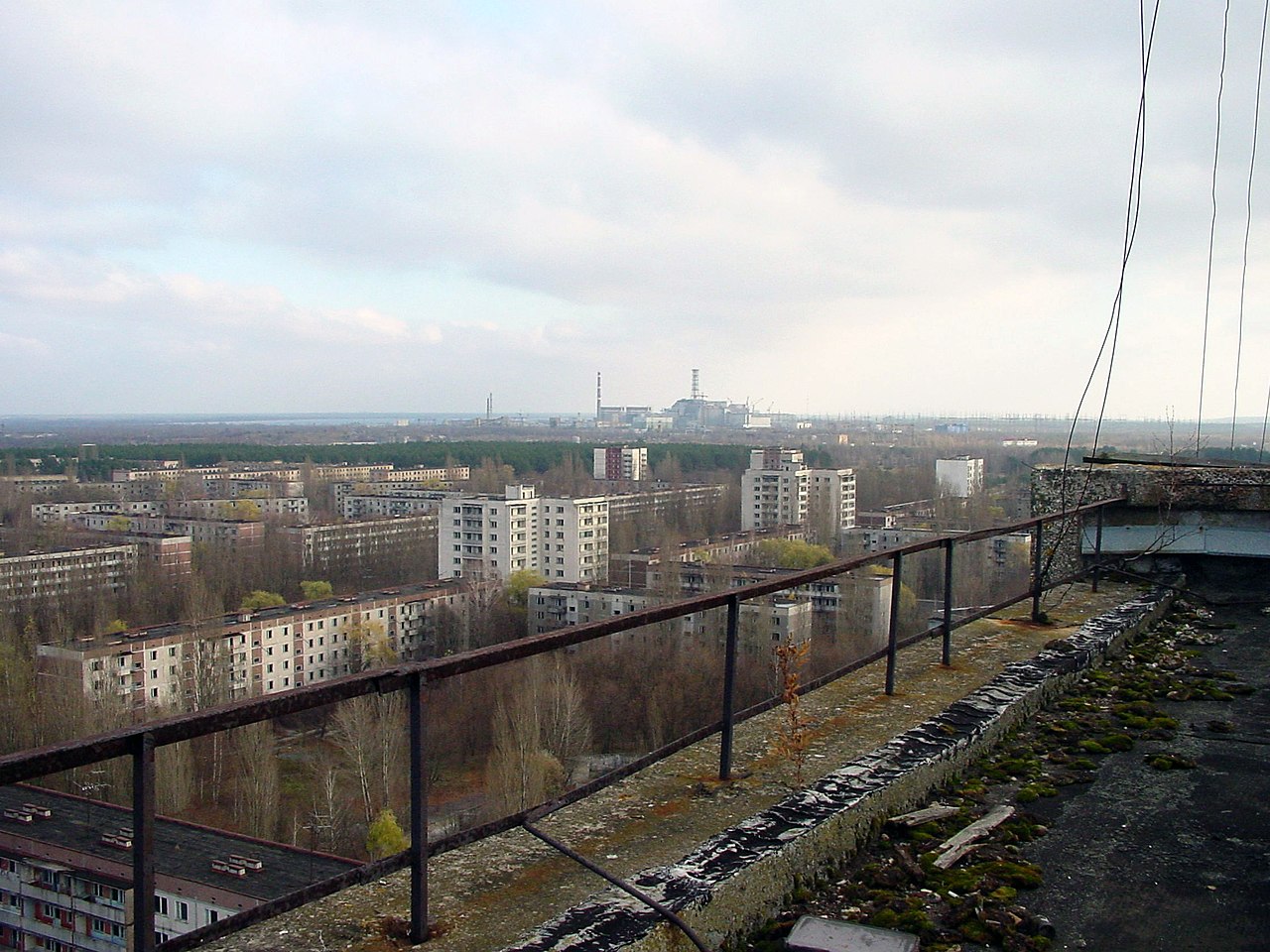
- Chernobyl disaster (1986) — a severe reactor explosion and fire with large scale environmental contamination.
- Fukushima Daiichi (2011) — reactor meltdowns triggered by an earthquake and tsunami, causing releases and long-term displacement.
- Three Mile Island (1979) — a partial core meltdown in the United States that focused attention on regulatory oversight.
- Windscale fire (1957) — a graphite fire at a plutonium-production pile that released radioactive contamination.
- Other serious events include the Mayak/Kyshtym contamination incident and the SL-1 reactor accident; broader compilations of incidents are available in historical records and safety reviews, such as compilations cited at further sources.
Impacts and responses
Effects of nuclear accidents range from acute radiation sickness in directly exposed workers to long-term increases in cancer risk for exposed populations, depending on dose. Environmental impacts include soil, water and food-chain contamination that can persist for decades. Responses include evacuation, decontamination, long-term monitoring, and health surveillance. The International Nuclear and Radiological Event Scale (INES) is commonly used to communicate severity.
Safety improvements and lessons learned
Major accidents prompted changes in reactor design, redundant safety systems, emergency planning, and international cooperation on regulation and information exchange. Modern plants incorporate passive safety features, fortified containments, and stricter regulatory oversight. Despite advances, ongoing attention to human factors, aging infrastructure, and emergency readiness remains essential to reduce the risk and consequences of future incidents.
Questions and answers
Q: What was the most serious nuclear accident?
A: The Chernobyl disaster in 1986 was the most serious nuclear accident.
Q: How many major nuclear accidents have occurred since the Chernobyl disaster?
A: Since the Chernobyl disaster, there have been 29 major nuclear accidents.
Q: What is the percentage of all nuclear accidents that happened in the United States?
A: 71 percent of all nuclear accidents (45 out of 63) occurred in the United States.
Q: What other serious nuclear accidents are there besides Chernobyl?
A: Other serious nuclear accidents include Fukushima Daiichi Nuclear Power Plant accident, Three Mile Island accident, Windscale fire, Mayak accident and SL-1 accident.
Q: In what period did these 63 major nuclear accidents occur?
A: These 63 major nuclear accidents occurred in the period to 2007.
Q: How many total major nuclear accidents have occurred at power plants?
A: A total of 63 major nuclear accidents have occurred at power plants.
Related articles
Author
AlegsaOnline.com Nuclear accident Leandro Alegsa
URL: https://en.alegsaonline.com/art/71340
Sources
- commons.wikimedia.org : Nuclear accidents
- news.com.au : "Japan earthquake: Evacuations ordered as fears grow of radiation leak at nuclear plant; News.com.au"
- guardian.co.uk : "Japan's nuclear fears intensify at two Fukushima power stations"
- issc.iaea.org : "Shake Cast Summary, M 8.9 – Near the East coast of Honshu, Japan"
- asiancorrespondent.com : "The Fukushima Death Toll"
- chernobyl.info : "Geographical location and extent of radioactive contamination"
- iaea.org : IAEA Update on Japan Earthquake
- nrc.gov : nrc.gov
- threemileisland.org : threemileisland.org/
- nrc.gov : "Davis-Besse preliminary accident sequence precursor analysis"
- nrc.gov : "NRC issues preliminary risk analysis of the combined safety issues at Davis-Besse"
- inl.gov : Proving the Principle
- radiationworks.com : "The SL-1 Reactor Accident"
- thebulletin.org : Prioritize all options first - Bulletin of the Atomic Scientists
- american.edu : american.edu/projects/mandala/TED/ural.htm