
Norwegian Sea: geography, oceanography, ecology and human uses
The Norwegian Sea is a deep, ice-free marginal sea in the North Atlantic off Norway. This article explains its location, physical features, oceanography, ecology, resources, and historical importance.
Overview
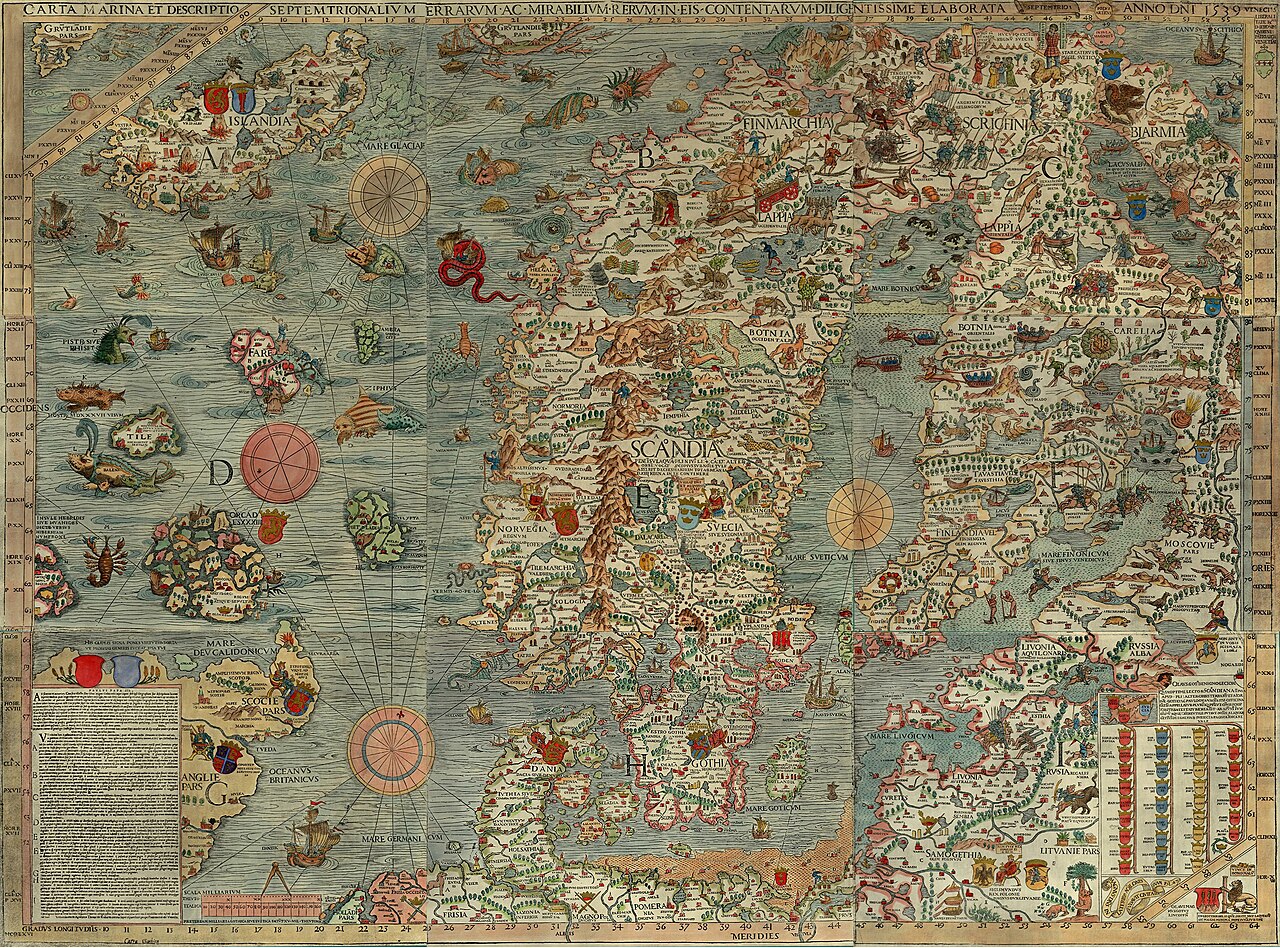
The Norwegian Sea is a marginal sea of the North Atlantic Ocean that lies off the northwestern coast of Norway. It occupies the area between the North Sea to the south and the Greenland Sea to the north, and connects to the wider North Atlantic Ocean on its western side. To the northeast it joins the Barents Sea. Its seaward limits are defined by submarine ridges and island chains including the volcanic island of Jan Mayen and the ridge between Iceland and the Faroe Islands.
Image gallery
10 Images




Geography and physical characteristics
The basin is notable for its depth and its largely non-shelf bottom: much of the sea floor lies beyond the continental shelf and descends to average depths of around two kilometers. A combination of submerged ridges and basins shapes internal circulation and limits water exchange with adjacent basins. The area is sometimes described as a marginal sea because it is partially bounded by islands and submarine topography rather than open ocean on all sides; for a general definition see marginal sea.
- Typical depth: about two kilometres on average, with varied bathymetry across basins and ridges.
- Boundaries: Iceland–Faroe ridge to the southwest; Jan Mayen Ridge to the north.
- Shelf influence: coastal shelves are relatively narrow compared with many seas, while large deep basins dominate the interior.
Oceanography and ecology
The Norwegian Sea is kept largely free of sea ice because warm Atlantic waters are carried northward by the North Atlantic Current and related branches. Those currents strongly influence water temperatures, stratification, and nutrient supply. The mixing of warm saline Atlantic water with colder polar inflows produces productive frontal zones that support rich marine life.
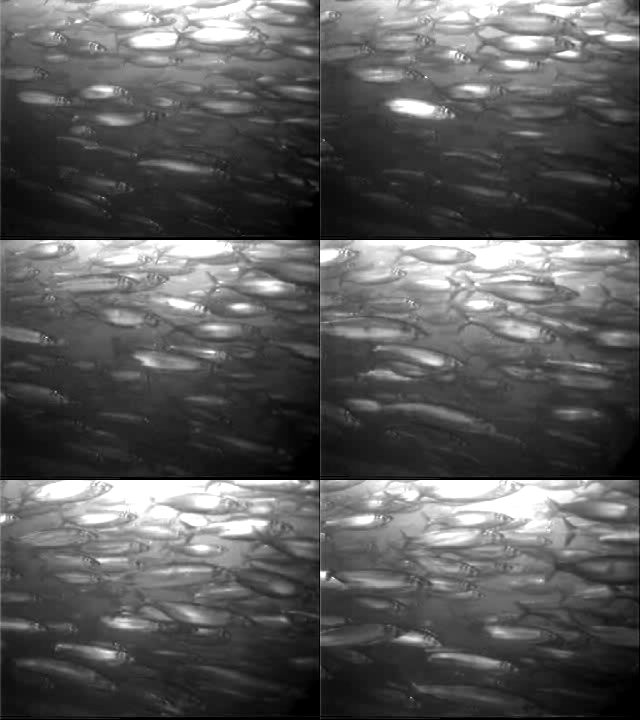
Coastal and shelf areas provide spawning and feeding grounds for commercially important fish species. The coastal margins and fjords are seasonally visited by stocks that migrate from the open North Atlantic to reproduce; these processes are often described collectively as spawning migrations. Typical fauna include a range of pelagic fish, demersal species, cetaceans and seabirds that exploit the high productivity of the region.
Human uses and natural resources
The Norwegian Sea has been the focus of fisheries, shipping routes, and energy exploration. Hydrocarbon prospecting beneath parts of the sea floor has revealed significant deposits and has led to commercial oil and gas production in adjacent basins; these activities are summarized under resource topics such as oil and natural gas.
- Fisheries: cod, haddock, herring and other stocks are central to regional economies.
- Energy: exploration and production on the continental margins, with environmental management and safety concerns.
- Transport and maritime routes: connections between northern Europe and Arctic approaches.
History, scientific research and notable distinctions
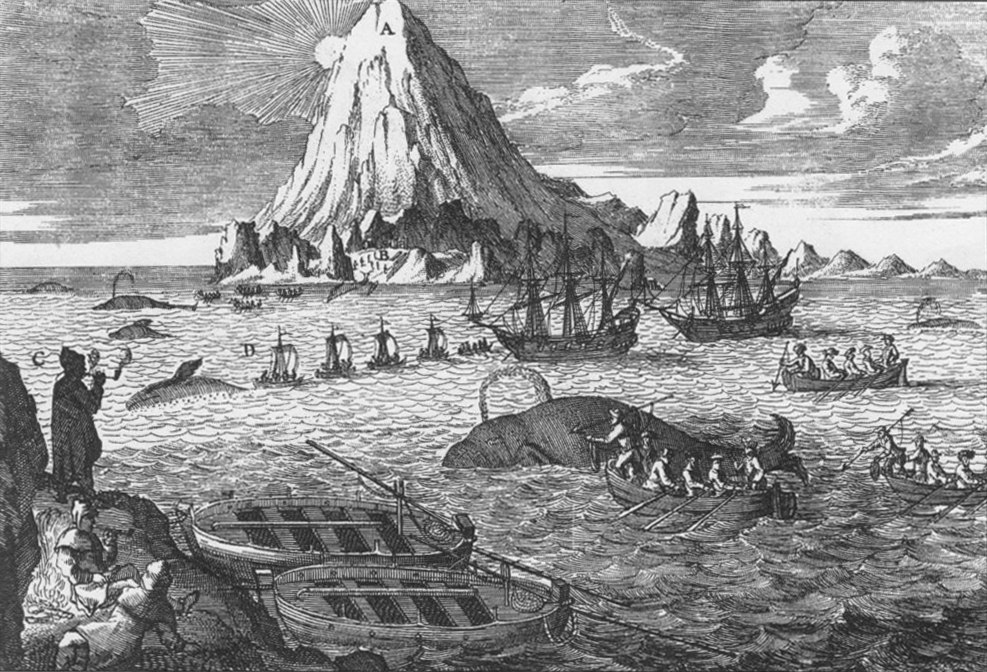
Historically, the Norwegian Sea has been a corridor for seafaring, fisheries and scientific exploration. Oceanographers and marine biologists study it to understand Atlantic–Arctic exchanges, circulation patterns, and ecosystem dynamics. A notable distinction is that, unlike many adjacent high-latitude seas, the Norwegian Sea remains largely free of persistent ice cover thanks to warm Atlantic inflow.
Research continues on its role in climate, carbon cycles, and fisheries sustainability. For summaries of boundaries, definitions and related oceanographic regions see linked topics such as continental shelf and broader regional descriptions like the marginal sea concept. Additional authoritative resources and maps are available through marine agencies and oceanographic institutes; related regional pages include references for the Greenland Sea, Barents Sea and neighboring basins.
For further reading and detailed maps consult specialized maritime atlases and institutional sites where available, including material that covers the geological ridges near Iceland, the Faroe Islands corridor and the volcanic features around Jan Mayen. These resources help explain the interplay of bathymetry, currents, biology and human activity in the Norwegian Sea.
Note: The Norwegian Sea forms an intermediary marine region linking the Atlantic and Arctic systems, and it remains important for climate studies, fisheries and offshore resource management.
Questions and answers
Q: Where is the Norwegian Sea located?
A: The Norwegian Sea is located northwest of Norway, between the North Sea and the Greenland Sea.
Q: What separates the Norwegian Sea from the Atlantic Ocean?
A: The Norwegian Sea is separated from the Atlantic Ocean by a submarine ridge running between Iceland and the Faroe Islands.
Q: What separates the Norwegian Sea from the Greenland Sea?
A: The Jan Mayen Ridge separates the Norwegian Sea from the Greenland Sea.
Q: What is the depth of the Norwegian Sea's bottom?
A: Most of the bottom of the Norwegian Sea is at a depth of about two kilometers on average.
Q: What valuable resources are found under the bottom of the Norwegian Sea?
A: Rich deposits of oil and natural gas are found under the bottom of the Norwegian Sea and are being explored commercially.
Q: What is the climate of the Norwegian Sea?
A: The Norwegian Sea is ice-free throughout the year, thanks to the warm North Atlantic Current that gives stable and high water temperatures.
Q: What is the marine life like in the Norwegian Sea?
A: The coastal zones of the Norwegian Sea are rich in fish that visit from the North Atlantic for spawning.
Related articles
Author
AlegsaOnline.com Norwegian Sea: geography, oceanography, ecology and human uses Leandro Alegsa
URL: https://en.alegsaonline.com/art/71125
Sources
- bse.sci-lib.com : Norwegian Sea
- britannica.com : Norwegian Sea
- books.google.com : Distribution, export and alteration of plankton in the Norwegian Sea Fossiliziable
- books.google.com : Marine Science Frontiers for Europe
- norway.org.uk : Norway.org.uk. Norwegian minke whaling