
Atticus Finch: Character, Role, and Cultural Legacy
Overview of Atticus Finch, the principled lawyer from Harper Lee's To Kill a Mockingbird, his traits, role in the novels and adaptations, influence on law and culture, and critical debates about his legacy.
Atticus Finch is a central figure in 20th-century American literature: a principled attorney and father who appears in Harper Lee's acclaimed To Kill a Mockingbird. Created by novelist Harper Lee, Atticus is explicitly a fictional character set in a small Southern town. Within the story he is portrayed as an upright, reflective man who seeks to model moral courage for his children while practicing law in a racially divided community in Alabama.
Image gallery
1 Image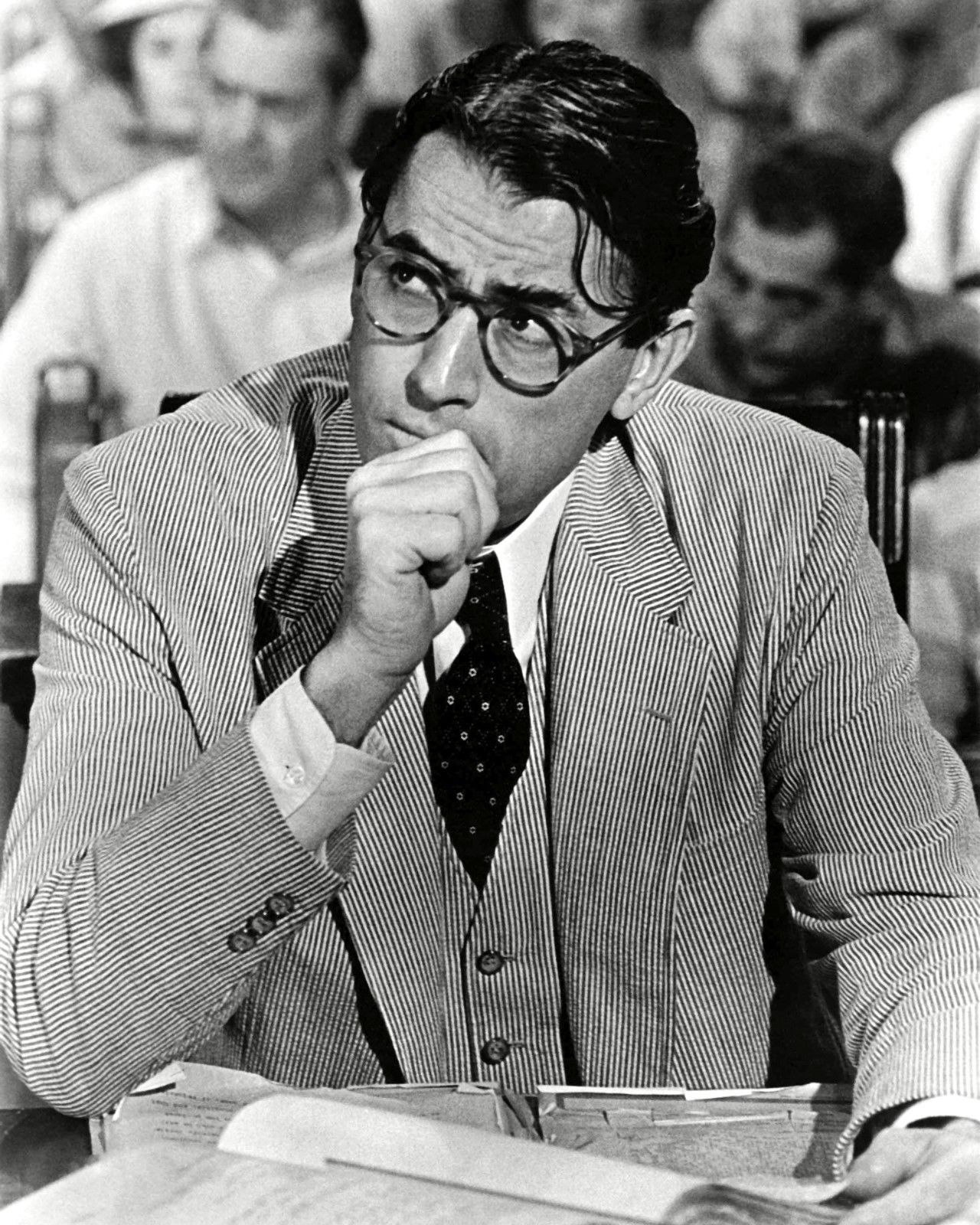
Character and defining traits
Atticus is commonly shown as calm, patient and ethically consistent. He serves as a single father to Jean Louise "Scout" Finch and Jeremy "Jem" Finch and teaches them empathy, honesty and restraint. Professionally he is an attorney who accepts a controversial case defending a Black man accused of assault, demonstrating commitment to justice even when the outcome appears unlikely. Descriptions in the novel emphasize his quiet dignity rather than physical bravado; he refrains from boasting about skills that might encourage aggression.
Role in the novels and adaptations
In the original novel his moral stance frames much of the narrative’s exploration of prejudice, law and childhood. The 1960s film adaptation brought Atticus to a broader audience and reinforced his status as a cultural exemplar. Subsequent works and productions have revisited the character, and later publications associated with the author have prompted renewed debate about the consistency and complexity of his beliefs.
Influence and public reception
Atticus Finch has been celebrated beyond literature: many law students and practicing lawyers point to him as an inspirational model of integrity in the profession. In popular commentary he is sometimes described as a folk hero in legal circles, cited by individuals who say the character influenced their decision to pursue law or informed their professional ideals. The character’s representation of reasoned advocacy and adherence to principle remains widely discussed in educational and civic settings.
Criticism and debate
- Some critics argue Atticus’s approach is limited by the social constraints of his setting and does not amount to active reform against entrenched racism.
- Others highlight tensions introduced by later texts and interpretations that complicate the image of an unambiguous moral hero.
- Scholars and readers continue to debate whether Atticus represents an idealized form of liberal conscience or a figure whose caution reflects broader systemic compromises.
Overall, Atticus Finch functions as both a literary device and a cultural touchstone: he anchors a story about childhood and justice while prompting ongoing conversations about ethics, law and social change. For further reading on the novel’s composition, historical setting and legal themes see resources linked to the author and text via American literary studies and biographical material, and consult collections that discuss moral exemplars in public life. The character’s influence extends into classrooms, courtrooms and popular discussion, where he remains a focal point for teaching about empathy, the responsibilities of counsel and the limits of individual action in the face of social prejudice.
References to Atticus appear across media and critical commentary; readers interested in adaptations, scholarly debate or the role of fictional lawyers in civic education may follow annotated bibliographies and essays that treat his legacy in more depth. For context on his legal practice, local setting and cultural symbolism see works that examine the novel, the author and mid-century Southern society.
Fictional character studies, author biographies and historical overviews of To Kill a Mockingbird remain fruitful starting points for deeper inquiry into why Atticus Finch continues to resonate.
Questions and answers
Q: Who is Atticus Finch?
A: Atticus Finch is a fictional character in Harper Lee's book To Kill a Mockingbird. He is an American lawyer who lives in Alabama and is the father of Jem and Scout Finch.
Q: How is Atticus Finch portrayed in the book?
A: Atticus Finch is portrayed as a good character who is honest, thoughtful, and helps good causes. He tries to teach his children to be kind, fair, and giving, and is an expert at shooting, though he does not want his children to think he is violent.
Q: What is Atticus Finch's impact on the legal profession?
A: Atticus Finch has become something of a folk hero in legal circles and is treated almost as if he were an actual person. He has influenced many people, including Morris Dees and Richard Matsch, who became lawyers because of him.
Q: What criticism has been made of Atticus Finch?
A: Some people criticize Atticus Finch for not using his legal skills to change the racism in his town.
Q: What are the names of Atticus Finch's children?
A: Atticus Finch's children are named Jem and Scout Finch.
Q: How is Atticus Finch described in the book?
A: Atticus Finch is described as a tall, middle-aged man with glasses and hair that is going a little gray.
Q: What qualities does Atticus Finch try to teach his children?
A: Atticus Finch tries to teach his children to be kind, fair, and giving.
Related articles
Author
AlegsaOnline.com Atticus Finch: Character, Role, and Cultural Legacy Leandro Alegsa
URL: https://en.alegsaonline.com/art/7110